
The Importance of Sleep for College Students
Sleep is often the first thing college students sacrifice when life gets busy. Late-night study sessions, early morning classes, part-time jobs, social events, and endless screen time can push sleep to the bottom of the priority list. In the United States, college culture frequently glorifies all-nighters and caffeine-fueled productivity, making it seem normal—even admirable—to function on very little rest.
However, sleep is not a luxury. It is a biological necessity that plays a critical role in academic performance, mental health, physical well-being, and long-term success. For college students navigating one of the most demanding phases of life, understanding the importance of sleep can be the difference between thriving and merely surviving.
This article explores why sleep matters so much for college students, how lack of sleep affects the mind and body, common sleep challenges on U.S. campuses, and practical ways students can improve their sleep without sacrificing their goals.

Why Sleep Matters More Than You Think
Sleep is not just “downtime” for the body. While you sleep, your brain is actively working—processing information, consolidating memories, repairing cells, and regulating essential hormones. For college students who are learning, problem-solving, and adapting constantly, this nightly reset is crucial.
Adults between the ages of 18 and 25 typically need seven to nine hours of sleep per night. Yet many college students in the U.S. average far less, especially during midterms and finals. Chronic sleep deprivation can quietly undermine academic success and overall health, even when students feel like they are managing just fine.
What makes sleep especially important during college is that the brain is still developing well into the mid-20s. Sleep supports this development, particularly in areas related to decision-making, emotional regulation, and impulse control.

Sleep and Academic Performance
One of the strongest reasons college students should prioritize sleep is its direct impact on learning and academic performance. Many students believe staying up late to study improves grades, but research and real-world experience show the opposite.
Sleep plays a key role in memory formation. During sleep, the brain organizes and stores information learned during the day. Without adequate rest, this process is disrupted, making it harder to recall information during exams or apply concepts in class.
Lack of sleep also affects concentration and attention. Students who are sleep-deprived often struggle to stay focused during lectures, retain information from readings, and complete assignments efficiently. This can lead to longer study times with lower productivity, creating a frustrating cycle of exhaustion and stress.
Problem-solving and critical thinking also suffer when sleep is limited. College coursework often requires analysis, creativity, and complex reasoning—skills that are significantly impaired when the brain is tired.
In contrast, students who maintain consistent, healthy sleep schedules tend to learn faster, perform better on exams, and feel more confident academically.

The Connection Between Sleep and Mental Health
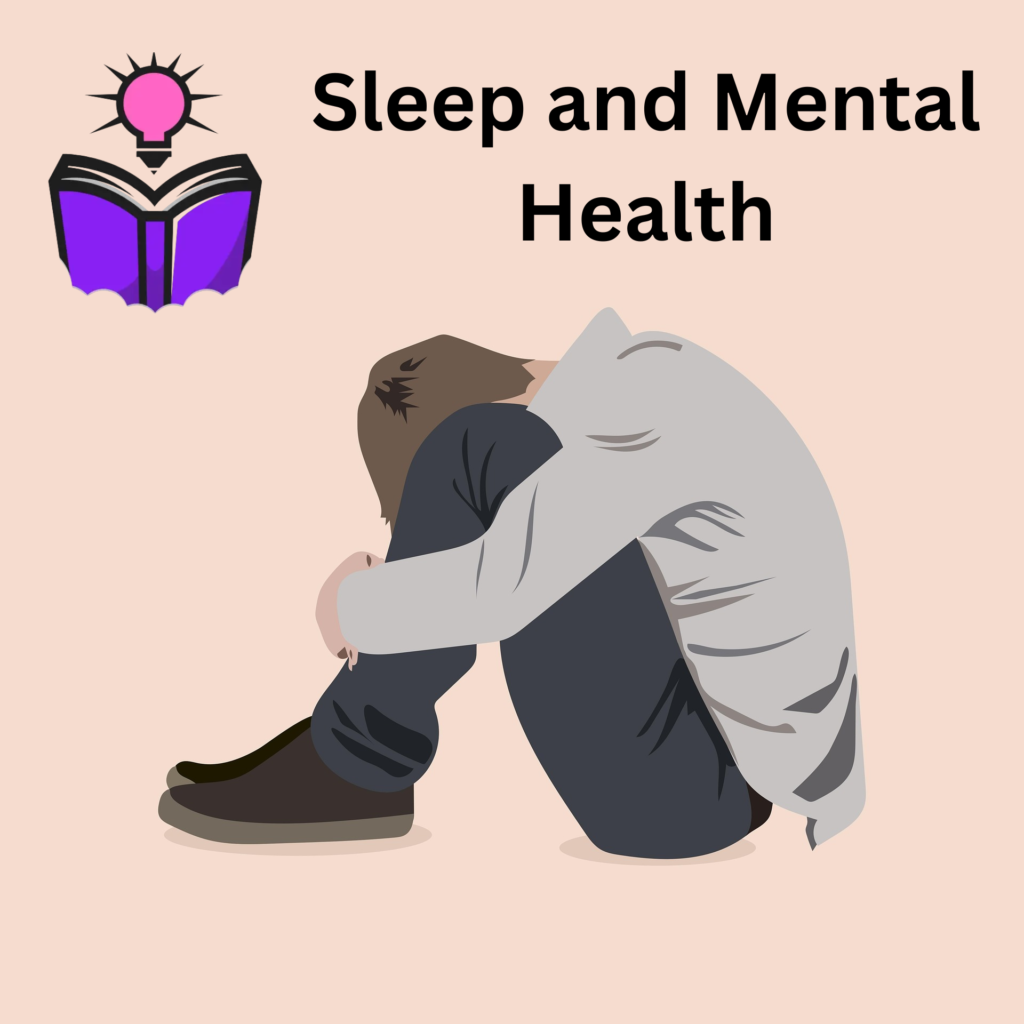
Mental health challenges are increasingly common among college students in the United States, including anxiety, depression, and chronic stress. Sleep and mental health are deeply interconnected, and poor sleep can both contribute to and worsen emotional struggles.
When students don’t get enough sleep, the brain becomes more reactive to stress. Small problems feel overwhelming, emotions feel harder to control, and negative thoughts can spiral more easily. Over time, chronic sleep deprivation increases the risk of anxiety disorders and depressive symptoms.
Sleep also helps regulate mood-related neurotransmitters. Without sufficient rest, students may experience irritability, mood swings, low motivation, and feelings of burnout. These emotional changes can affect relationships, academic engagement, and overall quality of life.
Importantly, improving sleep can often lead to noticeable improvements in mental well-being. Many students report feeling calmer, more optimistic, and emotionally balanced after establishing better sleep habits.
Physical Health Consequences of Poor Sleep
While the mental and academic effects of sleep deprivation are often discussed, the physical health consequences are just as significant. College students may feel young and resilient, but ongoing sleep loss takes a toll on the body.
Sleep is essential for immune function. Students who don’t get enough rest are more likely to get sick, which can lead to missed classes, falling behind academically, and prolonged recovery times.
Metabolism and weight regulation are also affected by sleep. Lack of sleep disrupts hunger hormones, increasing cravings for high-sugar and high-fat foods. Combined with irregular eating habits common in college, this can contribute to unwanted weight gain and low energy levels.
Cardiovascular health, blood pressure regulation, and inflammation are all influenced by sleep quality. While serious conditions may not appear immediately, habits formed during college can impact long-term health well beyond graduation.

Sleep Deprivation and Safety Risks
Sleep deprivation doesn’t just affect grades and health—it can also put students in dangerous situations. Drowsy driving is a serious issue on U.S. campuses, particularly for commuter students or those traveling long distances.
Lack of sleep impairs reaction time and decision-making similarly to alcohol. Students who are exhausted are more likely to be involved in accidents, whether driving, biking, or even walking at night.
Sleep-deprived students are also more prone to injuries during sports, workouts, or everyday activities. Coordination, balance, and awareness decline when the brain is tired, increasing the risk of accidents.
Common Sleep Challenges for College Students
College life presents unique obstacles to healthy sleep, many of which are deeply embedded in campus culture.
Irregular schedules are a major challenge. Class times, work shifts, social events, and study sessions often change daily, making it difficult to maintain consistent sleep and wake times.
Dorm environments can also interfere with sleep. Noise, roommates with different schedules, shared spaces, and limited privacy can make falling and staying asleep difficult.
Technology use is another major factor. Phones, laptops, and streaming services keep students mentally stimulated late into the night. The blue light from screens can interfere with the body’s natural sleep signals, making it harder to wind down.
Stress and academic pressure also play a significant role. Worrying about grades, finances, and future plans can keep students mentally alert long after they want to sleep.
The Myth of “Catching Up” on Sleep
Many college students believe they can make up for lost sleep by sleeping in on weekends. While extra rest can help reduce short-term fatigue, it does not fully reverse the effects of chronic sleep deprivation.
Irregular sleep schedules can actually disrupt the body’s internal clock, making it harder to fall asleep during the week. This pattern, often called “social jet lag,” leaves students feeling groggy and unfocused even after long nights of weekend sleep.
Consistent sleep is far more beneficial than occasional long rest periods. Going to bed and waking up at similar times—even on weekends—helps regulate energy levels and improve sleep quality over time.
How Much Sleep Do College Students Really Need?
Most college students need between seven and nine hours of sleep each night to function optimally. Some may need slightly more or less, but consistently getting fewer than six hours can lead to noticeable declines in performance and well-being.
It’s not just about quantity, but also quality. Deep, uninterrupted sleep is essential for physical and mental restoration. Students who spend enough time in bed but experience frequent awakenings or poor sleep quality may still feel exhausted.
Listening to the body is important. Persistent daytime sleepiness, difficulty concentrating, and reliance on caffeine are often signs that sleep needs are not being met.
Practical Ways College Students Can Improve Sleep
Improving sleep does not require drastic lifestyle changes. Small, consistent habits can make a meaningful difference.
Establishing a regular sleep schedule is one of the most effective strategies. Going to bed and waking up at similar times each day helps train the body to fall asleep more easily.
Creating a bedtime routine can signal to the brain that it’s time to wind down. This might include reading, stretching, or listening to calming music instead of scrolling on a phone.
Limiting caffeine, especially in the afternoon and evening, can greatly improve sleep quality. While coffee and energy drinks are popular on campus, their effects can last much longer than students realize.
Optimizing the sleep environment also helps. Keeping the room cool, dark, and quiet can improve both the ability to fall asleep and stay asleep. For dorm living, simple tools like eye masks or white noise can be surprisingly effective.
Managing stress through time management, exercise, and relaxation techniques can reduce nighttime anxiety. When students feel more in control of their schedules, sleep often improves naturally.
Balancing Sleep with College Life
One of the biggest concerns students have is how to balance sleep with academic and social demands. The reality is that sleep does not compete with success—it supports it.
Students who prioritize sleep often find they study more efficiently, need less time to complete assignments, and perform better on exams. This can actually free up time for social activities and self-care.
Learning to say no occasionally, planning ahead for busy weeks, and recognizing limits are important skills that extend beyond college. Sleep is not a sign of laziness; it is a foundation for productivity and resilience.
Building Lifelong Sleep Habits
College is a formative time when many lifelong habits are established. Sleep patterns developed during these years often carry into adulthood, influencing career performance, relationships, and long-term health.
By learning to value and protect sleep now, students set themselves up for sustainable success. Understanding personal sleep needs, recognizing the signs of burnout, and respecting the body’s limits are skills that will continue to pay off long after graduation.
Final Thoughts
Sleep is one of the most powerful tools college students have, yet it is often overlooked or undervalued. In the fast-paced environment of U.S. college campuses, it’s easy to believe that sacrificing sleep is necessary to succeed. In reality, the opposite is true.
Adequate sleep supports academic achievement, mental health, physical well-being, and personal safety. It enhances learning, stabilizes mood, and builds resilience against stress. Rather than viewing sleep as wasted time, college students should see it as an essential investment in their education and future.
By making sleep a priority, students don’t just survive college—they position themselves to thrive.