
Top 5 Global Education Trends to Watch in 2026
Education is evolving faster than ever before. Rapid technological innovation, changing workforce demands, and the growing need for flexible learning are transforming how people around the world gain knowledge and skills. In the United States, educators, policymakers, and learners are paying close attention to global education trends because these shifts influence the future of schools, universities, and career development.
As we move through 2025, several powerful trends are reshaping the education landscape. From artificial intelligence in classrooms to the rise of lifelong learning, these developments are redefining what education looks like and how students prepare for the modern workforce.
This article explores the top five global education trends to watch in 2025, explaining how they work, why they matter, and what they mean for students, teachers, and institutions across the United States.

1. Artificial Intelligence Is Transforming the Classroom
Artificial intelligence is no longer just a concept discussed in technology conferences. It is becoming a practical tool in education systems around the world, and its impact continues to grow in 2025.
AI-powered platforms are helping teachers personalize learning for every student. Instead of a one-size-fits-all lesson plan, intelligent software analyzes how each student learns, identifies gaps in understanding, and adjusts content accordingly. This allows students to progress at their own pace while teachers focus more on mentorship and guidance.
In the United States, schools and universities are experimenting with AI-based tutoring systems, automated grading tools, and intelligent course recommendations. These systems can quickly evaluate assignments, provide feedback, and even suggest additional resources for students who need help with specific concepts.
Another major advantage of AI is accessibility. Students with disabilities benefit from features such as speech-to-text tools, automated captions, and adaptive learning platforms that accommodate different learning needs.
However, the rise of AI also brings challenges. Educators must balance the use of technology with human interaction. While AI can support teaching, it cannot replace the creativity, empathy, and mentorship that teachers provide.
As AI continues to develop, the focus in 2025 is shifting toward responsible implementation. Schools are investing in training educators to use AI tools effectively while ensuring that ethical guidelines and data privacy protections remain in place.
The integration of artificial intelligence represents one of the most significant education trends globally, and its influence will likely expand dramatically over the next decade.

2. Hybrid and Flexible Learning Are Becoming the Norm
One of the most lasting impacts of the past few years on education has been the rise of hybrid learning models. In 2025, flexibility in education is no longer optional—it is expected.
Hybrid learning combines in-person instruction with online education, allowing students to learn both in classrooms and through digital platforms. This approach gives students more control over how and when they study.
Universities in the United States are expanding hybrid programs to attract a wider range of learners. Many adult students, working professionals, and parents are returning to education because flexible learning options make it easier to balance academic and personal responsibilities.
At the K–12 level, hybrid models are also evolving. Schools are using digital learning tools to supplement traditional classroom instruction. Students may attend classes in person but complete assignments, group projects, and discussions online.
This model supports personalized learning while also helping schools maintain continuity during unexpected disruptions.
Hybrid learning also supports global collaboration. Students can interact with peers, instructors, and experts from different parts of the world, exposing them to diverse perspectives and experiences.
For institutions, the challenge is maintaining engagement and quality in both physical and digital environments. Educators are developing new teaching strategies to keep students motivated and connected regardless of where learning takes place.
In 2025, flexibility is becoming one of the defining characteristics of modern education.

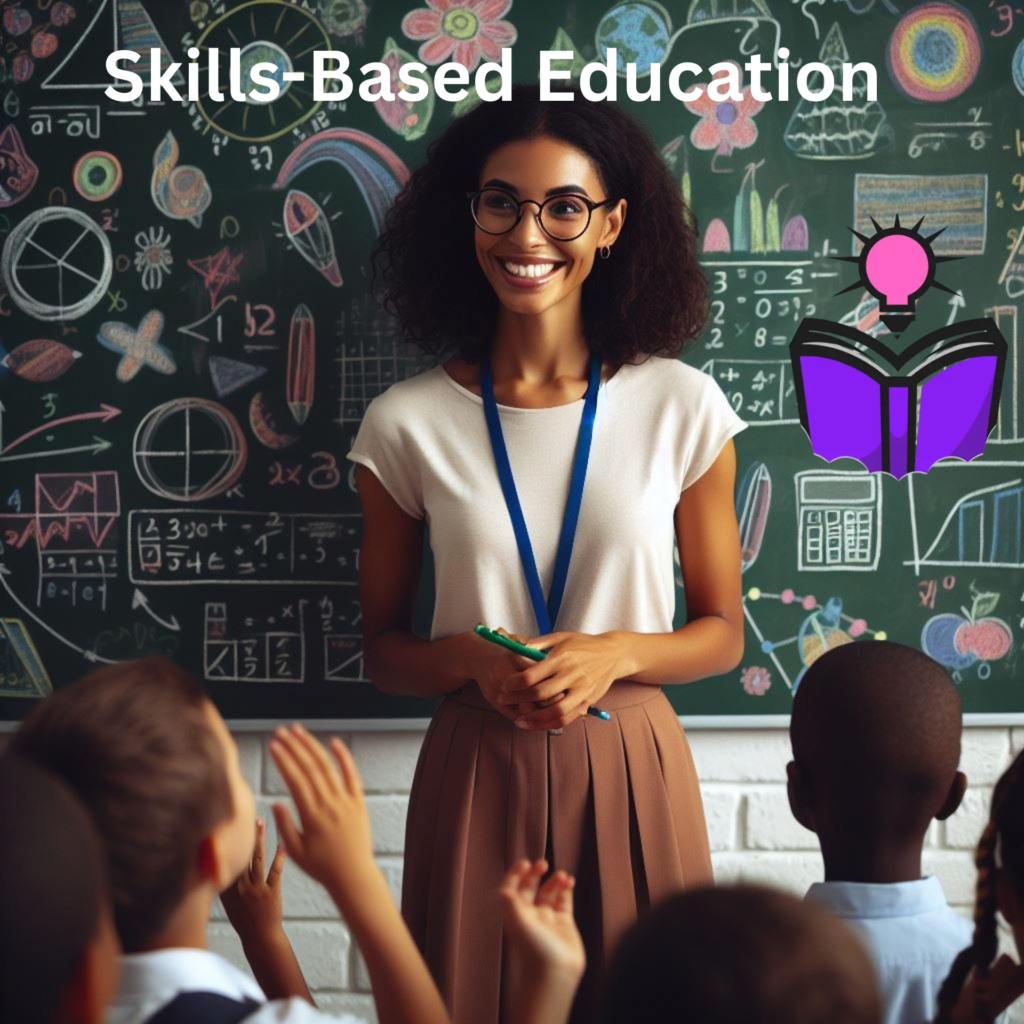
3. Skills-Based Education Is Replacing Traditional Degree Focus
Another major global education trend is the shift toward skills-based learning. Employers are increasingly prioritizing practical skills over traditional degree credentials alone.
In the United States, companies are looking for candidates who can demonstrate real-world abilities such as critical thinking, data analysis, communication, and digital literacy. As a result, educational institutions are redesigning programs to focus more on skill development.
Short-term certifications, micro-credentials, and specialized training programs are becoming more popular. These programs allow students to quickly gain relevant skills and enter the workforce without committing to long-term degree programs.
Universities are also adapting by integrating experiential learning opportunities into their curricula. Internships, project-based learning, and industry partnerships are helping students build practical experience before graduating.
Technology plays a key role in this trend. Online platforms offer targeted courses that teach specific skills needed in high-demand fields such as cybersecurity, artificial intelligence, healthcare technology, and renewable energy.
For students, this shift means education is becoming more career-focused. Rather than following a rigid academic path, learners can create personalized learning journeys that match their career goals.
Skills-based education also supports lifelong learning. Professionals can continuously update their knowledge as industries evolve, ensuring they remain competitive in the job market.
This trend reflects a broader transformation in how society defines educational success.
4. Global Collaboration and Cross-Cultural Learning Are Expanding
Education is becoming increasingly global. In 2025, institutions are building stronger international partnerships that allow students to learn beyond the boundaries of their local communities.
Cross-cultural learning opportunities are growing through exchange programs, virtual classrooms, and international research collaborations. Students in the United States are participating in projects with peers from Europe, Asia, Africa, and Latin America, gaining exposure to diverse perspectives.
Global collaboration prepares students for careers in an interconnected world. Businesses today operate across borders, and employees often work with international teams. Educational experiences that encourage cultural awareness and communication skills help students succeed in this environment.
Digital technology has accelerated this trend. Virtual exchange programs allow students to collaborate on assignments, attend international lectures, and participate in global discussions without traveling abroad.
Universities are also introducing more globally focused curricula. Courses now explore international issues such as climate change, global health, economic development, and technological innovation.
For students, these experiences foster adaptability, empathy, and problem-solving skills. Understanding how different societies approach challenges can inspire new ideas and solutions.
As global connections strengthen, education is evolving into a shared international experience rather than a purely local one.
5. Lifelong Learning Is Becoming Essential
Perhaps the most transformative education trend in 2025 is the growing importance of lifelong learning.
In previous generations, education was often viewed as something completed early in life. Students would attend school, earn a degree, and then build a career using that knowledge for decades.
Today, rapid technological change means skills can become outdated quickly. Professionals must continually update their knowledge to stay relevant in their fields.
As a result, learning is no longer confined to childhood or early adulthood. Instead, it has become a continuous process that extends throughout a person’s career.
Universities, online platforms, and professional organizations are expanding programs designed for adult learners. These include short courses, professional certifications, and executive education programs that allow individuals to learn new skills without leaving their jobs.
Employers are also investing more in workforce education. Many companies offer internal training programs, tuition reimbursement, and partnerships with educational institutions to help employees develop new competencies.
This shift benefits both individuals and organizations. Workers remain adaptable in a changing economy, while companies gain access to a more skilled and innovative workforce.
In the United States, lifelong learning is increasingly viewed as a critical component of economic growth and career resilience.

The Future of Education Beyond 2026
While these five trends are already shaping education in 2026, they also point toward a broader transformation that will continue in the coming years.
Education systems are moving away from rigid structures and toward more flexible, technology-driven models that prioritize student needs. Personalized learning, global connectivity, and practical skill development are becoming central to how institutions design their programs.
Teachers are evolving into facilitators and mentors who guide students through complex learning environments supported by digital tools. Meanwhile, students are gaining greater control over their educational journeys.
Another important shift is the integration of technology not just as a tool, but as a core part of learning itself. Digital literacy is becoming as essential as reading and writing.
Policy makers in the United States are also paying closer attention to global education trends. Investments in educational technology, workforce training, and digital infrastructure are increasing as leaders recognize the importance of preparing students for the future economy.
Why These Trends Matter for Students and Educators
Understanding global education trends helps students, parents, and educators make informed decisions about learning pathways and career development.
For students, these trends highlight the importance of adaptability. The ability to learn new skills, collaborate with diverse teams, and navigate digital environments will be essential for success in the modern workforce.
Educators benefit by staying ahead of changes that influence curriculum design, teaching methods, and student engagement. By embracing innovative approaches, teachers can create more effective and meaningful learning experiences.
Institutions also gain a competitive advantage by aligning programs with global developments. Schools and universities that adapt quickly to emerging trends are better positioned to attract students and build strong partnerships with industries.
Ultimately, education is no longer just about delivering information. It is about preparing individuals to thrive in a rapidly changing world.
Final Thoughts
The global education landscape is undergoing a profound transformation in 2025. Artificial intelligence, hybrid learning, skills-based education, global collaboration, and lifelong learning are reshaping how knowledge is delivered and how students prepare for the future.
For the United States, these trends offer exciting opportunities to modernize education systems and expand access to learning for people of all ages. By embracing innovation and focusing on practical skills, educators and institutions can create learning environments that empower students to succeed in an increasingly complex world.
As these trends continue to evolve, one thing is clear: education will become more flexible, more personalized, and more connected than ever before.
The ability to adapt, learn continuously, and engage with global perspectives will define the next generation of learners—and the future of education itself.