
Top 5 Techniques to Maximize Your Exam Scores: The Secrets Successful Students Don’t Tell You
Exams can feel like a high-stakes puzzle: the clock is ticking, the pressure is building, and every point counts. But what if the difference between an average score and an outstanding one isn’t natural talent—but a set of powerful techniques that top-performing students quietly use?
Whether you’re preparing for school tests, standardized exams, or competitive assessments, mastering a few proven strategies can dramatically boost your results. Below, you’ll discover five science-backed techniques that not only sharpen your skills but also give you an edge your classmates won’t see coming.
Let’s unlock these exam-boosting secrets—one by one.

1. The Active Recall Method: The Memory Technique Your Brain Loves
Most students reread notes or highlight textbooks—habits that feel productive but do little to improve memory. High achievers use something much more powerful: active recall.
What is Active Recall?
This technique forces your brain to retrieve information without looking at the material, strengthening memory pathways.
How to Use It:
- Quiz yourself using flashcards
- Close your book and explain the topic aloud
- Write down everything you remember, then check for accuracy
- Test yourself with past papers
Why It Works:
Your brain becomes trained to pull information quickly under pressure—exactly what you need in an exam setting.
Suspense moment:
The twist? Many students skip this technique because it feels hard. But that “difficulty” is exactly what makes it so effective.
2. The 30-10 Study Cycle: Outsmart Your Brain’s Focus Limits
Imagine studying with total concentration—not drifting off, not scrolling your phone, not staring blankly at notes. That’s what the 30-10 Study Cycle delivers.
How It Works:
- Study with intense focus for 30 minutes
- Take a 10-minute break
During the break, stretch, drink water, or breathe deeply—avoid screens.
Why It’s a Game-Changer:
This technique prevents burnout, keeps your mind refreshed, and gives your brain just enough rest to stay sharp. You’ll retain more in less time.
Suspense moment:
Most students believe marathon studying is the key. But those long hours often do more harm than good. The 30-10 cycle flips the script completely.
3. Past Paper Mastery: The Closest Thing to Seeing the Exam Ahead of Time
There’s a secret that top scorers swear by: past exam papers. They reveal patterns, repeated question styles, and commonly tested areas.
How to Apply It:
- Start with open-book attempts
- Then move to timed, closed-book practice
- Identify question types you consistently miss
- Track your improvement
Why It Works:
Past papers help you understand exam structure, marking schemes, and time pressure—exactly what catches unprepared students off guard.
Suspense moment:
Once you solve your first few papers, you’ll notice something shocking—exams are more predictable than they appear.
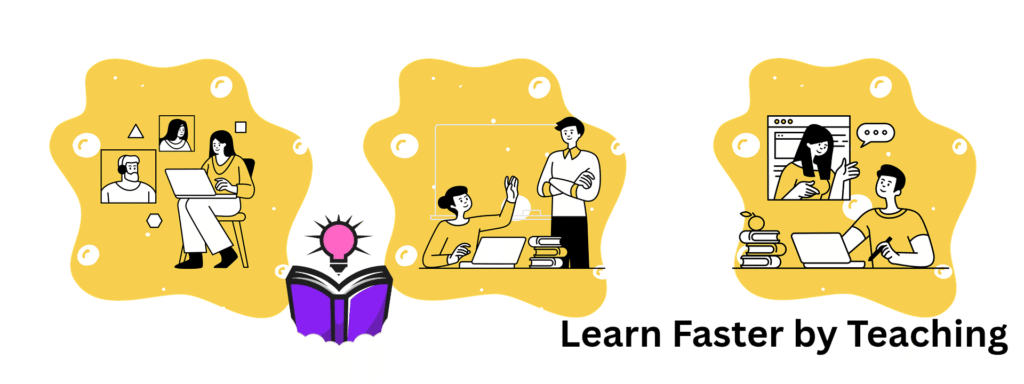
4. The Feynman Technique: Learn Faster by Teaching
If you can’t explain a concept simply, you don’t truly understand it. The Feynman Technique turns complicated lessons into simple, memorable ideas.
Steps:
- Choose a topic
- Pretend you’re teaching it to a younger student
- Identify gaps where your explanation falls apart
- Relearn and simplify
Benefits:
- Strengthens deep understanding
- Improves clarity of thought
- Helps you recall information faster in exams
Suspense moment:
You’ll be stunned by how many “facts you thought you knew” suddenly reveal hidden weaknesses—until this technique fixes them.
5. Strategic Rest and Sleep: The Silent Score Booster
Here’s the secret nobody wants to believe: your brain learns while you sleep. Skipping rest destroys memory, focus, and mental performance.
Why Sleep Matters:
- Consolidates long-term memory
- Enhances problem-solving skills
- Boosts energy and concentration
- Reduces exam anxiety
How to Use Rest Strategically:
- Get 7–9 hours of sleep daily
- Avoid screens 45 minutes before bed
- Review key concepts before sleeping for better retention
Suspense moment:
You might think staying up late gives you more studying time, but the truth is—your brain works against you the moment sleep is sacrificed.
Conclusion: Your Top Scores Are Within Reach
Maximizing your exam scores isn’t about luck or natural intelligence. It’s about using the right techniques—the same ones top students quietly rely on.
By mastering:
- Active Recall
- 30-10 Study Cycles
- Past Paper Practice
- The Feynman Technique
- Strategic Rest
…you create a powerful system that boosts memory, sharpens focus, and strengthens confidence.
The real question now is:
Will you use these strategies and rise to the top—or let others get ahead while you study the old way?
The choice is yours—and your best score yet is closer than you think.