
How to Learn Better with Less Effort
What if the problem isn’t your intelligence — but the way you’ve been learning all along?
Most people believe learning requires long hours, intense focus, and constant repetition. Yet the highest performers — top students, fast learners, and industry experts — don’t work harder. They learn smarter.
In this guide, you’ll discover how to learn better with less effort using science-backed strategies that reduce frustration, save time, and dramatically improve retention. And the best part? These techniques are easier than you think.
Why Traditional Learning Feels So Hard
If learning often feels exhausting, you’re not alone. The truth is, most people were taught ineffective methods like:
- Rereading notes repeatedly
- Highlighting entire pages
- Cramming before exams
- Passive listening
These approaches create the illusion of learning — but very little sticks.
The secret to effortless learning lies in how your brain actually works.
The Science of Learning Better (Not Harder)
Your brain is designed to conserve energy. When learning feels difficult, your brain resists. When learning feels engaging and meaningful, your brain absorbs information naturally.
Efficient learning focuses on:
- Active engagement
- Strategic repetition
- Meaningful connections
Once you align with these principles, learning becomes faster and less stressful.

1. Focus on Understanding, Not Memorization
Here’s a suspenseful truth:
Memorization fades. Understanding lasts.
Instead of asking, “How do I remember this?”, ask:
- Why does this work?
- How is this connected to what I already know?
- Can I explain this in simple words?
Teaching a concept (even to yourself) forces clarity — and clarity eliminates extra effort.
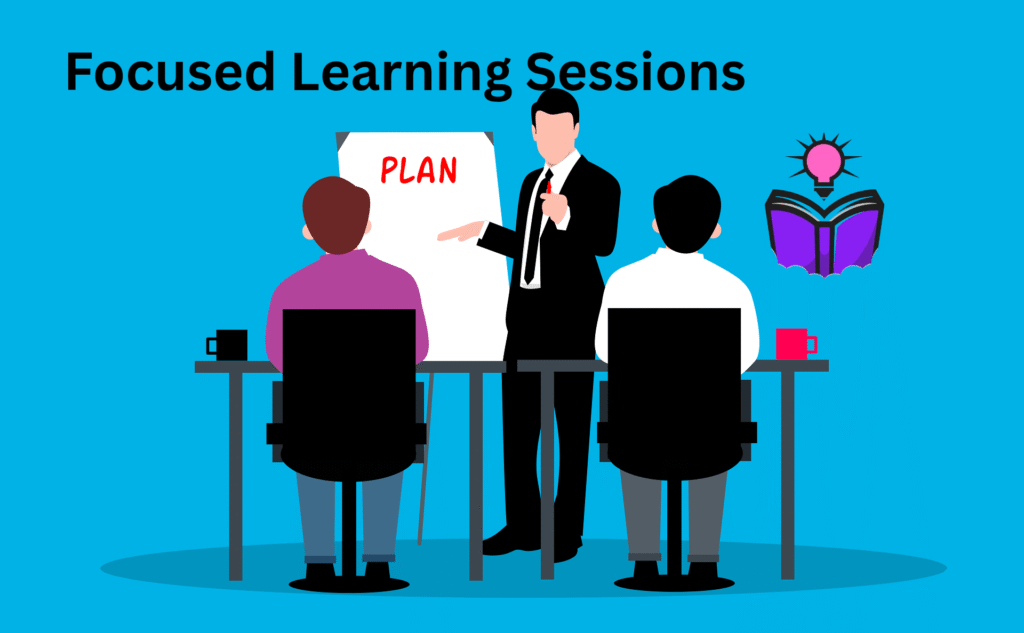
2. Use Short, Focused Learning Sessions
Long study sessions feel productive, but they drain mental energy quickly.
The brain learns best in short bursts of focused attention:
- 25–30 minutes of learning
- 5-minute breaks
- Repeat 2–4 times
This method prevents burnout and improves long-term retention.
3. Learn Actively — Your Brain Demands It
Passive learning is easy — and ineffective.
Active learning requires you to:
- Ask questions
- Solve problems
- Summarize information
- Apply what you learn immediately
When your brain struggles just a little, learning becomes deeper — without extra effort.
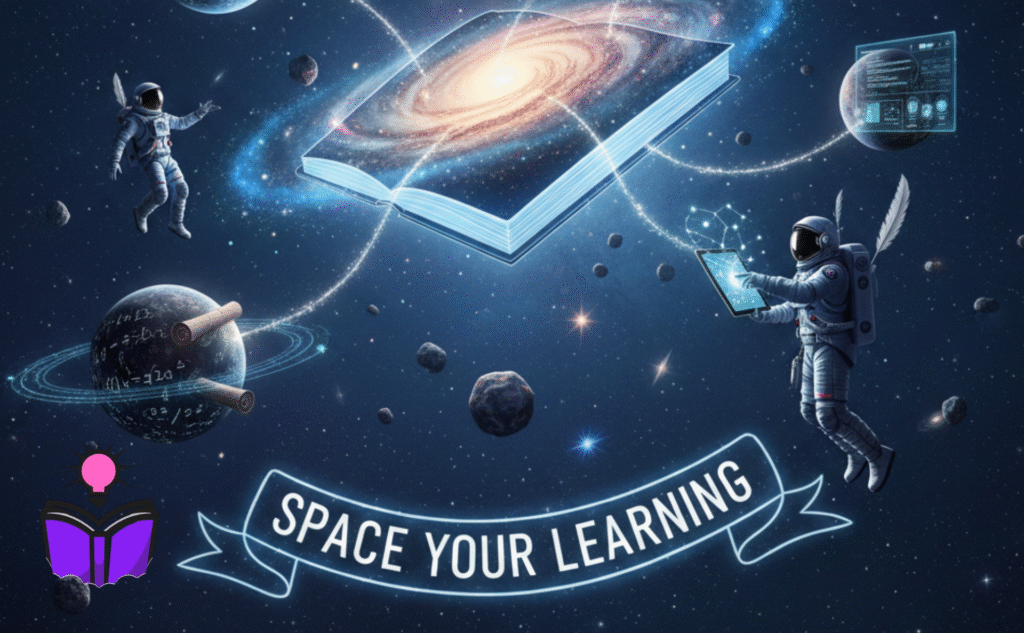
4. Space Your Learning (The Hidden Advantage)
Cramming feels intense, but it’s a trap.
Spaced repetition — reviewing material over time — strengthens memory naturally. Each review requires less effort than the last.
Think of it like strengthening a muscle:
- Small, repeated challenges
- Better results
- Less strain
This is how experts remember more while studying less.
5. Learn When Your Energy Is Highest
Learning isn’t about time — it’s about energy.
Identify when you’re most alert:
- Early morning
- Late afternoon
- Evening
Schedule your most demanding learning tasks during these windows. When energy is high, learning feels effortless.
6. Use Multiple Senses to Learn Faster
Your brain loves variety.
Combine:
- Reading
- Listening
- Writing
- Visuals
For example, read a concept, watch a short video, then explain it aloud. This multi-sensory approach strengthens neural connections and reduces the need for repetition.
7. Apply Before You Forget
Here’s the suspenseful mistake most learners make:
They wait too long to apply what they’ve learned.
Application locks information into memory. Even small actions matter:
- Practice problems
- Mini projects
- Real-life examples
The sooner you apply, the less effort you’ll need later.
8. Remove Mental Clutter Before Learning
A distracted mind learns slowly.
Before starting:
- Clear your workspace
- Silence notifications
- Set one clear goal
Less distraction equals less mental effort — and better focus.
The Counterintuitive Truth About Effortless Learning
Learning feels hard when your methods fight your brain.
When your methods work with your brain:
- Learning speeds up
- Stress decreases
- Confidence grows
Effortless learning isn’t about laziness. It’s about efficiency.
Final Thoughts: Learn Smarter Starting Today
You don’t need more motivation, more hours, or more pressure.
You need better strategies.
Once you stop forcing learning and start designing it, progress becomes almost automatic.
And the real question isn’t:
Can you learn better with less effort?
It’s:
Why struggle when you don’t have to?