
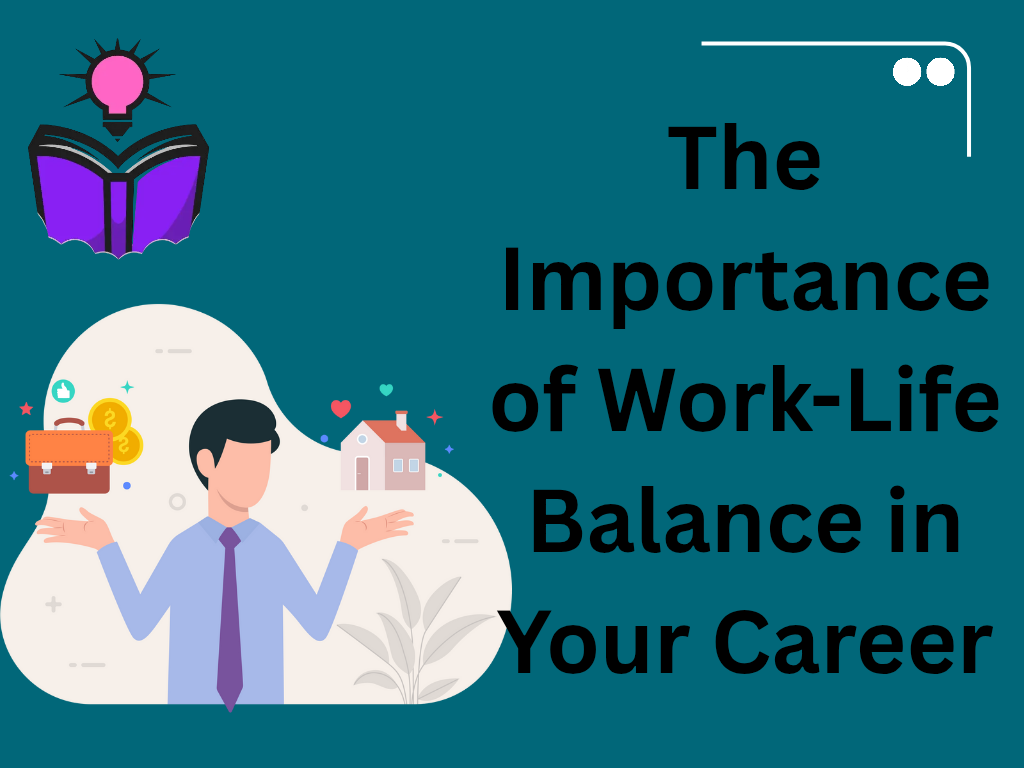
The Importance of Work-Life Balance in Your Career
In today’s fast-paced, hyper-connected world, the concept of work-life balance has become more than just a trendy buzzword. For professionals across the United States, it is a defining factor in career satisfaction, long-term success, and overall well-being. From entry-level employees to senior executives, Americans are increasingly recognizing that building a successful career does not have to come at the expense of personal health, relationships, and happiness.
Work-life balance is not about splitting your day perfectly between work and home. It’s about creating a sustainable rhythm that allows you to thrive professionally while also enjoying your personal life. When approached intentionally, work-life balance can boost productivity, strengthen mental health, and enhance career growth. In contrast, neglecting it can lead to burnout, disengagement, and long-term consequences for both career and health.
This article explores why work-life balance is essential for your career, how it impacts your professional trajectory, and practical ways to achieve it in the modern American workplace.
What Is Work-Life Balance?
Work-life balance refers to the ability to effectively manage professional responsibilities and personal commitments without feeling overwhelmed by either. It means having the flexibility and control to meet work demands while still making time for family, friends, hobbies, rest, and self-care.
In the United States, where work culture often emphasizes long hours and constant availability, achieving balance can feel challenging. Many professionals pride themselves on being busy, equating long workweeks with dedication and ambition. However, research and experience consistently show that overworking does not necessarily translate into higher productivity or better performance.
True work-life balance is about quality, not just time. It’s about being fully present at work during working hours and fully present in your personal life afterward. When you create clear boundaries and prioritize your well-being, you position yourself for long-term career success.
Why Work-Life Balance Matters for Career Success
Work-life balance is not a luxury; it’s a career strategy. Professionals who manage their time and energy effectively tend to perform better, think more creatively, and sustain high performance over the long term.
First, balance improves productivity. When you’re well-rested and mentally refreshed, you can focus more clearly, make better decisions, and complete tasks more efficiently. Working 60 or 70 hours a week may seem impressive, but fatigue often leads to mistakes, reduced creativity, and slower progress. In contrast, someone who works a reasonable schedule with proper rest often accomplishes more in less time.
Second, work-life balance supports mental clarity and problem-solving. Stepping away from work allows your brain to reset. Many professionals report that their best ideas come during a walk, a workout, or time spent with family. Downtime fosters creativity and innovation, both of which are highly valued in competitive industries across the United States.
Third, maintaining balance enhances your professional reputation. Employees who manage their time effectively and avoid burnout are more consistent and reliable. Leaders often notice individuals who deliver strong results without appearing constantly overwhelmed. This steadiness can position you for promotions and leadership opportunities.

The Cost of Ignoring Work-Life Balance
While the benefits of work-life balance are significant, the consequences of neglecting it are equally powerful. Burnout has become increasingly common in the American workforce, affecting professionals in industries ranging from healthcare and technology to finance and education.
Burnout is characterized by chronic stress, emotional exhaustion, and reduced motivation. It can lead to decreased job performance, disengagement, and even health problems such as anxiety, depression, and heart disease. When employees push themselves too hard for too long, their bodies and minds eventually push back.
Ignoring work-life balance can also strain personal relationships. Long work hours may limit time with spouses, children, and friends. Over time, this can create tension and isolation. Strong relationships are a critical source of emotional support, especially during challenging career phases. Without them, stress can feel amplified.
Financially, burnout and poor health can also impact your career. Medical issues, absenteeism, or sudden job changes due to exhaustion can disrupt income stability. In extreme cases, professionals may leave their careers entirely because they can no longer manage the stress.
In short, sacrificing balance for short-term gains can jeopardize long-term career growth.

The American Workplace and Changing Expectations
The conversation around work-life balance in the United States has evolved significantly in recent years. Remote work, hybrid models, and flexible scheduling have reshaped how Americans view their careers.
The COVID-19 pandemic accelerated this shift, forcing companies and employees to rethink traditional office norms. Many workers discovered that flexible arrangements allowed them to be more productive while also spending more time with family. As a result, expectations changed. Today, job seekers often prioritize flexibility, mental health support, and company culture when evaluating employment opportunities.
Employers are also recognizing that work-life balance contributes to employee retention and engagement. Companies that offer flexible hours, remote work options, paid time off, and wellness programs often attract top talent. In competitive job markets across major U.S. cities, organizations that ignore these trends risk losing skilled professionals to more adaptable employers.
This shift reflects a broader cultural realization: success is not defined solely by job title or salary. It also includes quality of life.
Work-Life Balance and Mental Health
Mental health has become a central topic in American workplaces. Stress, anxiety, and depression affect millions of working adults each year. Maintaining work-life balance is one of the most effective ways to protect your mental well-being.
When work dominates your schedule, it leaves little room for activities that restore emotional energy. Exercise, hobbies, social interaction, and relaxation all play vital roles in reducing stress. Without them, chronic stress can build up, affecting mood and cognitive function.
Work-life balance allows you to step away from job-related pressures and recharge. It creates space for self-care practices such as regular sleep, healthy eating, and physical activity. These habits strengthen resilience, making it easier to handle workplace challenges.
Employers increasingly recognize the connection between mental health and performance. Many organizations now provide mental health resources, employee assistance programs, and flexible time off. Taking advantage of these benefits is not a sign of weakness; it’s a strategic investment in your long-term career sustainability.
Physical Health and Career Longevity
Your physical health is directly connected to your career performance. Long hours, sedentary work, and high stress levels can negatively affect the body. Poor posture, lack of exercise, and insufficient sleep can lead to chronic pain, fatigue, and weakened immune function.
Work-life balance encourages healthier habits. When you make time for regular exercise, balanced meals, and sufficient sleep, you improve your energy levels and concentration. This not only enhances daily productivity but also reduces the risk of long-term health problems.
Career longevity depends on physical stamina. Professionals who prioritize health are more likely to sustain high performance throughout decades of work. In contrast, those who neglect their health may face early burnout or medical issues that limit career advancement.
By viewing work-life balance as part of your professional strategy, you protect both your current performance and your future opportunities.

How Work-Life Balance Enhances Professional Growth
Many professionals fear that prioritizing work-life balance might slow their career advancement. In reality, the opposite is often true.
When you manage your time effectively, you become more intentional about your work. Instead of staying late out of habit, you focus on high-impact tasks. You learn to delegate, automate, and streamline processes. These skills are essential for leadership roles.
Work-life balance also encourages continuous learning. When you’re not constantly overwhelmed, you have the energy to pursue professional development, certifications, or networking opportunities. Growth requires mental space, and balance provides that space.
Additionally, balanced professionals are better leaders. They model healthy boundaries for their teams and foster supportive work environments. In the United States, where employee engagement is a major business concern, leaders who promote balance often build stronger, more loyal teams.

Practical Strategies to Achieve Work-Life Balance
Achieving work-life balance requires intentional action. It doesn’t happen automatically, especially in demanding careers. However, small, consistent changes can make a significant difference.
One of the most important steps is setting clear boundaries. Define your work hours and communicate them when possible. Avoid checking emails late at night unless absolutely necessary. Creating a defined end to your workday helps your mind transition into personal time.
Time management is another essential skill. Prioritize tasks based on importance and deadlines. Break large projects into manageable steps and avoid multitasking, which can reduce efficiency. By working smarter, you can accomplish more within regular hours.
Learning to say no is equally important. Overcommitting leads to stress and diluted performance. Evaluate requests carefully and consider whether they align with your goals and capacity. Respectfully declining additional responsibilities when your plate is full demonstrates self-awareness and professionalism.
Using your paid time off is another critical component of balance. Many American employees leave vacation days unused each year. Taking time away from work allows you to rest, travel, and reconnect with loved ones. Upon returning, you’re often more energized and focused.
Finally, leverage technology wisely. While smartphones and laptops enable remote work, they can also blur boundaries. Turning off nonessential notifications and creating tech-free periods can protect your personal time.

The Role of Employers in Supporting Balance
While individual responsibility is crucial, employers also play a significant role in promoting work-life balance. Companies that prioritize employee well-being often see higher morale, lower turnover, and improved productivity.
Flexible work arrangements, such as remote work or compressed workweeks, allow employees to manage personal obligations more effectively. Family-friendly policies, including parental leave and childcare support, are especially valuable in supporting working parents.
Leadership culture also matters. When managers model balanced behavior by taking time off and respecting boundaries, employees feel more comfortable doing the same. Conversely, when leaders send emails at all hours and expect immediate responses, it creates pressure to remain constantly available.
Organizations that foster open communication about workload and expectations create healthier environments. Employees should feel safe discussing stress levels and requesting support when needed.
Work-Life Balance in Different Career Stages
Work-life balance looks different at various stages of your career. Early-career professionals may focus on building skills and establishing credibility. Mid-career individuals often juggle professional advancement with family responsibilities. Late-career professionals may prioritize mentoring and personal fulfillment.
Understanding your current priorities helps you define what balance means for you. For example, a recent graduate might temporarily work longer hours to gain experience, while still ensuring adequate rest and social interaction. A parent with young children might seek flexible scheduling to attend school events and family activities.
Balance is not static. It evolves as your goals, responsibilities, and values change. Periodically reassessing your priorities ensures that your career aligns with your broader life vision.
Redefining Success in the American Dream
For generations, the American Dream has emphasized upward mobility, financial stability, and professional achievement. While these goals remain important, modern professionals are redefining success to include well-being and fulfillment.
A high salary and prestigious title mean little if they come with chronic stress and strained relationships. More Americans are recognizing that true success involves both professional accomplishment and personal happiness.
Work-life balance is central to this redefinition. It allows you to pursue ambitious goals without sacrificing your health and relationships. It supports a holistic vision of success that values both productivity and peace of mind.
Conclusion: Building a Sustainable and Fulfilling Career
The importance of work-life balance in your career cannot be overstated. In the demanding landscape of the American workforce, maintaining balance is essential for productivity, mental health, physical well-being, and long-term success.
By setting boundaries, managing your time effectively, and prioritizing self-care, you create a sustainable path forward. Employers that support flexibility and well-being further enhance these efforts, creating workplaces where professionals can thrive.
Ultimately, work-life balance is not about doing less. It’s about doing what matters most, both at work and at home. When you achieve that harmony, you unlock higher performance, stronger relationships, and a more meaningful career journey.
Your career is a marathon, not a sprint. Protecting your time, energy, and health ensures that you can continue growing, contributing, and enjoying the life you are working so hard to build.