
How to Prepare for Online Exams and Certifications
Online exams and certifications have become a major part of education and professional growth in the United States. Whether you’re earning a college degree, advancing your career with industry credentials, or learning new skills, online assessments are now the norm. While they offer flexibility and convenience, they also require a different kind of preparation compared to traditional in-person exams.
If you’ve ever felt unsure about how to study, stay focused, or handle the technical side of online testing, you’re not alone. Preparing effectively is the key to performing well—and the good news is that with the right strategies, you can approach your next online exam with confidence.
This guide walks you through everything you need to know to prepare for online exams and certifications, from building a study plan to managing test-day stress.
Understanding the Nature of Online Exams
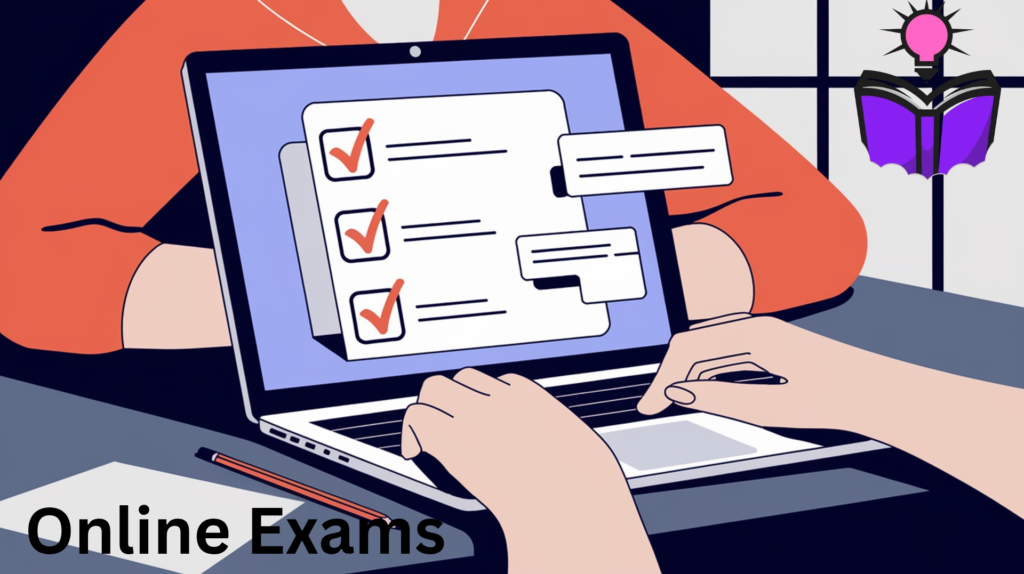
Online exams are not just digital versions of paper tests. They often come with unique formats, time constraints, and technical requirements. Some are timed strictly, while others allow flexible completion within a window. Many include proctoring software that monitors your activity, webcam, and screen.
Because of this, success depends on more than just knowing the material. You also need to be comfortable with the testing environment and technology. Understanding the format ahead of time helps eliminate surprises and allows you to focus on what really matters—your performance.
Take time to review the exam guidelines. Look at the structure, number of questions, types of questions, and any rules about breaks, navigation, or external resources. Knowing these details gives you a strategic advantage.
Creating a Study Plan That Works
One of the biggest mistakes students make is underestimating the discipline required for online exam preparation. Without a structured environment like a classroom, it’s easy to procrastinate.
Start by identifying your exam date and working backward. Break your study material into manageable sections and assign them to specific days. Instead of cramming everything at once, aim for consistent daily progress.
A good study plan is realistic and flexible. Life happens—especially if you’re balancing work, family, or other responsibilities. Build in buffer days to review difficult topics or catch up if you fall behind.
Focus on quality over quantity. Studying for long hours without focus won’t help. Short, focused sessions are far more effective, especially when paired with active learning techniques like summarizing, practicing questions, or teaching concepts to someone else.
Setting Up the Right Study Environment
Your environment plays a huge role in how well you prepare. Studying on your bed or in a noisy room can make it harder to concentrate.
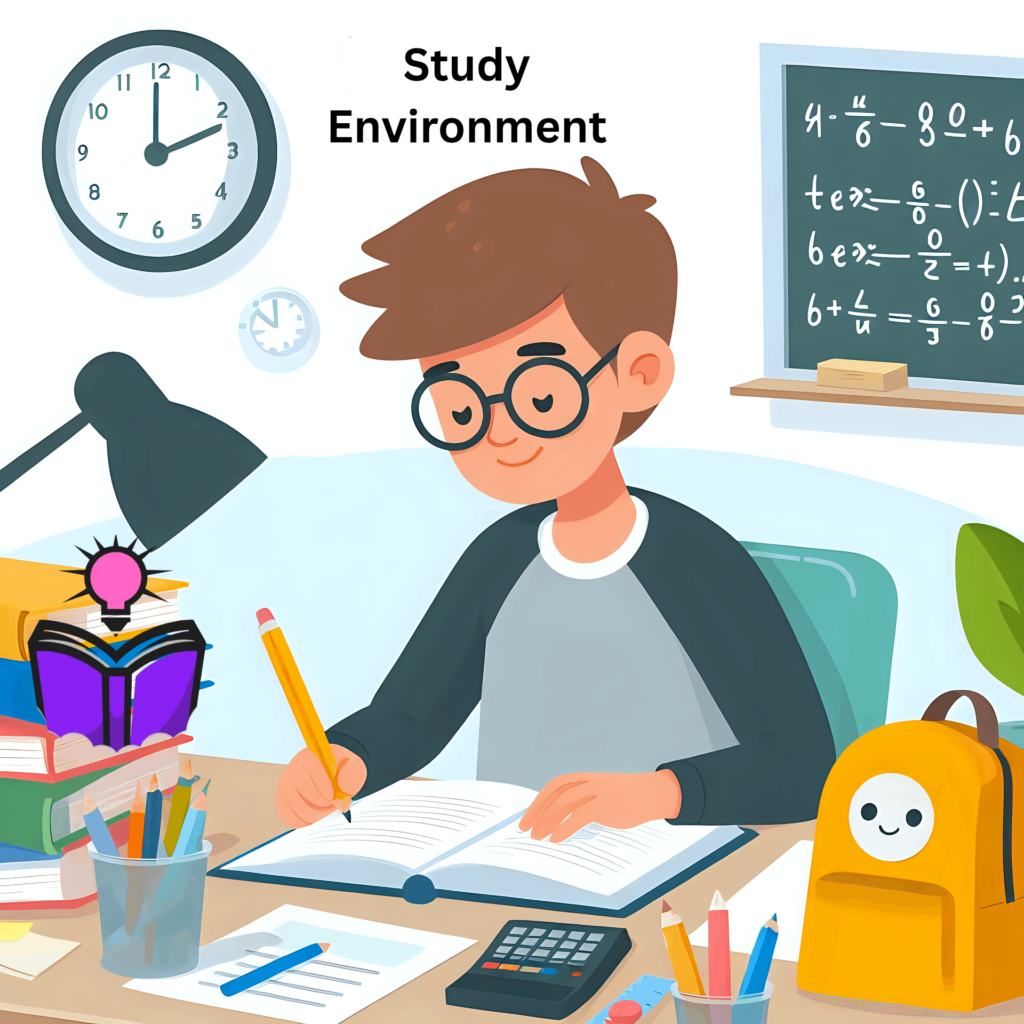
Create a dedicated study space where you can focus without distractions. Ideally, this should be a quiet area with good lighting and a comfortable chair. Keep your study materials organized and within reach so you don’t waste time looking for things.
Minimize digital distractions as well. Turn off unnecessary notifications on your phone and computer while studying. If needed, use apps or browser extensions that block social media during your study sessions.
Consistency matters. When you study in the same place regularly, your brain begins to associate that space with focus and productivity.
Mastering Time Management
Time management is critical for both preparation and the exam itself. Many online exams are strictly timed, and poor time management can lead to rushed answers or incomplete sections.
While studying, practice working under time constraints. Set a timer when answering practice questions so you get used to pacing yourself. This helps build confidence and reduces anxiety on test day.
Learn to prioritize topics based on importance and difficulty. Spend more time on areas where you feel less confident, but don’t ignore your strengths either. A balanced approach ensures you’re well-prepared across all sections.
During the exam, read each question carefully but avoid spending too long on any single one. If you get stuck, move on and return later if time allows.
Using the Right Study Techniques
Not all study methods are equally effective. Passive reading or highlighting may feel productive, but they often don’t lead to deep understanding.
Active learning techniques work better for online exams. These include self-testing, practice quizzes, flashcards, and explaining concepts in your own words. The more you engage with the material, the better you retain it.
Practice exams are especially valuable. They simulate the real testing experience and help you identify weak areas. They also improve your familiarity with the format and timing.
Another powerful method is spaced repetition. Instead of reviewing material once, revisit it at intervals over time. This strengthens memory and improves long-term retention.
Getting Comfortable with Technology
Technical issues are one of the most common concerns with online exams. A slow internet connection, outdated software, or unfamiliar testing platform can create unnecessary stress.
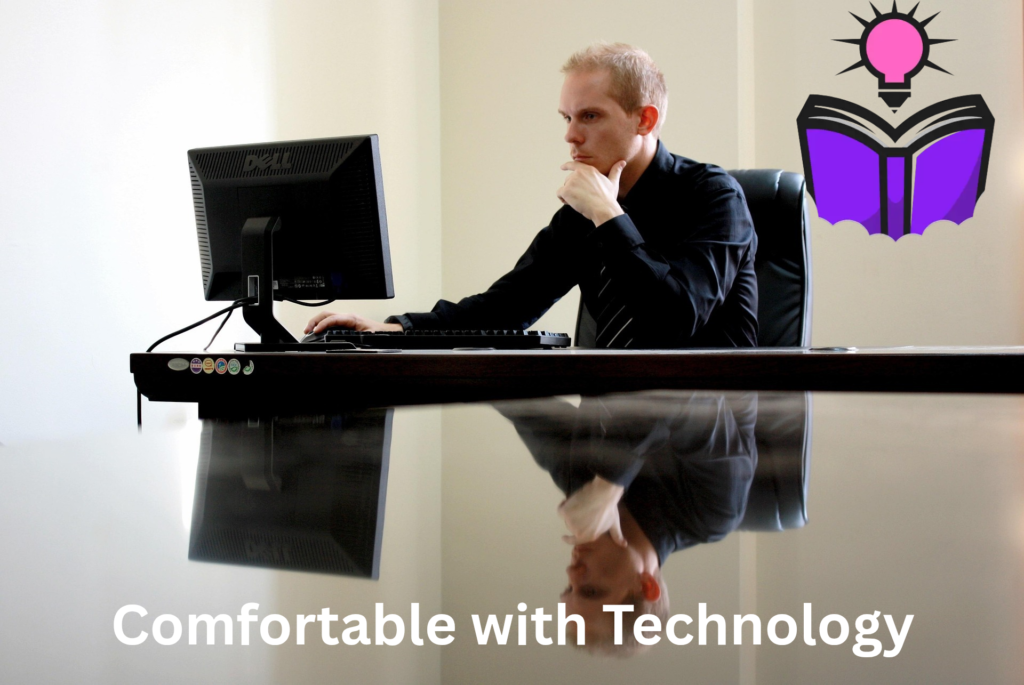
Before your exam, make sure your computer meets all the technical requirements. Update your browser, operating system, and any required software. Test your webcam, microphone, and internet connection.
If your exam uses a specific platform, explore it in advance. Many providers offer demo tests or tutorials. Take advantage of these to understand how to navigate the system, submit answers, and use any tools provided.
It’s also a good idea to have a backup plan. Know what to do if your internet disconnects or your system crashes. Having a plan reduces panic and helps you respond quickly.
Managing Test Anxiety
Feeling nervous before an exam is completely normal, but too much anxiety can affect your performance. The key is to manage it effectively.
Preparation is your best defense against anxiety. When you know you’ve studied well and practiced thoroughly, your confidence naturally increases.
In the days leading up to the exam, focus on maintaining a healthy routine. Get enough sleep, eat balanced meals, and stay hydrated. Avoid last-minute cramming, which can increase stress.
On exam day, take a few moments to relax before starting. Deep breathing can help calm your nerves and improve focus. Remind yourself that you’ve prepared and are capable of doing well.
Preparing for Proctored Exams
Many online certifications in the United States use remote proctoring to ensure exam integrity. This means your test session may be monitored through your webcam, screen recording, and even AI-based tools.
To prepare, make sure your testing area meets the requirements. This usually means a clean desk, no unauthorized materials, and good lighting. You may be asked to show your surroundings before the exam begins.
Follow all instructions carefully. Avoid behaviors that might be flagged, such as looking away from the screen frequently or speaking aloud.
Understanding these rules ahead of time helps you stay relaxed and avoid unnecessary issues during the exam.
Taking Care of Your Health
Your physical and mental health play a major role in your performance. Studying for long hours without breaks can lead to burnout and reduced productivity.
Incorporate regular breaks into your study routine. Even short breaks can help refresh your mind and improve focus when you return.
Exercise is another important factor. Physical activity boosts energy levels, reduces stress, and improves overall well-being. Even a short walk can make a difference.
Don’t overlook the importance of sleep. Lack of sleep can affect memory, concentration, and decision-making. Aim for consistent, quality sleep, especially in the days leading up to your exam.
Developing Exam-Day Strategies
Your preparation doesn’t end when the exam starts. Having a clear strategy for exam day can significantly improve your performance.
Start by logging in early to avoid last-minute technical issues. Make sure everything is set up and working properly before the test begins.
Read all instructions carefully. Understand how to navigate between questions, submit answers, and review your work.
Stay focused throughout the exam. If you feel stuck, take a brief mental pause and refocus. Keep an eye on the time, but don’t let it stress you out.
After completing the exam, review your answers if time allows. Look for any mistakes or questions you may have misunderstood.
Avoiding Common Mistakes
Many test-takers make avoidable mistakes that can impact their scores. One of the most common is procrastination. Waiting until the last minute to study often leads to stress and poor performance.
Another mistake is ignoring the technical side of online exams. Even if you know the material well, technical issues can disrupt your test if you’re not prepared.
Overconfidence can also be a problem. Assuming you don’t need to study certain topics can leave gaps in your knowledge. It’s better to review everything thoroughly.
Finally, don’t neglect self-care. Burning yourself out before the exam can do more harm than good.
Building Long-Term Study Habits
Preparing for online exams isn’t just about passing a single test. It’s an opportunity to develop habits that will benefit you throughout your academic and professional journey.
Consistency, discipline, and effective study techniques are skills that carry over into every area of life. The more you practice them, the easier they become.
Think of each exam as a learning experience. Reflect on what worked well and what you can improve for next time. This mindset helps you grow and continuously improve.

Staying Motivated Throughout the Process
Motivation can fluctuate, especially when preparing for long or challenging exams. Keeping your goals in mind can help you stay on track.
Remind yourself why you’re taking the exam. Whether it’s advancing your career, earning a certification, or achieving a personal milestone, having a clear purpose keeps you motivated.
Set small, achievable goals along the way. Completing a chapter or mastering a topic can give you a sense of accomplishment and keep you moving forward.
Reward yourself for progress. Positive reinforcement can make the process more enjoyable and less overwhelming.
Final Thoughts
Preparing for online exams and certifications doesn’t have to be stressful or confusing. With the right approach, you can turn it into a structured, manageable, and even rewarding experience.
Focus on building a solid study plan, creating a distraction-free environment, and using effective learning techniques. Take the time to understand the technical requirements and practice with the tools you’ll be using.
Equally important is taking care of your mental and physical well-being. A healthy, balanced approach leads to better focus, higher confidence, and improved performance.
Online exams are here to stay, especially in the United States where digital learning continues to grow. By mastering these preparation strategies, you’ll not only succeed in your exams but also develop skills that support lifelong learning and success.