How to Prepare for the Transition to College Life: A Complete Guide for U.S. Students
The transition from high school to college is one of the most exciting—and challenging—milestones in a young adult’s life. Whether you’re heading across the country or staying close to home, starting college means stepping into a world of independence, responsibility, and opportunity.
For students across the United States, from bustling campuses like University of California, Los Angeles to historic institutions like Harvard University, the shift to college life requires thoughtful preparation. This guide will walk you through everything you need to know about preparing for college—academically, emotionally, socially, and financially—so you can start strong and thrive.

Understanding the College Transition
Before diving into practical tips, it’s important to understand why the transition to college life can feel overwhelming.
In high school, your schedule is structured. Your parents or guardians likely manage much of your daily life. In college, especially at large institutions like University of Texas at Austin or Ohio State University, you are responsible for your time, your coursework, your health, and your decisions.
This newfound independence is empowering—but it also demands maturity and preparation.
1. Prepare Academically Before You Arrive
Strengthen Time Management Skills
College courses move faster than high school classes. Professors expect you to learn material outside of lectures, and exams often cover large amounts of content.
Start practicing time management before college begins:
- Use a planner or digital calendar.
- Break large assignments into smaller tasks.
- Create a weekly study routine.
- Avoid procrastination.
By building these habits early, you’ll avoid the stress many freshmen experience during their first midterm season.
Understand Your Academic Expectations
Every college has different academic standards. A private institution like Stanford University may structure coursework differently from a large public university like University of Florida.
Before arriving on campus:
- Review your course syllabi if available.
- Familiarize yourself with credit hours.
- Learn about GPA requirements for your major.
- Explore tutoring and academic support services.
Knowing what’s expected reduces anxiety and boosts confidence.
2. Develop Essential Life Skills
College is not just about academics. It’s about living independently.
Learn Basic Financial Management
Many college students in the U.S. juggle tuition payments, student loans, meal plans, and personal expenses. Whether you’re attending New York University or a community college, financial responsibility is crucial.
Start by:
- Creating a monthly budget.
- Understanding your financial aid package.
- Tracking spending.
- Learning how credit cards work.
Small financial mistakes in college can follow you for years, so building smart habits early is key.

Master Basic Self-Care
For many students, college is the first time managing laundry, grocery shopping, cleaning, and cooking independently.
Practice these skills before move-in day:
- Do your own laundry.
- Prepare simple meals.
- Maintain a clean living space.
- Schedule your own appointments.
These seemingly small responsibilities contribute significantly to your overall well-being.
3. Prepare Emotionally for Independence
Leaving home—whether you’re moving into a dorm at University of Michigan or commuting locally—can trigger mixed emotions.
Expect Homesickness
Homesickness is common among first-year college students in the United States. Missing family, pets, and familiar routines is completely normal.
To cope:
- Stay connected through scheduled calls or video chats.
- Bring meaningful items from home.
- Build new routines quickly.
- Get involved in campus activities.
Homesickness usually fades as you create new friendships and find your rhythm.
Build Emotional Resilience
College life includes challenges—academic setbacks, roommate conflicts, social adjustments. Emotional resilience will help you navigate these situations without becoming overwhelmed.
Practice:
- Healthy stress management (exercise, journaling, mindfulness).
- Seeking help when needed.
- Viewing setbacks as learning opportunities.
Most campuses, including large universities like Pennsylvania State University, offer counseling services designed specifically for students.
4. Get Socially Ready for Campus Life
Be Open to New Friendships
College brings together students from all 50 states and around the world. At institutions such as Arizona State University, you’ll meet people with diverse backgrounds and perspectives.
To build connections:
- Attend orientation events.
- Introduce yourself to classmates.
- Join clubs or student organizations.
- Participate in campus traditions.
You don’t have to meet your best friends on day one. Focus on being approachable and curious.

Learn to Navigate Roommate Relationships
If you’re living on campus, your roommate might become your first college friend—or your first big challenge.
Set expectations early about:
- Cleaning responsibilities.
- Quiet hours.
- Guests.
- Shared items.
Clear communication prevents small issues from turning into major conflicts.
5. Organize Your Move Efficiently
Moving into college housing—whether at University of Georgia or another U.S. campus—can feel chaotic.
Create a Move-In Checklist
Plan what to bring carefully:
- Bedding (check dorm size requirements).
- Storage solutions.
- Toiletries.
- School supplies.
- Important documents.
Avoid overpacking. Dorm rooms are typically smaller than you expect.
Understand Campus Policies
Each college has specific policies regarding:
- Parking permits.
- Meal plans.
- Guest policies.
- Technology use.
- Mail and packages.
Review these before arrival to prevent confusion.
6. Set Realistic Academic and Personal Goals
College offers freedom—but too much freedom without direction can lead to burnout or underperformance.
Before classes begin:
- Define short-term academic goals.
- Consider long-term career interests.
- Identify extracurricular interests.
- Plan how to maintain work-life balance.
Students at competitive schools like University of Southern California often succeed because they approach college with clear intentions.
7. Understand the Importance of Campus Resources
One major difference between high school and college in the U.S. is the abundance of support services—if you use them.
Most campuses provide:
- Writing centers.
- Academic advising.
- Career counseling.
- Mental health services.
- Internship placement assistance.
At large research institutions like Purdue University, these resources are extensive—but students must take the initiative.
Don’t wait until you’re struggling. Introduce yourself to advisors early.
8. Prepare for Cultural and Diversity Awareness
American college campuses are diverse environments. You may encounter perspectives and lifestyles different from your own.
Be prepared to:
- Engage respectfully in discussions.
- Challenge your assumptions.
- Learn from others’ experiences.
- Participate in inclusive communities.
Colleges such as Columbia University are known for vibrant, multicultural student populations. Embracing diversity enhances both personal growth and career readiness.
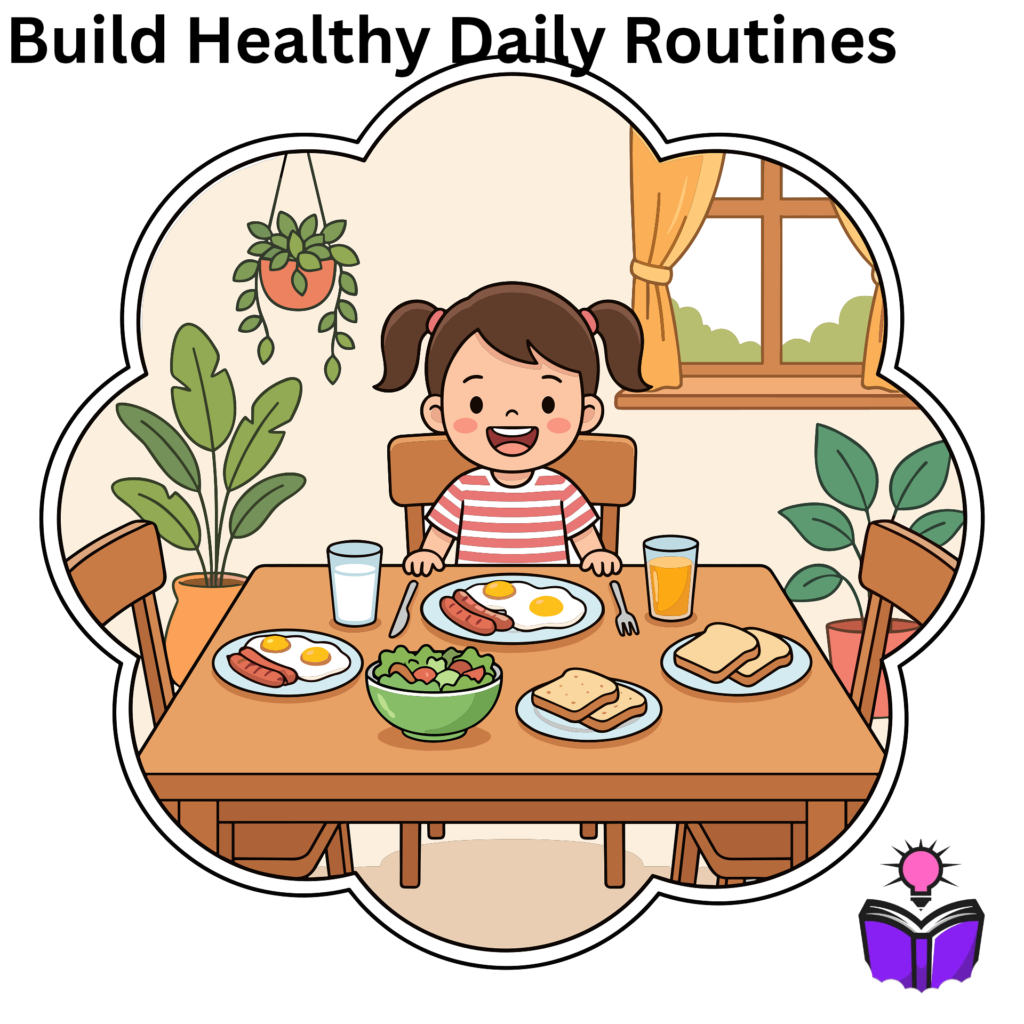
9. Build Healthy Daily Routines
Freedom without structure can quickly derail productivity. Creating routines early prevents burnout.
Focus on:
- Consistent sleep schedules.
- Balanced nutrition.
- Regular exercise.
- Dedicated study blocks.
Even at dynamic campuses like University of Washington, students who build structure tend to perform better academically and socially.
10. Plan for Career Development Early
While your first year may feel focused on adjustment, it’s never too early to think about career preparation.
U.S. employers value:
- Internships.
- Leadership roles.
- Volunteer experience.
- Networking skills.
Many universities, including University of North Carolina at Chapel Hill, encourage students to meet with career counselors as early as freshman year.
Building your resume gradually is far less stressful than scrambling during senior year.

11. Know That It’s Okay Not to Have Everything Figured Out
A common myth among incoming freshmen is that everyone else is more confident and more prepared.
The truth? Most students—whether at Boston University or a small liberal arts college—are navigating uncertainty.
It’s normal to:
- Change majors.
- Switch friend groups.
- Adjust goals.
- Experience moments of doubt.
Growth happens through exploration.
12. Stay Safe and Make Smart Decisions
College introduces social situations that require responsible decision-making.
Be proactive about:
- Understanding campus safety resources.
- Knowing emergency contacts.
- Using safe transportation options.
- Making informed choices regarding alcohol and social events.
Universities across the U.S., including Texas A&M University, emphasize safety education during orientation. Pay attention—it matters.
13. Embrace the Experience Fully
Preparing for college isn’t about eliminating every challenge. It’s about equipping yourself with tools to handle them.
Your college years are an opportunity to:
- Discover new passions.
- Build lifelong friendships.
- Develop independence.
- Shape your future career.
- Grow personally and academically.
From large public institutions like Michigan State University to smaller private colleges across the United States, students who approach college with preparation and openness tend to thrive.
Final Thoughts: Confidence Through Preparation
The transition to college life marks the beginning of a powerful new chapter. By preparing academically, emotionally, socially, and financially, you set yourself up for success from day one.
Remember:
College is not just about earning a degree. It’s about becoming the person you’re meant to be.
Preparation doesn’t eliminate uncertainty—but it builds confidence.
And with confidence, you’ll not only survive your first year—you’ll make it one of the most transformative experiences of your life.
If you’re getting ready to start college in the United States, take a deep breath. You’re not alone. With the right mindset and preparation, you’re ready for this exciting new journey.