
The Role of Teachers in the Digital Education Era
The digital revolution has transformed nearly every industry in the United States—and education is no exception. From virtual classrooms and adaptive learning software to artificial intelligence and real-time assessment tools, today’s students are growing up in a technology-rich world. In this evolving landscape, one question continues to surface: What is the role of teachers in the digital education era?
While some once predicted that technology might replace educators, the reality has proven quite the opposite. Teachers are more essential than ever. However, their roles have evolved. In the modern American classroom—whether physical, virtual, or hybrid—teachers are facilitators, mentors, digital guides, data interpreters, and innovators.
This article explores how the role of teachers has changed in the digital age, why they remain central to student success, and how they are shaping the future of education in the United States.
The Shift from Traditional Teaching to Digital Learning
For decades, American classrooms followed a familiar structure: teachers delivered lectures, students took notes, textbooks guided lessons, and assessments measured retention. The teacher was the primary source of knowledge.
Today, information is everywhere. Students can access online libraries, educational videos, and AI-powered tutoring tools with a few clicks. Platforms like Khan Academy and Coursera provide free and affordable access to courses from top universities. Search engines like Google offer instant answers to almost any question.
But access to information does not equal understanding.
In the digital education era, teachers are no longer just information providers—they are learning architects. They design experiences that help students interpret, evaluate, and apply information meaningfully. Rather than competing with technology, effective teachers integrate it into their instructional strategies to enhance engagement and deepen comprehension.
Teachers as Facilitators of Critical Thinking
One of the most important roles of teachers today is fostering critical thinking skills. In a world flooded with online content, misinformation, and social media influence, students must learn how to analyze sources, question assumptions, and draw evidence-based conclusions.
Technology gives students access to vast amounts of data, but teachers guide them in asking the right questions:
- Is this source credible?
- What perspective is being presented?
- What evidence supports this claim?
In American classrooms, digital literacy has become as essential as reading and math. Teachers help students distinguish reliable information from misleading content and teach them responsible online research practices. This role is particularly critical in an era where algorithms often shape what individuals see and believe.
Personalizing Learning Through Technology
One of the most significant advantages of digital education is personalization. Adaptive learning tools can assess student progress in real time and adjust content accordingly. This helps meet the needs of diverse learners across the United States, including English language learners, students with disabilities, and gifted students.
However, technology alone cannot personalize education effectively. Teachers interpret the data generated by digital platforms and use it to adjust instruction. They identify learning gaps, provide targeted support, and offer encouragement when students struggle.
For example, a math app may show that a student is having difficulty with fractions. The teacher can then provide additional examples, small group instruction, or one-on-one guidance to reinforce understanding. The human connection ensures that personalization is meaningful rather than mechanical.
The Rise of Hybrid and Online Learning
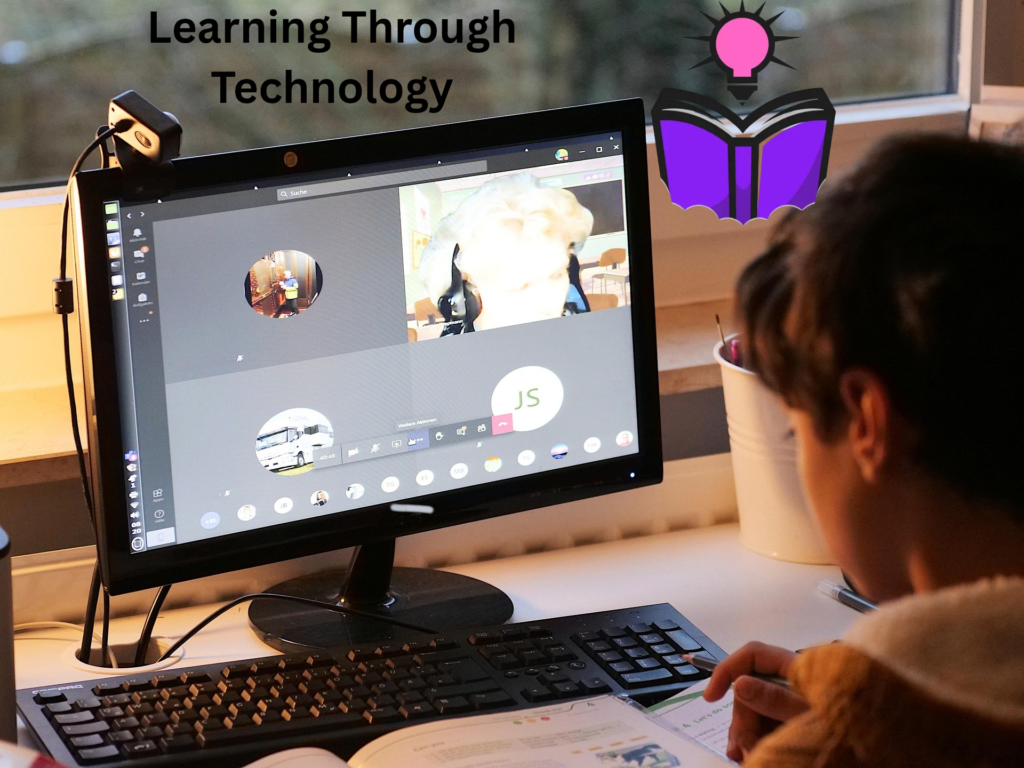
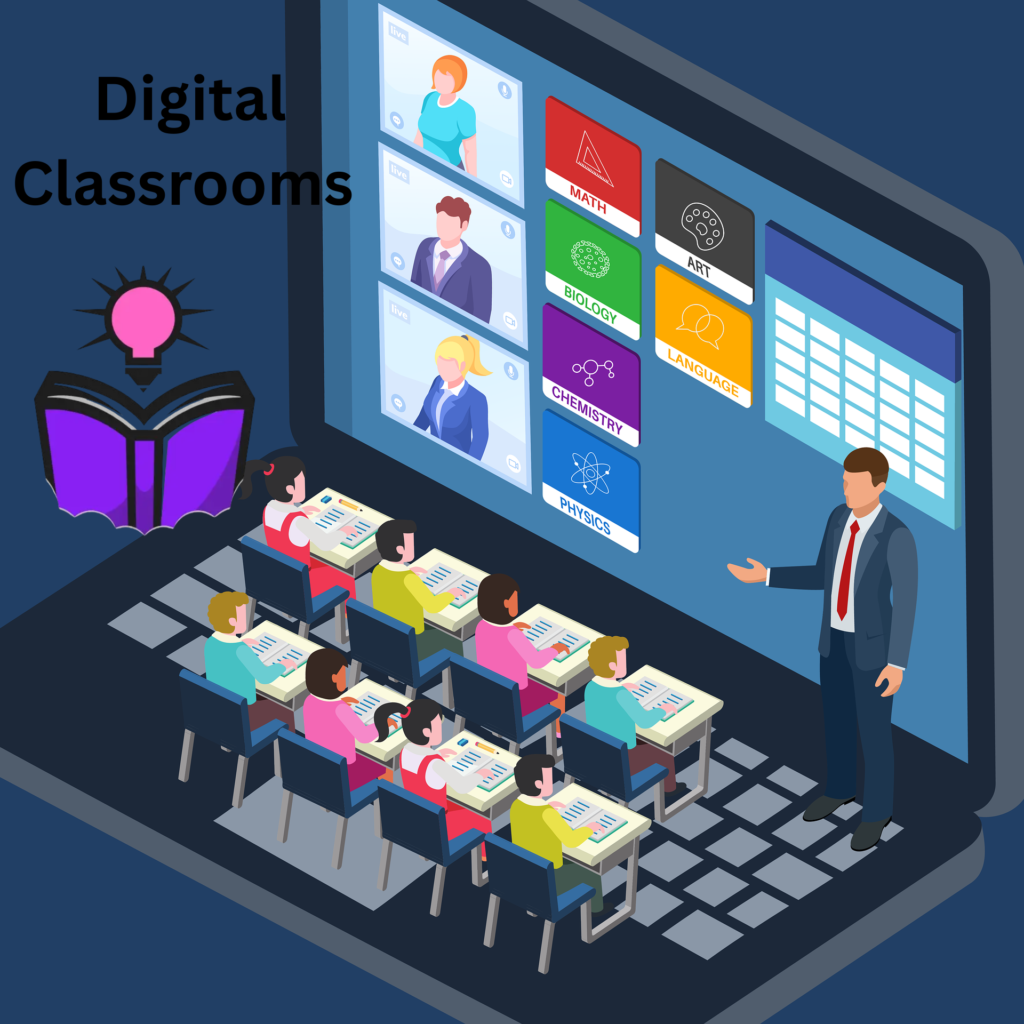
The COVID-19 pandemic accelerated digital transformation in American education. Schools across the country rapidly adopted virtual learning platforms, video conferencing tools, and online collaboration software. Districts turned to solutions like Zoom and Google Classroom to maintain instructional continuity.
While many schools have returned to in-person instruction, hybrid and fully online models remain popular. Virtual schools, blended classrooms, and remote tutoring programs are now common across the United States.
In these environments, teachers play multiple roles:
- Content curator
- Digital classroom manager
- Online community builder
- Technical troubleshooter
- Academic coach
Managing engagement in a virtual classroom requires new strategies. Teachers must create interactive lessons, incorporate multimedia resources, and use breakout discussions to maintain participation. They also monitor student well-being, as online learning can sometimes feel isolating.
The ability to build relationships—even through a screen—has become a defining skill of effective educators in the digital age.
Teachers as Mentors and Emotional Support Systems
Technology can deliver information, but it cannot replace empathy.
American educators increasingly recognize the importance of social-emotional learning. Students face academic pressures, social challenges, and mental health concerns. Teachers often serve as trusted adults who provide stability and guidance.
In digital learning environments, this responsibility remains critical. Teachers check in with students, encourage collaboration, and foster inclusive online communities. They create spaces where students feel safe asking questions and expressing ideas.
The digital education era has not diminished the importance of human connection—it has amplified it.
Integrating Artificial Intelligence in Education
Artificial intelligence (AI) is reshaping the educational landscape. AI-powered tools can grade assignments, recommend learning paths, and provide instant feedback. Companies like Microsoft and OpenAI are developing technologies that support educators in lesson planning and student assessment.
Yet, AI remains a tool—not a teacher.
Educators decide how to use AI ethically and effectively. They teach students about responsible AI use, academic integrity, and digital citizenship. Teachers also evaluate when human instruction is more appropriate than automated responses.
Rather than replacing teachers, AI can reduce administrative burdens, allowing educators to focus more on creativity, mentorship, and individualized support.
Bridging the Digital Divide in the United States
Despite technological advancements, not all students have equal access to digital resources. The digital divide remains a significant issue in rural communities, low-income households, and underserved urban areas.
Teachers often serve as advocates for equitable access. They identify students who lack reliable internet or devices and work with schools to provide solutions. Federal programs supported by agencies like the Federal Communications Commission aim to expand broadband access, but teachers remain on the front lines of implementation.
In many communities, educators adapt lessons to ensure no student is left behind, whether by providing printed materials, flexible deadlines, or offline alternatives.
Professional Development in the Digital Age
The role of teachers continues to evolve, and ongoing professional development is essential. American educators are increasingly participating in online workshops, certification programs, and collaborative networks to enhance digital skills.
Institutions such as edX offer courses that help teachers learn about instructional technology, data analysis, and virtual classroom management.
Professional growth ensures that teachers remain confident and competent in integrating emerging technologies. It also models lifelong learning for students—an essential mindset in today’s rapidly changing world.
Promoting Collaboration and Communication
Digital tools have expanded collaboration beyond classroom walls. Students in the United States can now work on projects with peers across the country or even internationally. Teachers facilitate these connections, guiding communication and ensuring respectful engagement.
Collaborative platforms allow students to share ideas, provide peer feedback, and co-create content. Teachers design structured group activities that promote teamwork, problem-solving, and creativity.
By leveraging technology, educators prepare students for modern workplaces, where remote collaboration and digital communication are standard.
Encouraging Creativity in a Digital World
Contrary to concerns that technology may limit creativity, digital tools can actually enhance it. Students can create videos, podcasts, digital art, and interactive presentations. Teachers guide them in using these tools responsibly and effectively.
Creative digital projects encourage deeper engagement and allow students to demonstrate understanding in diverse ways. A history assignment, for example, might become a multimedia documentary rather than a traditional essay.
Teachers help students balance innovation with academic rigor, ensuring that creativity supports learning objectives.
Preparing Students for the Future Workforce
The American workforce is evolving rapidly. Employers increasingly seek digital literacy, adaptability, communication skills, and critical thinking. Teachers play a central role in preparing students for these demands.
By integrating technology into lessons, educators familiarize students with tools they may encounter in future careers. They also emphasize soft skills—collaboration, resilience, and ethical decision-making—that technology cannot replace.
In career and technical education programs, teachers connect classroom learning to real-world applications, helping students see the relevance of their studies.
Maintaining Academic Integrity
With easy access to online resources and AI writing tools, maintaining academic integrity has become more complex. Teachers must establish clear guidelines about plagiarism, responsible research, and ethical technology use.
Rather than focusing solely on punishment, effective educators emphasize understanding. They teach students how to cite sources, paraphrase responsibly, and use digital tools as learning aids rather than shortcuts.
This approach fosters integrity and accountability—qualities essential for academic and professional success.
Building Inclusive Digital Classrooms
In the digital education era, inclusivity extends beyond physical access. Teachers must ensure that digital content is accessible to students with disabilities, language barriers, and varying learning preferences.
Features such as captions, screen readers, and adjustable text sizes make online learning more inclusive. Teachers carefully select platforms and design materials that accommodate diverse needs.
Inclusivity also involves cultural responsiveness. Educators use digital resources to introduce diverse perspectives and voices, enriching the learning experience for all students.
Strengthening Parent-Teacher Communication
Technology has improved communication between schools and families across the United States. Digital grade books, messaging apps, and virtual conferences allow parents to stay informed about their children’s progress.
Teachers use these tools to share updates, address concerns, and celebrate achievements. Strong parent-teacher partnerships contribute to student success, particularly in remote or hybrid learning models.
Challenges Teachers Face in the Digital Education Era
While technology offers many benefits, it also presents challenges. Teachers must manage screen fatigue, cybersecurity concerns, and evolving digital policies. They must balance innovation with curriculum standards and standardized testing requirements.
Additionally, the pace of technological change can feel overwhelming. New platforms emerge regularly, and educators must evaluate which tools genuinely enhance learning.
Despite these challenges, American teachers continue to adapt with resilience and creativity.
The Human Element Remains Essential
No matter how advanced technology becomes, it cannot replicate the intuition, empathy, and inspiration of a skilled teacher. Educators recognize when a student is disengaged, anxious, or confused—often before the student says a word.
They motivate, challenge, and celebrate achievements. They create communities where students feel valued and supported.
In the digital education era, technology is a powerful ally—but teachers remain the heart of education.
Looking Ahead: The Future of Teaching in America
As digital tools continue to evolve, the role of teachers will keep expanding. Virtual reality, AI tutors, and immersive simulations may become more common in classrooms. Data analytics will likely play a larger role in measuring student growth.
Yet the core mission remains unchanged: helping students learn, grow, and thrive.
The future of education in the United States depends not only on technological innovation but on empowering teachers with training, resources, and support. When educators are equipped to integrate digital tools thoughtfully, students benefit academically and personally.
Conclusion
The role of teachers in the digital education era is dynamic, multifaceted, and more important than ever. In American classrooms—whether in-person, online, or hybrid—educators are guides, mentors, innovators, and advocates.
Technology has transformed how students access information, collaborate, and demonstrate learning. But it is teachers who provide context, connection, and critical insight. They personalize instruction, bridge equity gaps, foster creativity, and nurture emotional well-being.
As education continues to evolve in the United States, one truth remains clear: digital tools may shape the future, but teachers shape the learners who will define it.
By embracing innovation while preserving human connection, teachers are not just adapting to the digital era—they are leading it.