Top EdTech Tools for Special Education: Empowering Every Learner
Education technology has transformed classrooms across the United States, but its impact is especially powerful in special education. For students with learning differences, disabilities, or unique educational needs, the right digital tools can make the difference between frustration and confidence. EdTech tools help teachers personalize instruction, provide accessible learning formats, and support communication, independence, and skill development.
Across American schools, educators are increasingly using innovative platforms to support students with conditions such as dyslexia, ADHD, autism spectrum disorder, speech impairments, and physical disabilities. These tools do more than digitize learning materials—they open new pathways for understanding and participation.
This guide explores the top EdTech tools for special education that are helping teachers, therapists, and parents support diverse learners. From speech assistance to adaptive learning platforms, these technologies are reshaping how special education works in modern classrooms.
The Growing Role of Technology in Special Education
Special education in the United States has evolved significantly in the past two decades. Federal policies such as the Individuals with Disabilities Education Act (IDEA) require schools to provide appropriate educational opportunities for students with disabilities. Technology has become a crucial part of meeting those requirements.
Traditional teaching methods often struggle to meet the individualized needs of every learner. Students may need alternative formats for reading, different pacing for lessons, or assistive communication systems. EdTech tools provide solutions that can be tailored to each student’s learning profile.
For example, text-to-speech technology allows students with reading difficulties to listen to written material. Speech-to-text tools enable students with motor challenges to express their thoughts through writing. Interactive apps can help children with autism practice communication skills in structured, predictable environments.
Another major benefit of EdTech in special education is engagement. Many students who struggle in traditional classrooms respond positively to interactive visuals, gamified lessons, and personalized learning pathways. Technology transforms learning into an experience that feels achievable and motivating.
Assistive Technology for Reading and Literacy
Reading is one of the most common areas where students in special education need support. Many learners struggle with decoding, comprehension, or processing written information. EdTech tools designed for literacy support can dramatically improve accessibility.
Text-to-speech software is one of the most valuable tools in this category. These programs convert written text into spoken audio, allowing students to follow along while listening. This approach improves comprehension and reduces the stress associated with reading difficulties.
Another effective literacy technology is word prediction software. As students type, the system suggests possible words or phrases, helping learners who struggle with spelling or writing mechanics. This reduces frustration and helps students focus on expressing their ideas rather than worrying about spelling errors.
Digital annotation tools also play a role in supporting literacy development. Students can highlight text, add notes, and break down complex passages into manageable sections. These features make reading assignments more interactive and easier to process.
For educators, these tools provide insight into how students interact with texts. Teachers can track progress, identify areas where students struggle, and adjust instruction accordingly.
Communication Tools for Students with Speech Challenges
Communication barriers can significantly impact a student’s ability to participate in class. Students with speech impairments or autism may find it difficult to express their needs, ideas, or questions.
Augmentative and alternative communication (AAC) technologies have transformed communication possibilities for these students. These systems allow learners to communicate through symbols, images, or text-to-speech devices.
AAC apps often use visual icons representing words or phrases. Students can tap images to construct sentences that the device reads aloud. Over time, learners develop communication independence and confidence.
Many schools in the United States now incorporate tablet-based AAC tools into individualized education programs (IEPs). Teachers and therapists can customize vocabulary sets to match a student’s environment, whether it’s classroom activities, social interactions, or daily routines.
Communication technology also supports social learning. Students who previously struggled to participate in discussions can now contribute ideas and interact with peers. This inclusion helps build relationships and encourages collaborative learning.
Adaptive Learning Platforms for Personalized Education
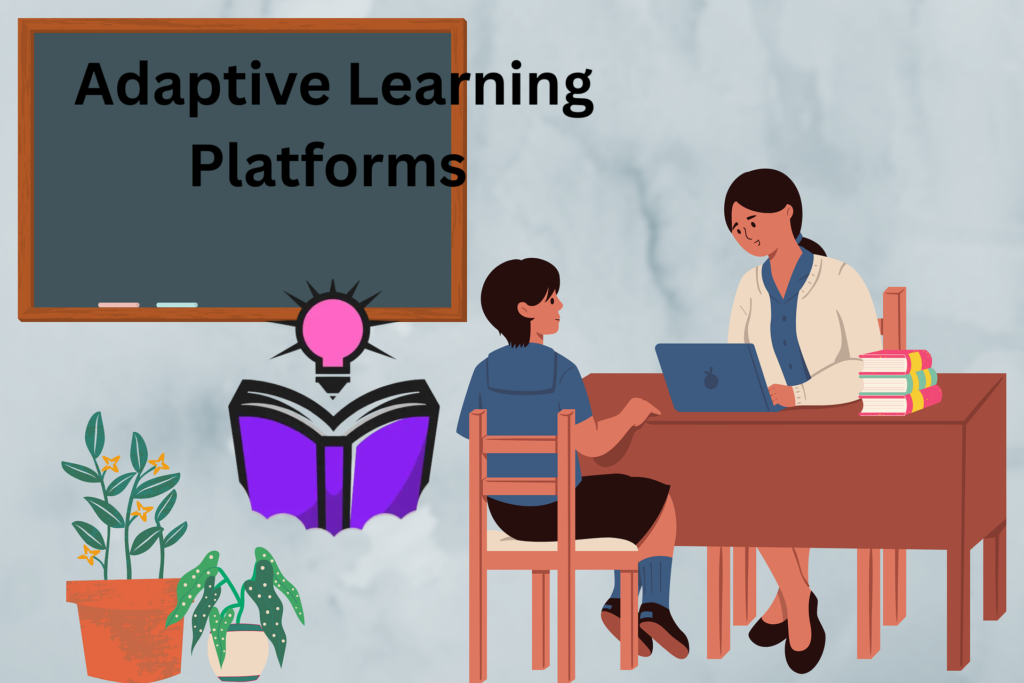
Every student learns differently, but adaptive learning technology takes personalization to a new level. These platforms analyze how students respond to lessons and automatically adjust content difficulty, pacing, and instructional strategies.
For special education students, this personalization is extremely valuable. A learner who struggles with math concepts can receive additional practice, visual explanations, and guided support. Meanwhile, students who master a topic quickly can move forward without feeling held back.
Adaptive platforms also provide teachers with detailed data about student performance. Educators can identify patterns, track skill development, and adjust instruction to meet specific needs.
Another advantage is the ability to break down complex subjects into smaller steps. Instead of overwhelming students with large amounts of information, adaptive platforms introduce concepts gradually. This incremental approach helps learners build confidence while developing foundational skills.
Gamification elements—such as points, rewards, and progress tracking—also play a role in motivation. Many students who struggle with traditional worksheets respond better to interactive digital challenges that feel more like games than assignments.
Visual Learning Tools for Students with Autism
Visual learning strategies are widely used in special education, particularly for students with autism spectrum disorder. Many autistic learners process visual information more effectively than spoken instructions.
EdTech tools designed for visual learning use images, animations, and structured schedules to help students understand expectations and routines. Digital visual schedules allow students to see the sequence of activities throughout the day, reducing anxiety and improving transitions between tasks.
Interactive storytelling apps are another powerful resource. These tools teach social skills through illustrated scenarios that model appropriate behaviors in various situations, such as greeting a friend or asking for help.
Video modeling is also widely used in autism education. Students watch short videos demonstrating specific tasks or behaviors, then practice them in real life. Technology allows teachers to create customized videos tailored to classroom routines.
These visual supports make abstract social rules more concrete. By presenting information in clear, predictable formats, EdTech tools help autistic students develop independence and confidence.
Writing Support and Speech-to-Text Technology
Writing assignments can be particularly challenging for students with motor difficulties, dysgraphia, or language processing disorders. Speech-to-text technology provides a powerful solution.
With speech recognition tools, students can dictate their ideas instead of typing them. The software converts spoken words into written text in real time. This allows learners to focus on creativity and communication rather than handwriting or keyboarding challenges.
Speech-to-text tools also help students who struggle with spelling. Instead of worrying about how to spell a word, learners can simply say it aloud. This reduces anxiety and encourages longer, more detailed writing responses.
Many platforms also include editing features that read written text aloud. Students can listen to their sentences and identify mistakes or awkward phrasing. This audio feedback strengthens writing skills and helps learners become more independent editors.
Teachers often find that speech-to-text technology reveals students’ true abilities. Some learners who appear to struggle with writing actually have strong ideas and storytelling skills that become visible once mechanical barriers are removed.
Organization and Executive Function Tools
Students with ADHD, learning disabilities, or executive functioning challenges often struggle with organization, time management, and task completion. EdTech tools designed for productivity can help students develop these skills.
Digital planners allow students to track assignments, deadlines, and classroom tasks. Many systems include reminders, color-coding, and visual progress indicators. These features help learners break down large assignments into smaller steps.
Task management apps also encourage independence. Instead of relying solely on teacher reminders, students can monitor their own responsibilities and progress.
Timers and focus apps can support attention and concentration. For example, structured work sessions followed by short breaks help students maintain focus without feeling overwhelmed.
Teachers can also use classroom management platforms to monitor student progress and provide gentle reminders when tasks are incomplete. These systems create a supportive structure that helps students stay on track.
Virtual Reality and Immersive Learning
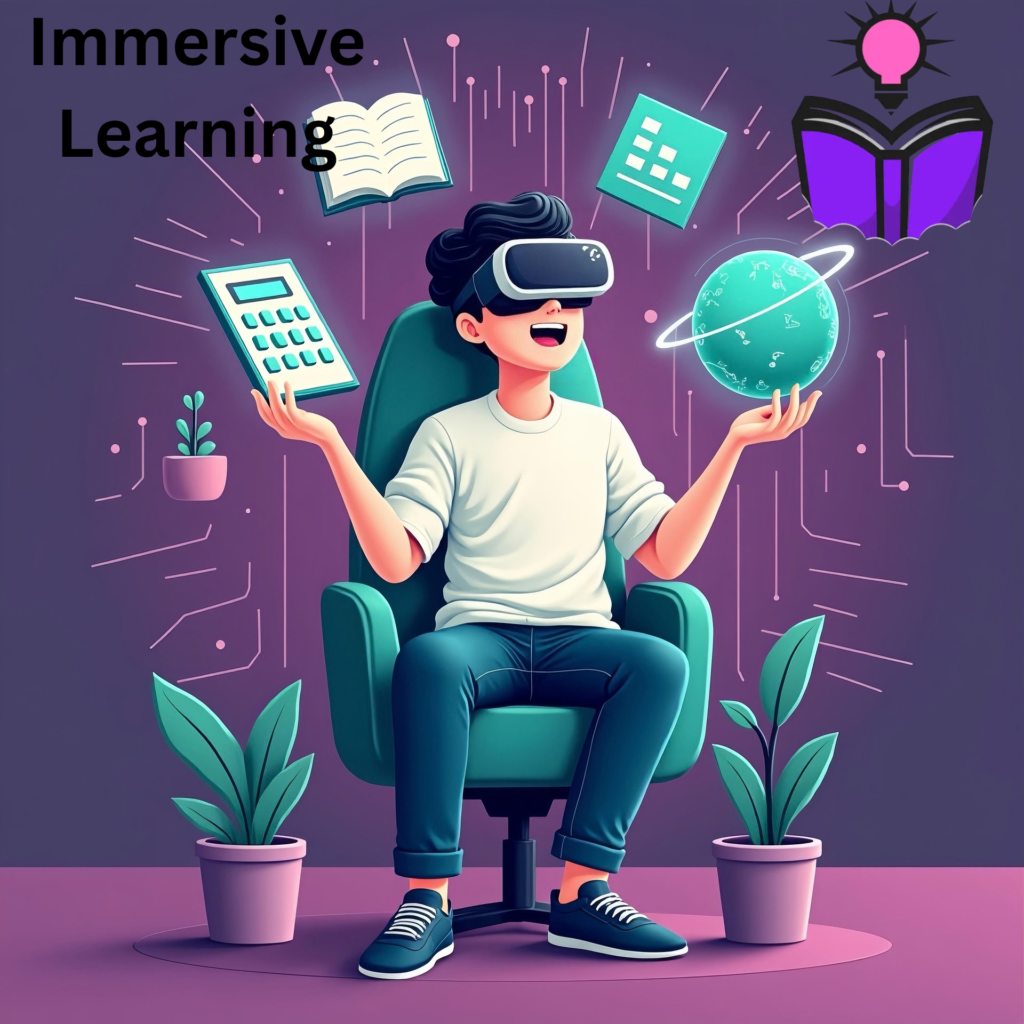
Emerging technologies such as virtual reality (VR) are beginning to play a role in special education. VR environments allow students to experience simulations that would be difficult or impossible in traditional classrooms.
For example, VR can help students practice real-world skills such as crossing a street, visiting a grocery store, or navigating public transportation. These immersive experiences provide safe environments where learners can practice life skills repeatedly.
VR is also being used for social skills training. Students can interact with virtual characters in simulated conversations, learning how to respond appropriately in different scenarios.
Another advantage of immersive learning is engagement. Students who struggle with traditional instruction often become highly motivated when lessons involve interactive digital environments.
Although VR technology is still evolving, many educators believe it will become a powerful tool for teaching independence and real-world skills to students with special needs.
Collaboration Tools for Teachers, Therapists, and Parents
Special education often involves collaboration among multiple professionals. Teachers, speech therapists, occupational therapists, and parents must work together to support a student’s development.
EdTech platforms designed for collaboration make this communication easier. Shared digital dashboards allow educators and therapists to track progress, update goals, and share observations.
Parents can also access updates about their child’s learning activities and achievements. This transparency helps families reinforce classroom strategies at home.
Collaborative tools also streamline the process of managing individualized education programs. Teachers can document accommodations, monitor progress toward goals, and adjust strategies as needed.
The result is a more coordinated support system where everyone involved in a student’s education has access to the same information and resources.
How Schools Can Choose the Right EdTech Tools
With so many educational technologies available, selecting the right tools can be challenging for schools and educators. The most effective approach is to focus on student needs rather than technology trends.
Schools should start by identifying specific learning barriers that students face. For example, do learners struggle with reading comprehension, communication, or organization? Once those needs are clear, educators can search for tools designed to address those challenges.
Accessibility is another key factor. The best EdTech tools are designed with inclusive features such as customizable text sizes, audio support, visual cues, and adaptable interfaces.
Training is also essential. Teachers need time and support to learn how to use new technologies effectively. Professional development ensures that EdTech tools are integrated into instruction rather than used as occasional add-ons.
Finally, schools should evaluate the impact of technology on student progress. Data analytics and teacher feedback help determine whether a tool is truly improving learning outcomes.
The Future of EdTech in Special Education
The future of educational technology promises even greater opportunities for students with disabilities. Advances in artificial intelligence, adaptive learning systems, and assistive technology are creating more personalized learning experiences than ever before.
AI-powered platforms may soon be able to analyze student behavior, learning patterns, and emotional responses to provide real-time instructional adjustments. This level of personalization could dramatically improve outcomes for students who require specialized support.
Wearable technology is another emerging area. Devices that monitor stress levels, attention patterns, or sensory needs could help educators better understand how students respond to different environments.
Accessibility standards are also improving. Technology developers are increasingly designing products with universal design principles, ensuring that tools are usable by students with diverse abilities from the start.
As these innovations continue to develop, special education classrooms in the United States will likely become even more technology-driven and student-centered.
Final Thoughts
EdTech tools are transforming special education by making learning more accessible, personalized, and engaging. From assistive reading technologies to immersive virtual environments, these innovations empower students with disabilities to overcome barriers and achieve their full potential.
For teachers and schools across the United States, the key is thoughtful integration. Technology should support strong instructional strategies, not replace them. When used effectively, EdTech becomes a powerful partner in creating inclusive classrooms where every learner has the opportunity to succeed.
As educational technology continues to evolve, the possibilities for supporting students with special needs will only grow. By embracing the right tools and approaches, educators can ensure that all students—regardless of their challenges—have the resources they need to thrive academically and socially.