
How to Stay Focused in an Online Learning Environment
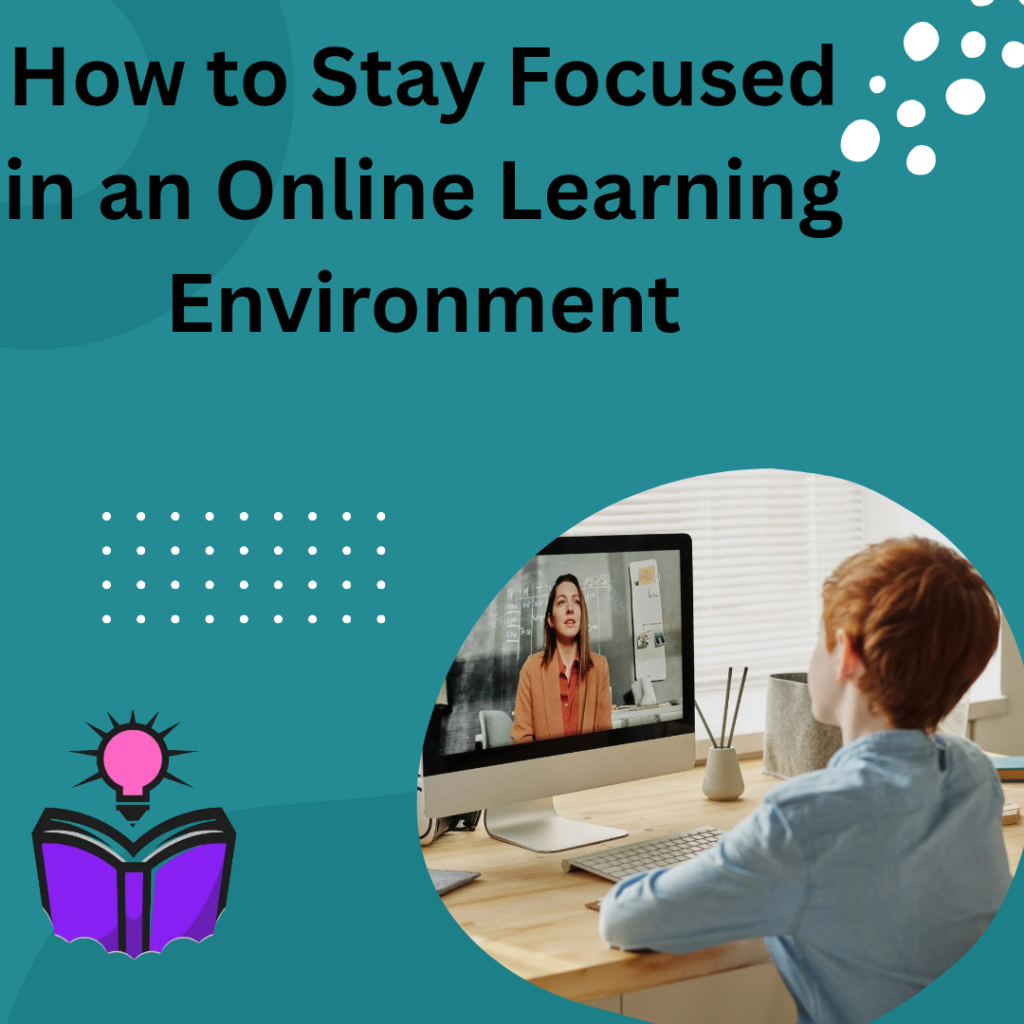
Online learning has transformed education across the United States, offering flexibility, accessibility, and convenience for students of all ages. Whether you’re a college student attending virtual lectures, a professional taking certification courses, or a high school learner navigating remote classes, the ability to stay focused in an online learning environment is essential for success.
However, staying focused while learning online is not always easy. Distractions are everywhere—social media, household responsibilities, notifications, and even the temptation to multitask. Without the structure of a physical classroom, maintaining attention requires intentional effort and smart strategies.
This guide will walk you through practical, effective ways to stay focused in an online learning environment, helping you improve productivity, retain information, and enjoy the learning process.
Understanding Why Focus Is Difficult Online
Before diving into solutions, it’s important to understand why staying focused during online learning can be challenging.
In a traditional classroom, the environment is designed for learning. There’s a teacher guiding the session, classmates participating, and fewer personal distractions. Online learning, on the other hand, often happens in spaces associated with relaxation—like your bedroom or living room.
Additionally, digital devices are double-edged swords. While they provide access to learning platforms, they also bring constant interruptions. Notifications, emails, and entertainment options are just a click away. Over time, this can train your brain to seek quick rewards instead of sustained concentration.
Another factor is the lack of accountability. When no one is physically watching, it becomes easier to drift off, skip lessons, or procrastinate.
Recognizing these challenges is the first step toward overcoming them.
Create a Dedicated Learning Space
One of the most effective ways to improve focus is to establish a dedicated study environment. Your brain associates specific spaces with specific activities. If you study in the same place where you relax or sleep, your mind may struggle to switch into “focus mode.”
Choose a quiet, comfortable area in your home that is used only for studying. It doesn’t need to be a separate room—a small desk in a corner can work just as well. The key is consistency.
Make sure your study space has:
- Good lighting to reduce eye strain
- A comfortable chair that supports proper posture
- Minimal clutter to avoid visual distractions
- Easy access to your study materials
When you sit in this space, your brain will gradually recognize that it’s time to concentrate.
Build a Consistent Study Routine
Consistency is powerful when it comes to focus. In the United States, where daily schedules can vary widely, especially for working students or parents, creating a routine helps establish structure.
Set specific times each day for studying or attending online classes. Treat these sessions like in-person commitments—non-negotiable and important.
For example, you might decide to:
- Watch lectures in the morning
- Review notes in the afternoon
- Complete assignments in the evening
Over time, your brain will adapt to this schedule, making it easier to concentrate during those designated periods.
Set Clear Goals for Each Study Session
A common reason for losing focus is a lack of direction. When you sit down without a clear goal, it’s easy to drift between tasks or get distracted.
Before each study session, define what you want to accomplish. This could be as simple as:
- Completing one lecture
- Reviewing two chapters
- Finishing a specific assignment
Clear goals give your session purpose and make it easier to stay on track. They also provide a sense of accomplishment when completed, which can boost motivation.
Use the Power of Time Blocking
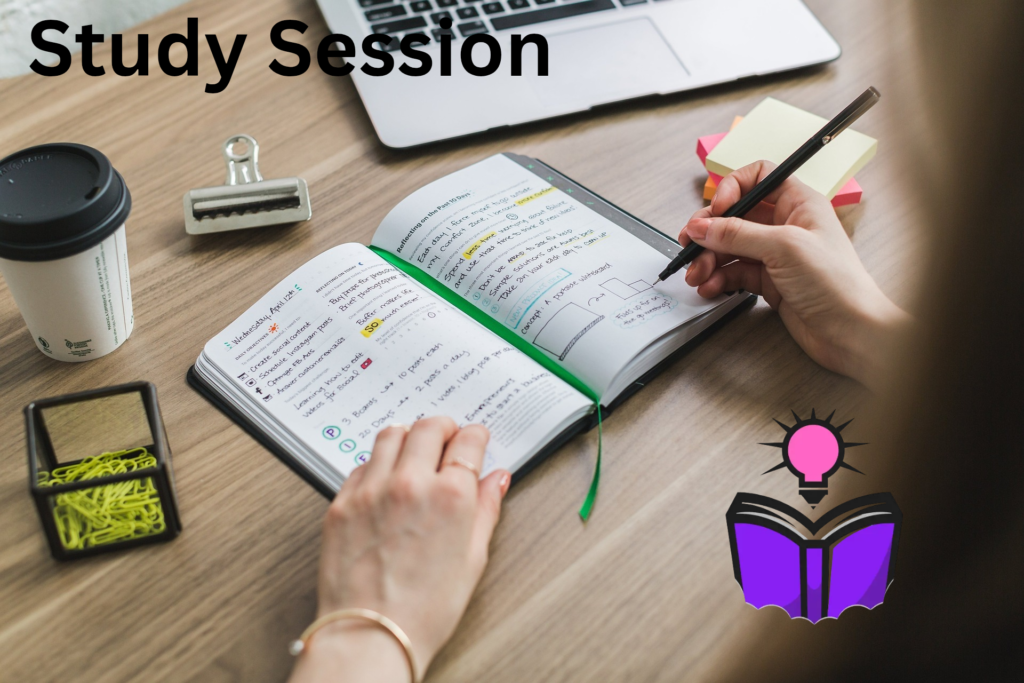
Time blocking is a highly effective method for maintaining focus. Instead of studying for long, undefined periods, break your time into structured intervals.
A popular approach is the 25–30 minute focus session followed by a 5-minute break. After completing several cycles, take a longer break of 15–20 minutes.
This method works because it aligns with how the brain naturally functions. Short bursts of focused effort are more sustainable than long, uninterrupted sessions.
During your focus time, commit fully to your task. During breaks, step away from your workspace—stretch, grab a snack, or take a short walk.
Minimize Digital Distractions
Digital distractions are one of the biggest challenges in online learning. Notifications, social media, and emails can quickly derail your concentration.
Start by turning off non-essential notifications on your phone and computer during study sessions. Consider using apps or browser extensions that block distracting websites temporarily.
Place your phone out of reach or in another room if possible. Even the presence of a phone can reduce focus, as your brain anticipates potential interruptions.
If you need your device for studying, keep only the necessary tabs open. Avoid multitasking, as it reduces efficiency and increases mental fatigue.
Engage Actively With the Material
Passive learning—such as simply watching a lecture or reading without interaction—can make it difficult to stay focused.
Instead, engage actively with the material. Take notes, highlight key points, and ask questions as you go. Pause videos to reflect or summarize what you’ve learned.
You can also:
- Rewrite concepts in your own words
- Teach the material to someone else
- Create flashcards or mind maps
Active engagement keeps your brain involved, making it less likely to wander.
Take Care of Your Physical Health
Focus is not just a mental skill—it’s deeply connected to your physical well-being.
Getting enough sleep is essential. Many students in the United States juggle work, school, and personal responsibilities, often sacrificing rest. However, sleep deprivation significantly reduces concentration and memory.
Aim for 7–9 hours of sleep per night. Additionally, maintain a balanced diet and stay hydrated. Even mild dehydration can affect cognitive performance.
Regular physical activity also plays a role. Exercise improves blood flow to the brain, enhances mood, and increases energy levels—all of which support better focus.

Break Large Tasks Into Smaller Steps
Large assignments or complex subjects can feel overwhelming, leading to procrastination and loss of focus.
To avoid this, break tasks into smaller, manageable steps. Instead of thinking, “I need to write a 10-page paper,” break it down into:
- Research topic
- Create outline
- Write introduction
- Draft sections
- Edit and revise
Each small step feels more achievable, helping you maintain momentum and stay focused.
Stay Connected With Others
Online learning can sometimes feel isolating, which can impact motivation and focus.
Stay connected with classmates, instructors, or study groups. Participate in discussion forums, join virtual study sessions, or reach out when you need help.
Having a sense of community can increase accountability and make the learning experience more engaging.
Even a quick check-in with a classmate can help you stay on track and motivated.
Use Rewards to Stay Motivated
Motivation plays a big role in focus. One effective way to maintain motivation is to use rewards.
Set up a system where you reward yourself after completing tasks or study sessions. The reward doesn’t have to be big—it could be:
- Watching an episode of your favorite show
- Enjoying a snack
- Taking a short break on social media
Knowing there’s something to look forward to can make it easier to stay focused during your study time.
Practice Mindfulness and Mental Clarity
Sometimes, the biggest distractions come from within—wandering thoughts, stress, or anxiety.
Practicing mindfulness can help you stay present and focused. Simple techniques like deep breathing or short meditation sessions can improve concentration.
If your mind starts to wander during studying, gently bring your attention back to the task without judgment. Over time, this practice strengthens your ability to focus.
Adapt Your Learning Style
Not everyone learns the same way. Understanding your learning style can help you stay engaged and focused.
If you’re a visual learner, use diagrams, charts, and videos. If you learn better through listening, try recorded lectures or podcasts. If you prefer hands-on learning, incorporate practice exercises or real-world applications.
Adapting your study methods to match your strengths makes learning more enjoyable and effective.
Avoid Multitasking
Multitasking may feel productive, but it often leads to reduced focus and lower-quality work.
When you try to do multiple things at once—like watching a lecture while scrolling through your phone—your brain constantly switches between tasks. This reduces efficiency and increases errors.
Instead, focus on one task at a time. Give it your full attention, complete it, and then move on to the next.
Track Your Progress
Tracking your progress can help you stay focused and motivated over time.
Keep a record of what you’ve completed, whether it’s lectures watched, chapters read, or assignments finished. Seeing your progress visually can boost confidence and encourage consistency.
It also helps you identify patterns—such as when you’re most productive or where you tend to lose focus.
Know When to Take a Break
Pushing yourself too hard can lead to burnout, which makes focusing even more difficult.
Pay attention to your energy levels. If you find yourself rereading the same sentence or zoning out, it’s time for a break.
Taking short, intentional breaks can refresh your mind and improve overall productivity.
Stay Flexible and Adjust When Needed
Finally, remember that no single strategy works for everyone. What works for one person may not work for another.
Be willing to experiment and adjust your approach. If something isn’t helping you stay focused, try a different method.
Online learning is a dynamic experience, and your strategies should evolve with your needs.

Final Thoughts
Staying focused in an online learning environment is a skill that can be developed with the right approach. By creating a structured routine, minimizing distractions, engaging actively with your studies, and taking care of your well-being, you can significantly improve your concentration and productivity.
Online education offers incredible opportunities, especially for learners across the United States who need flexibility and access to diverse programs. With the right mindset and strategies, you can make the most of this experience and achieve your academic goals.
Focus is not about perfection—it’s about consistency. Small, intentional changes can lead to big improvements over time. Start with one or two strategies from this guide, build gradually, and watch your ability to stay focused grow stronger each day.