
How to Integrate EdTech into Your Curriculum: A Practical Guide for U.S. Educators
Education in the United States is evolving faster than ever, driven by rapid technological advancements and shifting expectations from students, parents, and institutions. Integrating educational technology (EdTech) into your curriculum is no longer optional—it’s essential for preparing students for a digital-first world. But successful integration goes beyond simply adding devices or software; it requires thoughtful planning, strategic alignment with learning goals, and a focus on student engagement.
This guide walks you through how to effectively integrate EdTech into your curriculum in a way that enhances learning outcomes, supports diverse learners, and keeps students actively engaged.

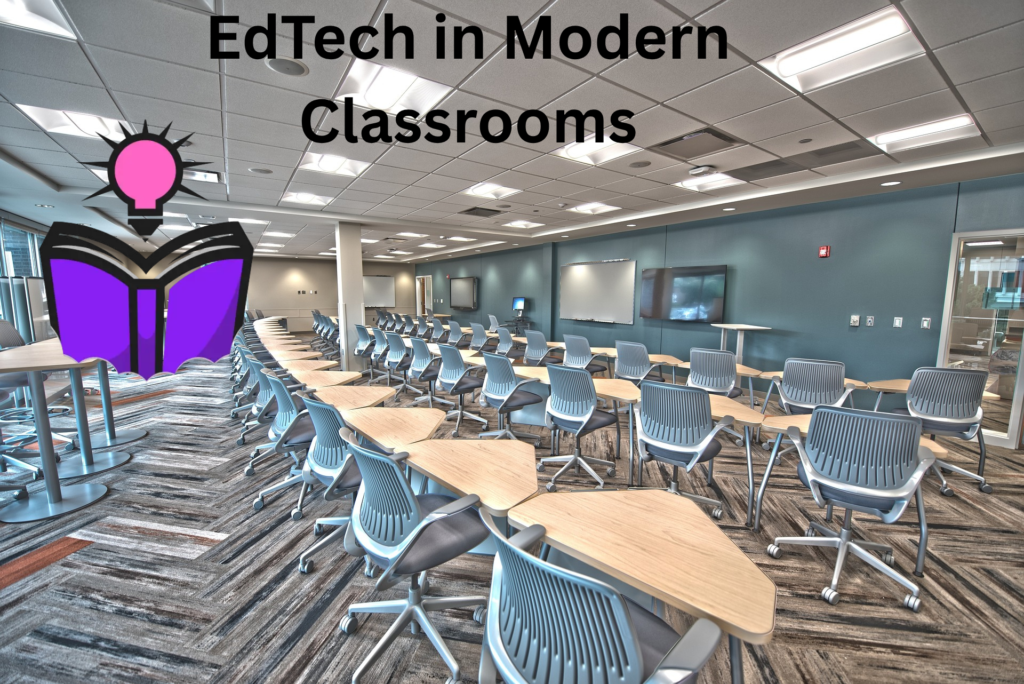
Understanding the Role of EdTech in Modern Classrooms
EdTech refers to the use of digital tools, platforms, and resources to support teaching and learning. In U.S. classrooms, this can include learning management systems, interactive apps, virtual labs, digital assessments, and AI-powered tools.
The goal of EdTech is not to replace teachers but to enhance instruction. When used effectively, it can personalize learning, provide real-time feedback, and foster collaboration in ways traditional methods cannot.
For example, a middle school science teacher might use simulations to demonstrate complex concepts like ecosystems, while a high school English teacher might use collaborative writing tools to improve peer feedback.
The key is to align technology with educational outcomes rather than using it for its own sake.
Start with Clear Learning Objectives
Before introducing any technology into your curriculum, it’s critical to define what you want your students to achieve. Technology should serve your learning goals—not the other way around.
Ask yourself:
- What skills or knowledge should students gain?
- How can technology enhance or deepen this learning?
- Will it make the content more accessible or engaging?
For instance, if your goal is to improve critical thinking, you might integrate discussion platforms that encourage debate and reflection. If your focus is on skill mastery, adaptive learning tools can help tailor lessons to individual student needs.
When your objectives are clear, it becomes much easier to choose the right tools and measure their effectiveness.
Choose the Right Tools for Your Classroom
Not all EdTech tools are created equal, and what works in one classroom may not work in another. U.S. educators have access to thousands of tools, but selecting the right ones requires careful consideration.
Focus on tools that are:
- Easy to use for both teachers and students
- Compatible with your existing systems
- Aligned with curriculum standards (such as Common Core or state-specific standards)
- Supportive of diverse learning needs, including students with disabilities
For example, interactive platforms can make math lessons more engaging, while multimedia tools can help bring history lessons to life. The best tools are those that seamlessly integrate into your teaching style rather than disrupt it.
Avoid overwhelming students with too many platforms. Consistency and simplicity often lead to better adoption and outcomes.
Build Digital Literacy for Both Teachers and Students
One of the biggest challenges in EdTech integration is ensuring that both educators and students are comfortable using the technology.
Teachers need professional development that goes beyond basic training. They should understand not just how to use a tool, but how to apply it pedagogically. This includes designing lessons, managing digital classrooms, and interpreting data generated by EdTech platforms.
Students, on the other hand, need guidance on how to use technology responsibly and effectively. Digital literacy includes:
- Evaluating online information
- Practicing safe internet habits
- Communicating appropriately in digital environments
In U.S. classrooms, where students often have varying levels of access and experience with technology, building these skills is essential for equitable learning.

Integrate EdTech Gradually
Trying to overhaul your entire curriculum at once can lead to frustration and burnout. Instead, start small and build momentum over time.
Begin by integrating one or two tools into a single unit or lesson. Observe how students respond, gather feedback, and refine your approach before expanding further.
For example, you might start by using an online quiz platform for formative assessments. Once you’re comfortable, you can add collaborative tools or multimedia projects.
This gradual approach allows you to:
- Identify what works and what doesn’t
- Build confidence in using technology
- Minimize disruption to your teaching routine
Over time, these small changes can lead to a fully integrated digital curriculum.
Personalize Learning Through Technology
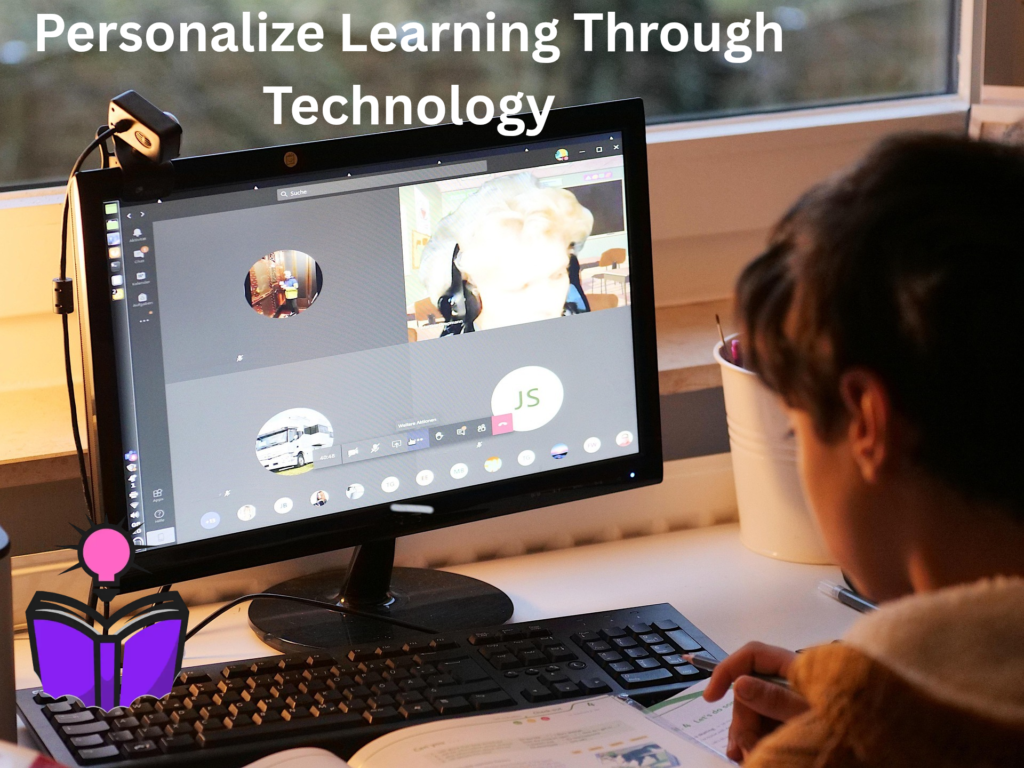
One of the most powerful benefits of EdTech is its ability to personalize learning. In a typical U.S. classroom, students have diverse abilities, backgrounds, and learning styles. Technology can help address these differences more effectively than traditional methods.
Adaptive learning platforms adjust content based on student performance, providing additional support where needed and advanced challenges for those who are ready.
Teachers can also use data analytics to track progress and identify gaps in understanding. This allows for targeted interventions and more meaningful instruction.
For example, a teacher might use data from a reading platform to group students by skill level and assign tailored activities. This ensures that every student is learning at an appropriate pace.
Encourage Collaboration and Engagement
EdTech can transform passive learning into active participation. Interactive tools enable students to collaborate, share ideas, and engage with content in dynamic ways.
In U.S. classrooms, where engagement is a key factor in student success, this can make a significant difference.
Consider incorporating:
- Group projects using shared digital workspaces
- Discussion boards for peer interaction
- Multimedia presentations that allow creativity
When students are actively involved in their learning, they are more likely to retain information and develop critical thinking skills.
Gamification is another effective strategy. Adding elements like points, badges, and challenges can motivate students and make learning more enjoyable.
Ensure Accessibility and Equity
Equity is a major consideration in EdTech integration, especially in the United States, where access to technology can vary widely.
Not all students have reliable internet access or personal devices at home. Schools must consider these disparities when implementing digital tools.
To promote equity:
- Choose tools that work on multiple devices, including smartphones
- Provide offline options when possible
- Coordinate with school administrators to ensure device availability
Accessibility is equally important. EdTech tools should support students with disabilities by offering features like screen readers, captions, and customizable interfaces.
By prioritizing inclusivity, you ensure that all students benefit from technology—not just those with the most resources.
Align with Curriculum Standards and Policies
In the U.S., education is guided by state and federal standards, as well as district-level policies. Any EdTech integration must align with these requirements.
This includes:
- Meeting academic standards
- Protecting student data and privacy (such as compliance with FERPA and COPPA)
- Following district guidelines for technology use
When selecting tools, ensure they are compliant with these regulations. This not only protects students but also builds trust with parents and administrators.
Use Data to Drive Instruction
One of the biggest advantages of EdTech is access to real-time data. Teachers can track student performance, identify trends, and adjust instruction accordingly.
Instead of waiting for end-of-term assessments, you can monitor progress continuously and provide immediate feedback.
For example, if a majority of students struggle with a particular concept, you can revisit it using a different approach. If certain students excel, you can offer enrichment activities.
Data-driven instruction leads to more effective teaching and better student outcomes.
Foster a Growth Mindset
Integrating EdTech requires a willingness to experiment and adapt. Not every tool will work perfectly, and that’s okay.
Encourage a growth mindset among both teachers and students. View challenges as opportunities to learn and improve.
Teachers should feel comfortable trying new approaches, while students should be encouraged to explore and take ownership of their learning.
In many U.S. schools, this cultural shift is just as important as the technology itself.
Engage Parents and the Wider Community
Parents play a crucial role in supporting student learning, especially when technology is involved.
Keep parents informed about the tools being used and how they can support their children at home. Provide clear instructions and resources to help them navigate digital platforms.
Schools can also host workshops or informational sessions to build community understanding of EdTech.
When parents are engaged, students are more likely to succeed.
Evaluate and Refine Your Approach
EdTech integration is an ongoing process, not a one-time initiative. Regularly evaluate the effectiveness of your tools and strategies.
Gather feedback from students, colleagues, and administrators. Analyze data to determine what’s working and what needs improvement.
Ask questions like:
- Are students more engaged?
- Are learning outcomes improving?
- Is the technology enhancing or hindering instruction?
Use this information to refine your approach and make informed decisions moving forward.
Future Trends in EdTech Integration
Looking ahead, EdTech will continue to evolve, offering new opportunities for innovation in U.S. classrooms.
Emerging trends include:
- Artificial intelligence for personalized learning
- Virtual and augmented reality for immersive experiences
- Microlearning and mobile-first education
- Increased focus on social-emotional learning through digital tools
Staying informed about these trends can help educators remain adaptable and forward-thinking.
Final Thoughts
Integrating EdTech into your curriculum is not about replacing traditional teaching methods—it’s about enhancing them. When done thoughtfully, technology can make learning more engaging, personalized, and effective.
For U.S. educators, the key is to start with clear goals, choose the right tools, and continuously adapt based on student needs. By focusing on accessibility, collaboration, and data-driven instruction, you can create a dynamic learning environment that prepares students for the future.
The journey may require time and effort, but the rewards are well worth it. A well-integrated EdTech curriculum doesn’t just improve academic outcomes—it empowers students to become confident, capable learners in a digital world.