How Gen Z is Shaping the Future of Education
Education has always evolved alongside society, but the pace of change today is unlike anything we’ve seen before. At the center of this transformation is Generation Z—those born roughly between the late 1990s and early 2010s. As digital natives who grew up with smartphones, social media, and on-demand information, Gen Z is not just participating in education—they are actively reshaping it.
In the United States, where education systems are already under pressure to modernize, Gen Z’s expectations, behaviors, and values are driving significant shifts in how learning is delivered, consumed, and evaluated. From classrooms to online platforms, from career paths to credentialing, this generation is redefining what it means to be educated.
A Digital-First Mindset
Unlike previous generations, Gen Z has never known a world without the internet. This has fundamentally changed how they approach learning. Traditional lectures and textbooks are no longer enough to hold their attention. Instead, they gravitate toward interactive, visual, and tech-enabled formats.
Short-form videos, gamified learning apps, and AI-powered tools are becoming integral to the educational experience. Platforms that allow students to learn at their own pace—rewinding, pausing, and revisiting concepts—are particularly appealing. This shift is pushing schools and universities across the U.S. to rethink their delivery methods.
Blended learning models, which combine in-person instruction with online components, are becoming more common. Gen Z students expect seamless integration between digital and physical learning environments. They want the flexibility to access materials anytime, anywhere, and on any device.
Demand for Personalization
One of the most defining characteristics of Gen Z learners is their desire for personalized education. They are less willing to accept one-size-fits-all approaches and more interested in learning paths tailored to their individual needs, interests, and career goals.
Adaptive learning technologies are responding to this demand. These systems analyze student performance in real time and adjust content accordingly. For example, if a student struggles with a concept, the system provides additional resources or alternative explanations. If they excel, it moves them forward more quickly.
This level of customization is transforming expectations. Students are beginning to see education not as a standardized journey, but as a personalized experience. Schools that fail to adapt risk losing engagement and relevance.
The Rise of Skills Over Degrees
For decades, a college degree was considered the primary pathway to success in the United States. Gen Z is challenging that assumption. While many still pursue higher education, there is a growing emphasis on skills rather than credentials.
This shift is influenced by several factors. Rising tuition costs, student debt concerns, and rapidly changing job markets have made traditional degree programs less appealing for some students. At the same time, alternative pathways—such as online certifications, bootcamps, and vocational training—are gaining credibility.
Employers are also beginning to prioritize skills-based hiring. Many companies are placing greater emphasis on what candidates can do rather than where they studied. This aligns perfectly with Gen Z’s practical, results-oriented mindset.
As a result, educational institutions are being pushed to offer more career-relevant programs. Partnerships with industry, internships, and project-based learning are becoming essential components of modern education.
A Focus on Real-World Relevance
Gen Z learners are highly pragmatic. They want to understand how what they are learning applies to the real world. Abstract theories without clear applications often fail to resonate.
This has led to an increased emphasis on experiential learning. Internships, apprenticeships, and hands-on projects are no longer optional—they are expected. Students want opportunities to apply their knowledge in real-world settings and gain practical experience before entering the workforce.
In response, many U.S. schools and universities are integrating real-world challenges into their curricula. Case studies, simulations, and collaborative projects with businesses are becoming more common. These approaches not only enhance learning but also help students build valuable skills such as critical thinking, problem-solving, and teamwork.
Mental Health and Well-Being
Another area where Gen Z is influencing education is in the prioritization of mental health. This generation is more open about discussing mental health challenges and more proactive in seeking support.
In the past, mental health was often overlooked in educational settings. Today, it is becoming a central concern. Students are advocating for better resources, including counseling services, wellness programs, and more flexible academic policies.
This shift is prompting institutions across the United States to take a more holistic approach to education. Academic success is no longer the only metric that matters—student well-being is equally important.
Flexible deadlines, reduced course loads, and mental health days are becoming more common. Educators are also receiving training to better support students’ emotional needs. These changes reflect a broader understanding that learning cannot happen effectively without mental well-being.
Diversity, Equity, and Inclusion
Gen Z is the most diverse generation in U.S. history, and they bring strong expectations for inclusivity into educational spaces. They value representation, equity, and social justice, and they expect institutions to reflect these values.
This is leading to meaningful changes in curricula, policies, and campus culture. Schools are revisiting course materials to include more diverse perspectives. Discussions around race, gender, and identity are becoming more prominent in classrooms.
Students are also advocating for equitable access to education. Issues such as affordability, digital access, and systemic barriers are being brought to the forefront. Gen Z is not just asking for change—they are demanding it.
Educational institutions that embrace diversity and inclusion are more likely to attract and retain Gen Z students. Those that resist risk becoming outdated and disconnected from the realities of modern society.
The Influence of Technology and AI
Technology is not just a tool for Gen Z—it is an integral part of their lives. This has significant implications for education.
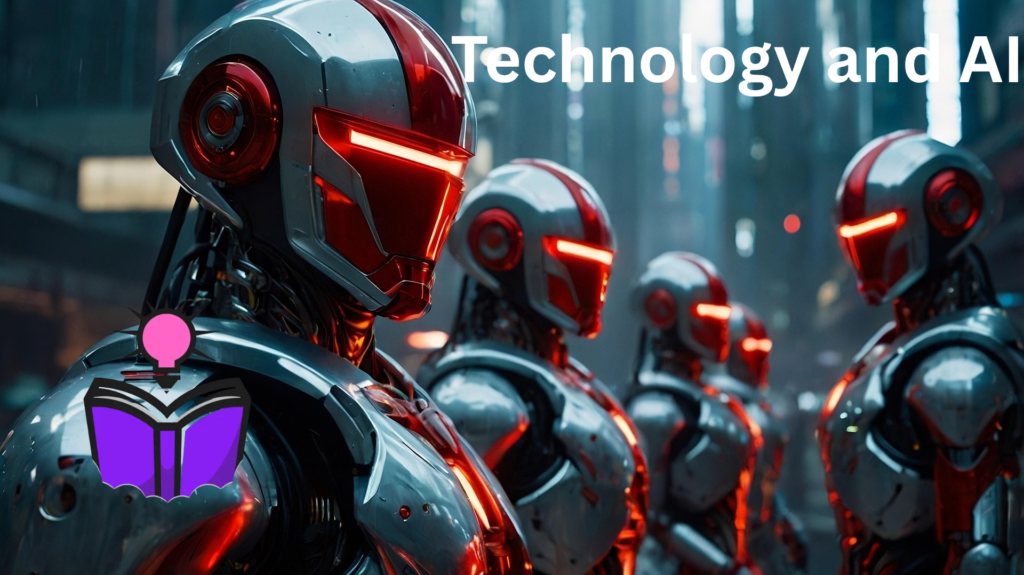
Artificial intelligence, virtual reality, and augmented reality are beginning to transform how students learn. AI tutors can provide instant feedback, while VR can create immersive learning experiences that were previously impossible.
For example, students can explore historical events in a virtual environment or conduct science experiments in a simulated lab. These technologies make learning more engaging and accessible.
However, the rise of technology also raises important questions. Issues such as data privacy, digital equity, and the role of human educators are becoming increasingly relevant. Gen Z is aware of these challenges and expects institutions to address them responsibly.
Social Learning and Collaboration
Despite their strong connection to technology, Gen Z values collaboration and social interaction. They are used to connecting with others online and often prefer collaborative learning environments.
Group projects, peer-to-peer learning, and online communities are all important components of their educational experience. Social media platforms and discussion forums are being used as learning tools, allowing students to share ideas and resources.
This shift is encouraging educators to move away from traditional lecture-based teaching and toward more interactive approaches. Classrooms are becoming spaces for discussion, collaboration, and active participation.
Lifelong Learning as a Norm
For Gen Z, education does not end with a diploma. They recognize that in a rapidly changing world, continuous learning is essential.
This mindset is driving the growth of lifelong learning platforms and micro-credentialing. Instead of committing to long-term programs, many learners prefer shorter, more flexible courses that allow them to update their skills as needed.
In the United States, this trend is influencing both higher education and workforce development. Universities are offering more online courses and certificate programs, while employers are investing in employee training and development.
Gen Z’s approach to learning reflects a broader shift toward adaptability and resilience. They understand that careers are no longer linear and that staying relevant requires ongoing education.
Redefining the Role of Educators
As Gen Z reshapes education, the role of educators is also evolving. Teachers are no longer just sources of information—they are facilitators, mentors, and guides.
With information readily available online, the value of educators lies in their ability to provide context, support critical thinking, and foster meaningful discussions. They help students navigate complex topics, evaluate sources, and develop their own perspectives.
This shift requires new skills and approaches. Educators must be comfortable with technology, open to change, and responsive to student needs. Professional development and training are becoming increasingly important.
The Future of Classrooms
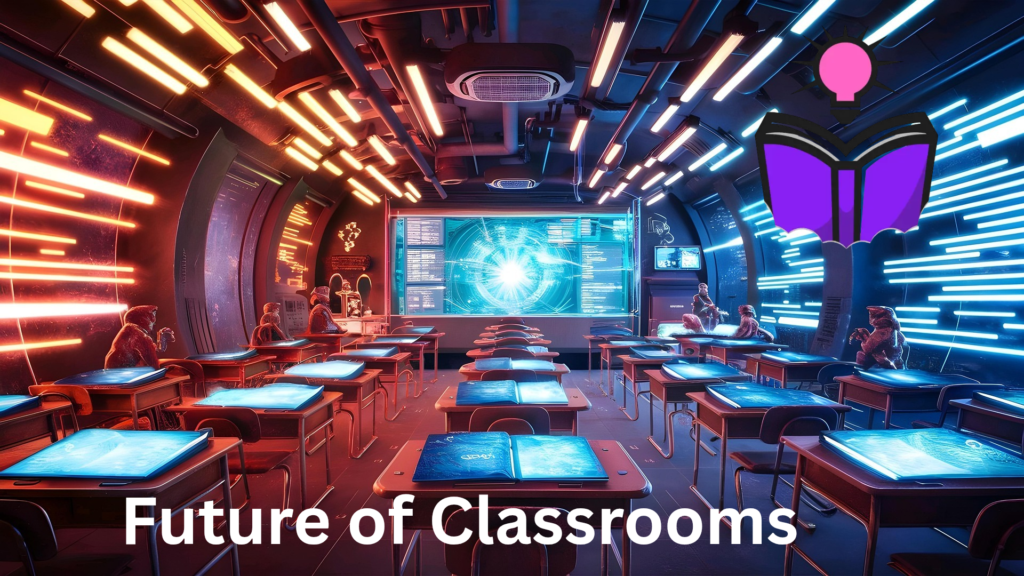
The traditional classroom is undergoing a transformation. Rows of desks facing a blackboard are being replaced by flexible, dynamic learning spaces.
Modern classrooms are designed to support collaboration, creativity, and technology integration. They often include movable furniture, interactive displays, and dedicated areas for group work.
Remote and hybrid learning options are also becoming permanent features of the education landscape. The COVID-19 pandemic accelerated this trend, but Gen Z’s preferences are ensuring its استمرار.
Students appreciate the flexibility and accessibility of online learning, but they also value in-person interaction. The future of education will likely involve a balance between the two.
Career Readiness and Entrepreneurship
Gen Z is highly entrepreneurial. Many young people are starting businesses, freelancing, or exploring creative careers at an early age. This entrepreneurial spirit is influencing education in significant ways.
Students want to learn skills that enable them to create opportunities rather than just seek employment. Financial literacy, digital marketing, and business management are becoming increasingly important areas of study.
Schools and universities are responding by offering entrepreneurship programs, startup incubators, and mentorship opportunities. These initiatives help students turn their ideas into reality and prepare them for a changing job market.
The Power of Student Voice
Perhaps the most important way Gen Z is shaping education is through their willingness to speak up. They are not passive participants—they are active contributors to the conversation.
Through social media, student organizations, and activism, they are influencing policies and driving change. Whether it’s advocating for mental health resources, pushing for curriculum reform, or demanding greater inclusivity, their voices are being heard.
This increased student agency is transforming the relationship between learners and institutions. Education is becoming more collaborative, with students playing a key role in shaping their own experiences.
Challenges and Opportunities
While the influence of Gen Z brings many positive changes, it also presents challenges. Not all institutions have the resources to implement new technologies or redesign curricula. There is also a risk of widening the gap between those who have access to advanced tools and those who do not.
Balancing innovation with equity is a critical issue. Ensuring that all students have access to quality education—regardless of their background—is essential.
At the same time, the opportunities are immense. By embracing Gen Z’s values and preferences, the U.S. education system can become more inclusive, flexible, and effective.
Conclusion
Gen Z is not just the future of education—they are its present. Their expectations are reshaping every aspect of the learning experience, from how content is delivered to how success is defined.
In the United States, this transformation is already underway. Schools, colleges, and educators that adapt to these changes will be better positioned to engage students and prepare them for the challenges ahead.
The impact of Gen Z goes beyond technology and innovation. It reflects a deeper shift toward personalization, inclusivity, and lifelong learning. As this generation continues to grow and evolve, their influence will only become stronger.
Education, once a rigid and standardized system, is becoming more dynamic and student-centered. And at the heart of this transformation is a generation that refuses to settle for the status quo.
The future of education is being written right now—and Gen Z is holding the pen.