
How to Study for an Exam Without Cramming: A Smarter, Stress-Free Approach
Studying for exams doesn’t have to mean late-night panic, endless coffee, and trying to memorize everything at once. While cramming might feel productive in the moment, it often leads to stress, burnout, and poor retention. If you’re tired of last-minute studying and want a more effective, sustainable way to prepare, you’re in the right place.
This guide will walk you through how to study for an exam without cramming—using strategies that actually work, improve memory, and help you feel more confident on test day.

Why Cramming Doesn’t Work
Cramming is tempting because it gives the illusion of productivity. You spend hours reviewing material right before an exam, hoping it sticks. But the reality is, your brain isn’t designed to retain large amounts of information in a short time.
When you cram, you rely on short-term memory. That means you might remember enough to get through the test, but you’ll likely forget most of it soon after. Even worse, stress and fatigue can make it harder to focus, understand concepts, or recall information when you need it most.
Studying without cramming isn’t just about being more organized—it’s about working with your brain, not against it.
Start Early: The Foundation of Effective Studying
The most important step in avoiding cramming is simple: start early.
This doesn’t mean studying for hours every day weeks in advance. Instead, it’s about spreading your study sessions over time. This technique, often called spaced learning, allows your brain to gradually absorb and retain information.
For example, instead of studying for five hours the night before an exam, you might study for one hour a day over five days. This approach improves retention and reduces stress significantly.
Starting early also gives you time to identify what you don’t understand. That way, you can ask questions, review difficult topics, and strengthen your weak areas before it’s too late.
Create a Realistic Study Plan
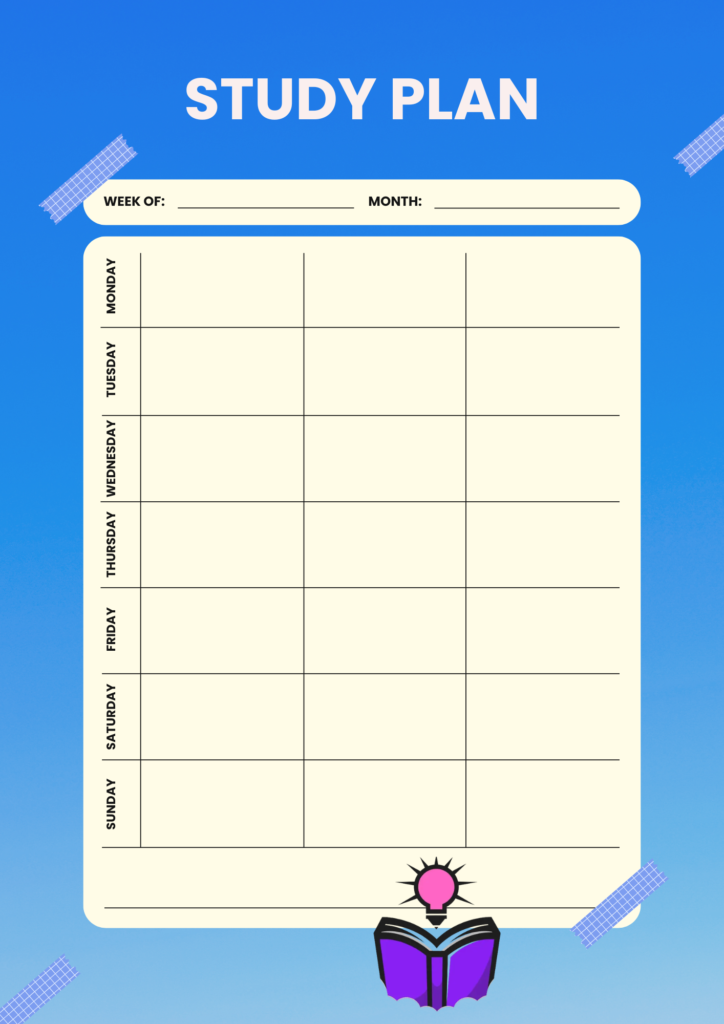
Once you decide to start early, the next step is to create a study plan. A good plan keeps you on track and prevents last-minute chaos.
Begin by breaking down the material into manageable sections. Look at your syllabus or exam topics and divide them into daily or weekly goals. Be realistic about how much you can cover in one session.
Instead of saying, “I’ll study biology tonight,” be specific: “I’ll review chapters 3 and 4 and complete practice questions.”
Your plan should also include breaks and time for rest. Studying for hours without stopping can lead to fatigue and reduced focus. A balanced schedule helps you stay consistent and productive.
Use Active Learning Techniques
One of the biggest mistakes students make is relying on passive studying methods like rereading notes or highlighting textbooks. While these methods feel easy, they’re not very effective for long-term learning.
Active learning requires you to engage with the material. It pushes your brain to process and understand information rather than just recognize it.
Try techniques like explaining concepts in your own words, teaching the material to someone else, or writing summaries from memory. These methods strengthen understanding and improve recall.
Another powerful strategy is self-testing. Instead of simply reviewing notes, quiz yourself regularly. Practice questions, flashcards, or even writing down everything you remember about a topic can help reinforce learning.
Break Study Sessions Into Focused Blocks
Long, unstructured study sessions can quickly become unproductive. Your attention starts to drift, and you retain less information.
Instead, divide your study time into focused blocks. A popular method is studying for 25 to 50 minutes, followed by a short break. During your study block, eliminate distractions and focus on a specific task.
After the session, take a 5–10 minute break to recharge. Step away from your desk, stretch, or grab a snack. This helps maintain energy and focus over longer periods.
By working in shorter, intentional bursts, you can study more efficiently without feeling overwhelmed.
Understand, Don’t Memorize
Memorization might help you pass a test, but understanding helps you truly learn.
When you focus on understanding, you can apply knowledge to different questions and situations. This is especially important for exams that test critical thinking rather than simple recall.
Ask yourself questions like:
- Why does this concept work this way?
- How does this idea connect to what I’ve already learned?
- Can I explain this to someone with no background knowledge?
When you understand the material, you don’t need to rely on last-minute memorization. The information becomes easier to recall because it makes sense.
Use Practice Tests to Your Advantage
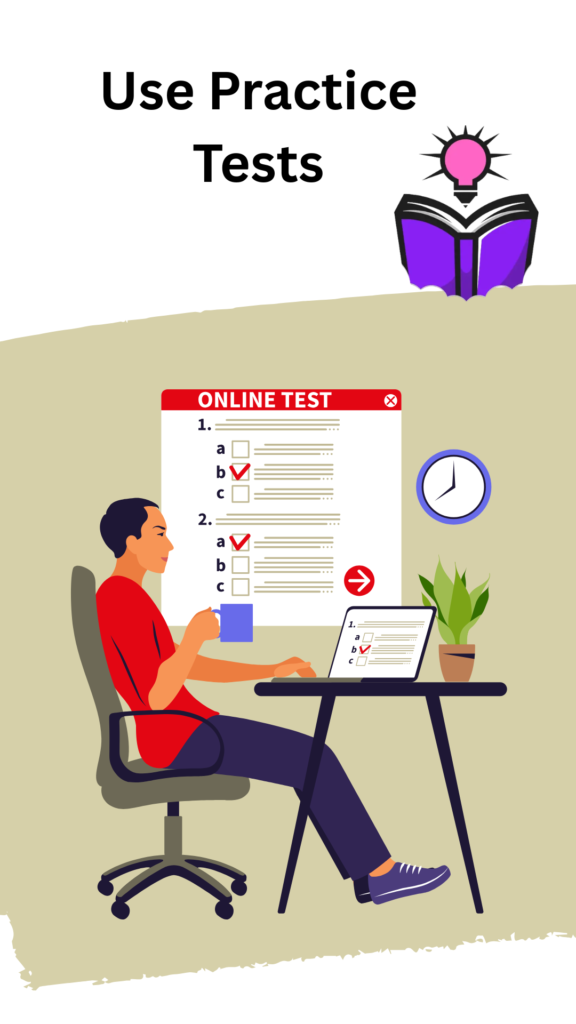
Practice tests are one of the most effective ways to prepare for an exam without cramming.
They help you get familiar with the format, identify weak areas, and improve time management. More importantly, they force you to retrieve information from memory, which strengthens learning.
Take practice tests under realistic conditions. Set a timer, avoid distractions, and simulate the exam environment as much as possible. Afterward, review your answers carefully.
Pay attention to mistakes. Understanding why you got something wrong is just as important as knowing the correct answer.
Build a Consistent Study Routine
Consistency is key when it comes to avoiding cramming.
Studying a little bit every day is far more effective than studying a lot all at once. When you build a routine, studying becomes a habit rather than a last-minute scramble.
Choose a time of day when you’re most alert and focused. For some people, that’s early morning; for others, it’s late afternoon or evening. Stick to your schedule as much as possible.
Over time, your brain will associate that time with focused work, making it easier to get into a productive mindset.
Minimize Distractions
In today’s world, distractions are everywhere—phones, social media, notifications, and more. Even a quick glance at your phone can break your focus and reduce productivity.
Create a study environment that minimizes distractions. Find a quiet space, keep your workspace organized, and limit interruptions.
Consider turning off notifications or using apps that block distracting websites during study sessions. Let others know when you need uninterrupted time.
When you eliminate distractions, you can accomplish more in less time, making your study sessions more effective.
Take Care of Your Body and Mind
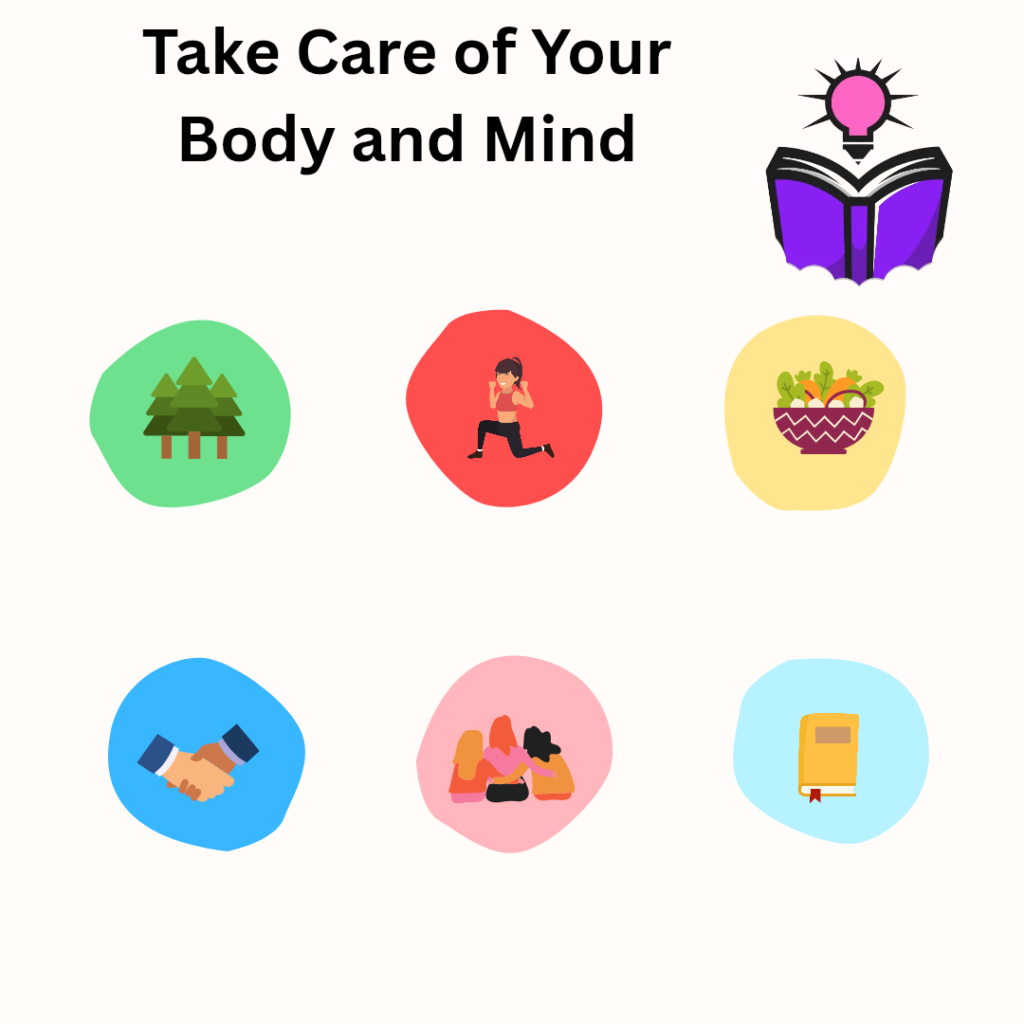
Studying effectively isn’t just about what you do with your books—it’s also about how you take care of yourself.
Sleep, nutrition, and exercise all play a major role in learning and memory. Lack of sleep, in particular, can make it harder to concentrate and retain information.
Aim for consistent, quality sleep, especially in the days leading up to your exam. Eat balanced meals that provide sustained energy, and stay hydrated.
Physical activity, even something as simple as a short walk, can boost mood and improve focus. Taking care of your mental health is just as important as studying.
Review Regularly Instead of All at Once
One of the best ways to avoid cramming is to review material regularly.
Instead of waiting until right before the exam, go back over what you’ve learned periodically. This reinforces memory and helps you retain information over the long term.
For example, you might review notes from earlier in the week or revisit key concepts every few days. This keeps the material fresh in your mind and reduces the need for intense last-minute studying.
Regular review also makes it easier to build connections between topics, deepening your understanding.
Stay Motivated Without Burning Out
Studying over time requires motivation, but it doesn’t have to feel exhausting.
Set small, achievable goals for each session. Completing these goals gives you a sense of progress and keeps you motivated. Celebrate your accomplishments, even if they’re small.
It’s also important to take breaks and avoid overloading yourself. Studying too much without rest can lead to burnout, making it harder to stay consistent.
Find ways to make studying more engaging. Use different methods, change your environment occasionally, or study with a friend when appropriate.
What to Do the Day Before the Exam
If you’ve been studying consistently, the day before your exam should feel manageable—not stressful.
Focus on light review rather than trying to learn new material. Go over key concepts, review summaries, and do a few practice questions.
Avoid the temptation to cram. Trust the work you’ve already done. Instead, prioritize rest and relaxation. Get a good night’s sleep so you’re alert and ready for the exam.
Preparing your materials and planning your schedule for the next day can also help reduce anxiety.
How This Approach Improves Your Results
Studying without cramming doesn’t just make the process easier—it also leads to better results.
When you space out your learning, use active techniques, and focus on understanding, you retain information longer and perform better on exams. You’re also less likely to feel overwhelmed or anxious.
This approach builds skills that go beyond a single test. It helps you develop discipline, time management, and critical thinking—skills that are valuable in school, work, and everyday life.
Final Thoughts
Cramming might seem like a quick fix, but it often creates more problems than it solves. By starting early, staying consistent, and using effective study strategies, you can prepare for exams in a way that’s both productive and sustainable.
The goal isn’t just to pass the test—it’s to truly learn and understand the material while maintaining your well-being.
If you’re ready to move away from last-minute stress and toward smarter studying, start small. Build a plan, stick to it, and trust the process. Over time, you’ll find that studying becomes less overwhelming—and far more effective.