
How to Prepare for Online Learning with the Right Tools
Online learning has transformed the way students and professionals in the United States access education. Whether you’re a college student, a working professional upgrading your skills, or someone exploring a new hobby, virtual learning offers flexibility, convenience, and endless opportunities. However, success in online education doesn’t happen by accident—it requires preparation, structure, and most importantly, the right tools.
In this guide, you’ll discover how to effectively prepare for online learning by setting up your environment, choosing the best tools, and building habits that keep you focused and productive.
Understanding the Online Learning Landscape
Online education has rapidly evolved from simple video lectures to fully interactive, immersive experiences. Today’s platforms offer live classes, recorded sessions, quizzes, discussion boards, and collaborative projects. This means learners must adapt to a digital-first environment where self-discipline and organization play a crucial role.
Unlike traditional classrooms, online learning puts more responsibility on the learner. There’s no physical teacher reminding you to stay focused or classmates keeping you accountable. That’s why having the right tools and setup is essential—it bridges the gap between independence and structure.
Creating the Ideal Learning Environment
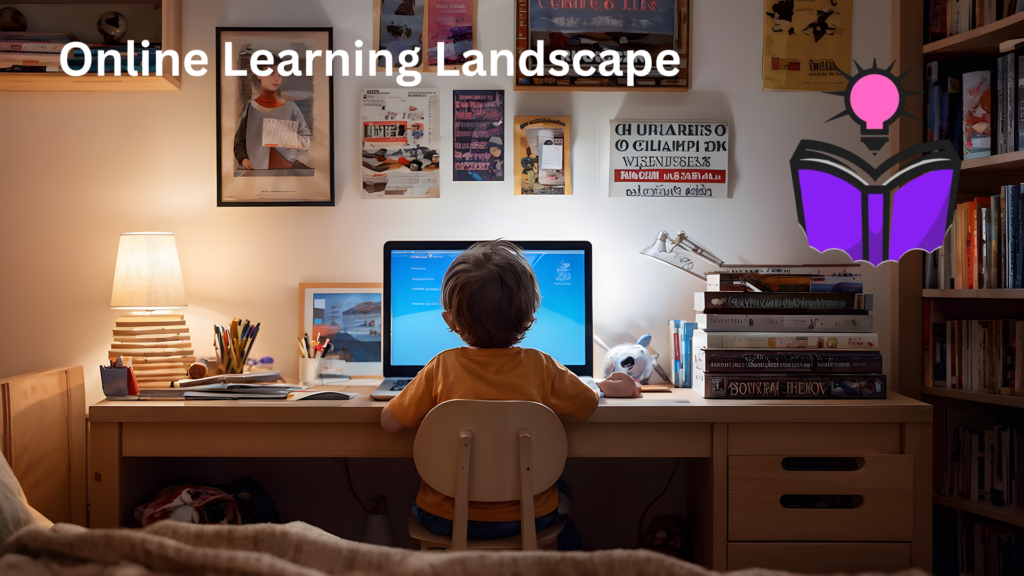
Before diving into apps and software, it’s important to set up a physical and mental space that supports learning. Your environment directly impacts your concentration, productivity, and overall experience.
Choose a quiet, well-lit area in your home where distractions are minimal. This doesn’t have to be a separate room, but it should be a consistent spot where your brain associates the space with learning. A comfortable chair, a stable desk, and proper lighting can make a big difference in how long you can stay focused.
Equally important is minimizing digital distractions. Turn off unnecessary notifications and keep your workspace clutter-free. Preparing your environment signals your brain that it’s time to focus, helping you transition into learning mode more easily.

Choosing the Right Device
Your primary device is the foundation of your online learning experience. Whether it’s a laptop, desktop, or tablet, it needs to support multitasking, video streaming, and productivity tools without lag.
For most learners in the United States, a reliable laptop is the best choice. It allows flexibility and mobility, especially if you prefer switching between study spots. Make sure your device has enough processing power, memory, and battery life to handle video conferencing and multiple browser tabs.
If your courses involve design, coding, or data analysis, investing in a more powerful device will save you frustration in the long run. A slow system can disrupt your workflow and make learning unnecessarily stressful.
Securing a Reliable Internet Connection
A stable internet connection is non-negotiable for online learning. Live classes, video streaming, and downloads all require consistent speed and reliability.
If possible, use a high-speed broadband connection rather than relying solely on mobile data. Position your router in a central location, and consider using a wired connection for important sessions like exams or presentations.
It’s also wise to have a backup plan. Whether it’s a mobile hotspot or access to a nearby public Wi-Fi location, having an alternative ensures you’re never completely disconnected during critical moments.
Essential Software for Online Learning
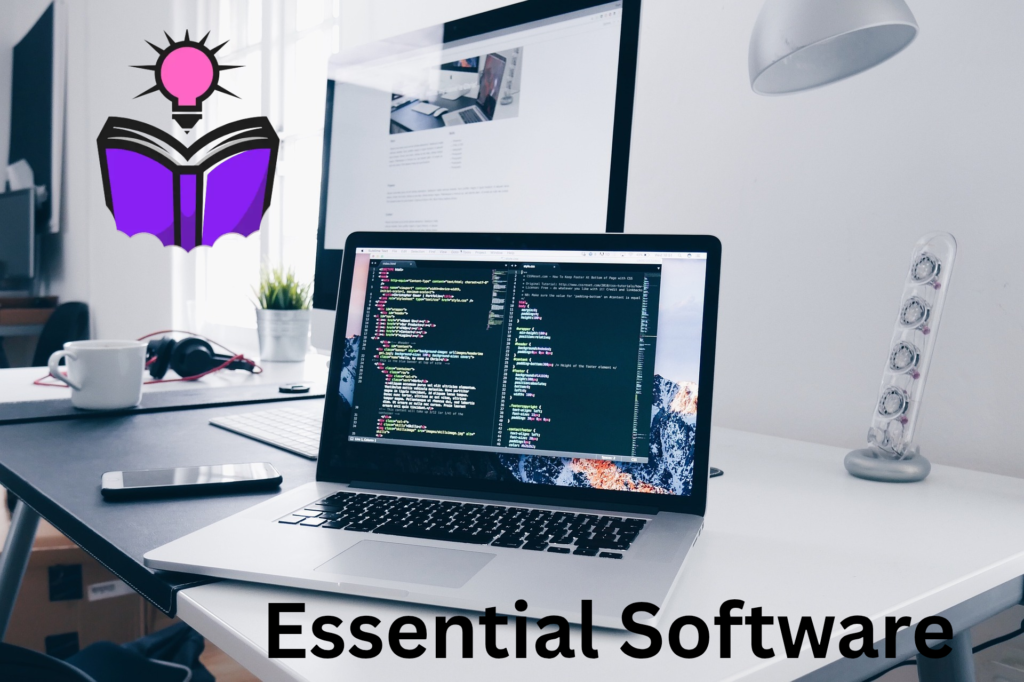
The right software tools can dramatically improve your efficiency and learning experience. Instead of juggling multiple platforms without a system, focus on building a simple, effective toolkit.
A good web browser is your gateway to everything. Keep it updated and organized with bookmarks for quick access to your course materials. Video conferencing tools are equally important, as many courses rely on live interaction. Familiarize yourself with features like screen sharing, chat, and recording.
Cloud storage solutions are another must-have. They allow you to save, access, and share files from anywhere. This ensures you never lose important notes or assignments, even if your device fails.
Word processing and presentation tools help you complete assignments, while PDF readers and annotation apps make it easier to study digital materials. The key is to choose tools that are simple, reliable, and compatible with your course requirements.
Staying Organized with Digital Tools
Organization is one of the biggest challenges in online learning. Without a structured schedule, it’s easy to fall behind.
Start by using a digital calendar to track deadlines, live sessions, and study time. Block out specific hours for learning just like you would for in-person classes. This creates a routine and reduces procrastination.
Task management apps can help you break down assignments into manageable steps. Instead of feeling overwhelmed by a large project, you can focus on completing smaller tasks one at a time.
Note-taking tools are equally valuable. Digital notes are easy to search, edit, and organize, making them far more efficient than traditional notebooks. Over time, you’ll build a personal knowledge base that you can revisit whenever needed.
Improving Focus and Productivity
One of the biggest hurdles in online learning is staying focused. With social media, emails, and other distractions just a click away, maintaining concentration requires intentional effort.
Productivity tools can help you stay on track. Time management techniques like the Pomodoro method encourage you to work in focused intervals followed by short breaks. This prevents burnout and keeps your mind fresh.
You can also use website blockers to limit access to distracting sites during study sessions. These small adjustments can significantly improve your productivity and help you make the most of your time.
Enhancing Communication and Collaboration
Online learning doesn’t mean learning alone. In fact, communication and collaboration are essential for a well-rounded experience.
Discussion boards, group chats, and video calls allow you to connect with classmates and instructors. Actively participating in these interactions helps you understand the material better and builds a sense of community.
Collaboration tools make it easier to work on group projects, share ideas, and provide feedback. Even if you’re studying remotely, these tools create an environment similar to a traditional classroom.
Don’t hesitate to ask questions or seek clarification. Engaging with others not only improves your learning but also keeps you motivated.
Managing Your Time Effectively
Time management is a critical skill for online learners. Without a fixed schedule, it’s easy to procrastinate or lose track of deadlines.
Start by setting clear goals for each week. Identify what you need to accomplish and prioritize tasks based on importance and urgency. Break larger tasks into smaller, manageable pieces to avoid feeling overwhelmed.
Consistency is key. Try to study at the same time each day to build a routine. Over time, this habit will make it easier to stay disciplined and focused.
It’s also important to schedule breaks and downtime. Overworking yourself can lead to burnout, reducing your overall productivity and effectiveness.
Building Strong Study Habits
Online learning requires a proactive approach. Instead of passively watching lectures, you need to engage with the material.
Take notes while watching videos, pause to reflect on key concepts, and review your notes regularly. Practice active learning techniques like summarizing information in your own words or teaching it to someone else.
Set aside time for revision and practice. This reinforces your understanding and prepares you for assessments. The more actively you engage with the material, the more you’ll retain.
Ensuring Cybersecurity and Privacy
When learning online, you’re sharing personal information and accessing multiple platforms. Protecting your data should be a priority.
Use strong, unique passwords for each account and enable two-factor authentication whenever possible. Avoid using public Wi-Fi for sensitive activities unless you’re using a secure connection.
Keep your software and antivirus programs updated to protect against potential threats. Being proactive about cybersecurity ensures a safe and uninterrupted learning experience.
Maintaining Motivation and Discipline
Staying motivated can be challenging, especially when learning remotely. Without a physical classroom environment, it’s easy to lose momentum.
Set clear goals and remind yourself why you started. Whether it’s advancing your career, earning a degree, or learning a new skill, keeping your purpose in mind can boost your motivation.
Reward yourself for completing tasks and reaching milestones. Small incentives can make the learning process more enjoyable and keep you engaged.
Surround yourself with supportive people who encourage your progress. Even a virtual study group can make a big difference in maintaining accountability.
Adapting to Different Learning Styles
Everyone learns differently, and online education offers the flexibility to adapt to your preferred style.
If you’re a visual learner, focus on videos, diagrams, and infographics. If you prefer auditory learning, consider listening to lectures or podcasts. For hands-on learners, interactive tools and practice exercises are essential.
Experiment with different methods to find what works best for you. The more you tailor your approach, the more effective your learning will be.
Preparing for Online Exams
Online exams require a slightly different approach compared to traditional tests. Make sure you understand the format, rules, and technical requirements in advance.
Test your equipment before the exam to avoid last-minute issues. Ensure your internet connection is stable and your device is fully charged.
Create a quiet, distraction-free environment and keep all necessary materials within reach. Time management is especially important during online exams, so practice answering questions within a set timeframe.
Evaluating and Improving Your Setup
Your online learning setup doesn’t have to be perfect from the start. As you progress, take time to evaluate what’s working and what isn’t.
Are you struggling with distractions? Consider adjusting your environment or using additional productivity tools. Is your device slowing you down? It might be time for an upgrade.
Continuous improvement ensures that your setup evolves with your needs, making your learning experience more efficient and enjoyable.
Final Thoughts
Preparing for online learning with the right tools is about more than just technology—it’s about creating a system that supports your success. From choosing the right device and software to building strong habits and maintaining motivation, every step plays a role in your journey.
Online learning offers incredible opportunities, especially for learners in the United States seeking flexibility and accessibility. By investing time in preparation and using the right tools, you can turn challenges into advantages and achieve your goals with confidence.
The key is to stay organized, stay consistent, and stay engaged. With the right approach, online learning can be not only effective but also deeply rewarding.