
How to Study for Exams Using Your Strengths
Preparing for exams can feel overwhelming, especially when you’re trying to keep up with multiple subjects, deadlines, and expectations. Many students in the United States are taught a one-size-fits-all approach to studying—review notes, reread textbooks, and hope for the best. But here’s the truth: the most effective way to study isn’t about following what works for others. It’s about understanding what works for you.
Every student has unique strengths—whether it’s visual learning, problem-solving, storytelling, or hands-on practice. When you align your study methods with your natural abilities, you not only retain information better but also reduce stress and improve confidence. This guide will walk you through how to identify your strengths and turn them into powerful study strategies that actually work.

Why Studying to Your Strengths Matters
Most traditional study advice focuses on discipline and repetition. While those are important, they often ignore how differently people process information. Some students absorb material quickly through visuals, while others need to talk things out or physically engage with the content.
When you study using your strengths:
- You retain information longer
- You feel more engaged and less bored
- You reduce burnout and frustration
- You build confidence in your abilities
Instead of forcing yourself into ineffective habits, you can design a study system that feels natural and productive.
Step 1: Identify Your Learning Strengths
Before you can use your strengths, you need to recognize them. Think about moments when learning felt easy or enjoyable. What were you doing?
Here are a few common types of strengths and how they show up:
Visual Strengths
If you remember diagrams, charts, or colors better than plain text, you likely have strong visual skills. You may enjoy organizing notes or using highlighters.
Auditory Strengths
If you learn best by listening—whether through lectures, discussions, or even talking to yourself—you might have auditory strengths.
Reading and Writing Strengths
If you prefer taking detailed notes, rewriting information, or reading explanations, this could be your strongest area.
Kinesthetic Strengths
If you learn by doing—through experiments, practice problems, or movement—you’re likely a hands-on learner.
Analytical or Logical Strengths
If you enjoy solving problems, spotting patterns, or understanding systems, this strength is especially useful in subjects like math and science.
Most people are a mix of these, but usually one or two stand out.
Step 2: Match Study Techniques to Your Strengths
Once you’ve identified your strengths, you can start tailoring your study approach.

If You’re a Visual Learner
Turn information into something you can see. Instead of rereading notes, transform them into diagrams, flowcharts, or mind maps. Use colors to organize topics and highlight key ideas.
For example, if you’re studying biology, draw processes like photosynthesis or the human circulatory system. In history, create timelines to visualize events.
The act of creating visuals helps your brain process and store information more effectively.
If You’re an Auditory Learner
Use sound to your advantage. Try reading your notes out loud or recording yourself explaining concepts. Listening back to your recordings can reinforce learning.
Group study sessions can also be helpful, as discussing topics allows you to process information through conversation. Even teaching someone else is a powerful way to strengthen your understanding.
If you prefer solo study, try explaining topics out loud as if you’re giving a lecture. It may feel unusual at first, but it works.
If You Excel in Reading and Writing
Lean into note-taking and rewriting. Summarize information in your own words rather than copying it directly. This forces your brain to process and understand the material.
Practice writing answers to potential exam questions. This is especially useful for essay-based exams in subjects like English or history.
You can also create study guides or outlines that organize information clearly. The more you write, the better you remember.
If You’re a Hands-On Learner
Engage with the material physically. Practice problems, experiments, and simulations are key.
For subjects like math, repetition through problem-solving is essential. For science, try using models or interactive tools. Even something as simple as walking around while studying or using flashcards actively can help.
Breaking up long study sessions with movement can also keep your energy levels high.
If You Have Strong Analytical Skills
Focus on understanding the “why” behind concepts. Instead of memorizing facts, dig deeper into how things work.
Ask questions like:
- Why does this formula work?
- How are these ideas connected?
- What patterns can I find?
Practice applying concepts to different scenarios. This approach is especially effective for standardized tests in the U.S., where critical thinking is often more important than memorization.
Step 3: Create a Personalized Study Plan
Now that you know your strengths, it’s time to build a study plan that uses them.
Start by breaking your study material into manageable sections. Instead of cramming everything at once, spread your sessions over several days or weeks.
Structure your sessions based on your strengths:
- A visual learner might spend time creating diagrams
- An auditory learner might review recordings
- A hands-on learner might focus on practice exercises
Consistency matters more than intensity. Studying for shorter periods regularly is more effective than long, exhausting sessions.

Step 4: Use Active Learning Techniques
Regardless of your strengths, active learning is key. Passive methods like rereading or highlighting alone aren’t enough.
Active learning involves engaging with the material in a meaningful way. This includes:
- Testing yourself without looking at notes
- Explaining concepts in your own words
- Applying knowledge to new situations
For example, instead of just reading a chapter, close the book and try to recall the main ideas. This strengthens memory and reveals gaps in your understanding.
Step 5: Adapt for Different Subjects
Not all subjects require the same approach, even if you have strong preferences.
Math and Science
These subjects often require practice and problem-solving. Even if you’re not a hands-on learner, incorporating practice is essential.
History and Social Studies
Storytelling can be helpful here. Try connecting events in a narrative format or relating them to modern situations.
English and Literature
Focus on understanding themes, analyzing texts, and practicing writing. If you enjoy reading and writing, this is where you can shine.
Standardized Tests (SAT, ACT, etc.)
These exams often reward strategy and critical thinking. Practice under timed conditions and analyze your mistakes to improve.
Step 6: Build a Study Environment That Supports You
Your environment plays a big role in how effectively you study.
If you’re easily distracted, choose a quiet space with minimal interruptions. If you thrive with background noise, try instrumental music or ambient sounds.
Make your study area comfortable but not too relaxing. You want to stay focused, not fall asleep.
Keep your materials organized so you can spend more time studying and less time searching for things.
Step 7: Manage Your Time and Energy
Studying effectively isn’t just about what you do—it’s also about when and how you do it.
Pay attention to when you feel most alert. Some people focus better in the morning, while others are more productive at night.
Use techniques like the Pomodoro method, where you study for a set period (such as 25 minutes) and then take a short break. This helps maintain focus and prevent burnout.
Don’t forget to rest. Sleep is critical for memory and cognitive function. Skipping sleep to study often does more harm than good.
Step 8: Stay Motivated and Reduce Stress
Exams can be stressful, but using your strengths can make the process more manageable.
Set realistic goals for each study session. Instead of aiming to “study everything,” focus on completing specific tasks.
Celebrate small wins, like mastering a difficult concept or finishing a chapter. This builds momentum and keeps you motivated.
If you feel overwhelmed, take a step back and reassess your plan. Adjusting your approach is part of the process.
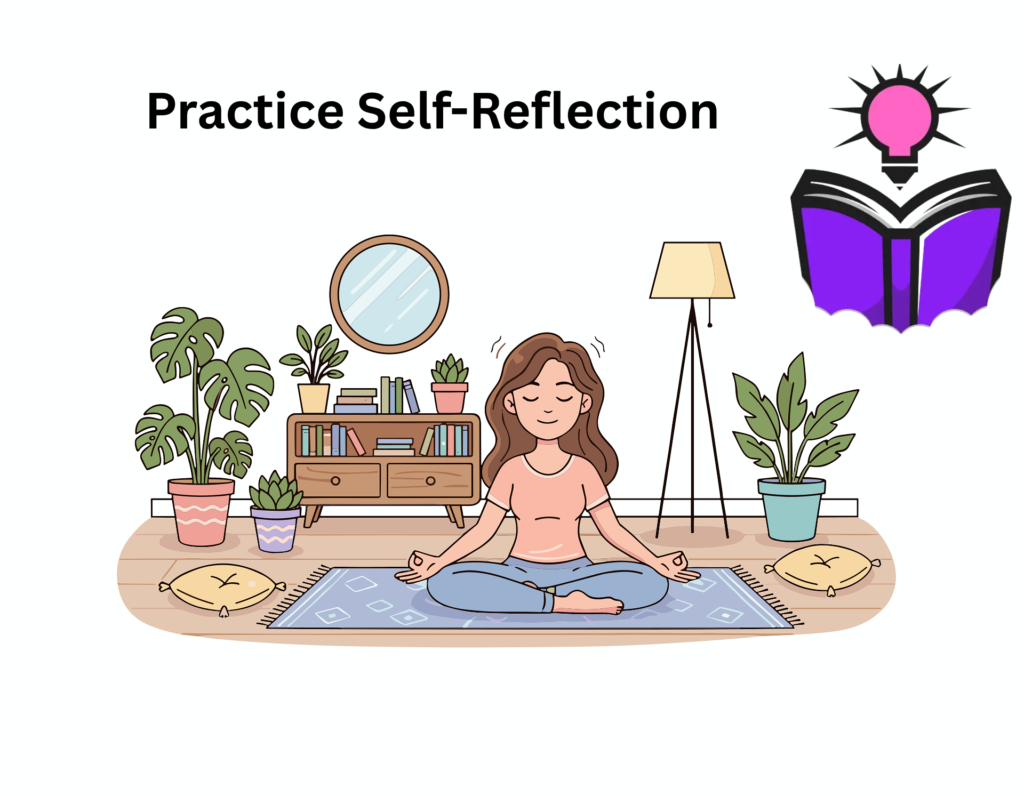
Step 9: Practice Self-Reflection
After each exam or study session, take time to reflect.
Ask yourself:
- What worked well?
- What didn’t work?
- How can I improve next time?
This helps you refine your study methods and become more efficient over time.
Remember, studying is a skill. The more you practice and adapt, the better you become.
Common Mistakes to Avoid
Even with strong strategies, there are a few pitfalls to watch out for.
One common mistake is relying too heavily on one method. While it’s important to use your strengths, combining different techniques can give you a more well-rounded understanding.
Another mistake is procrastination. Waiting until the last minute limits your ability to use effective strategies.
Finally, avoid comparing yourself to others. What works for someone else may not work for you—and that’s okay.
Final Thoughts
Studying for exams doesn’t have to be a frustrating or exhausting experience. By understanding and using your strengths, you can turn studying into a more effective and even enjoyable process.
The key is to be intentional. Instead of following generic advice, focus on what helps you learn best. Experiment with different techniques, stay consistent, and be patient with yourself.
Success in exams isn’t just about how hard you study—it’s about how smart you study. When you align your efforts with your natural abilities, you set yourself up for better results and a more confident approach to learning.
If you’d