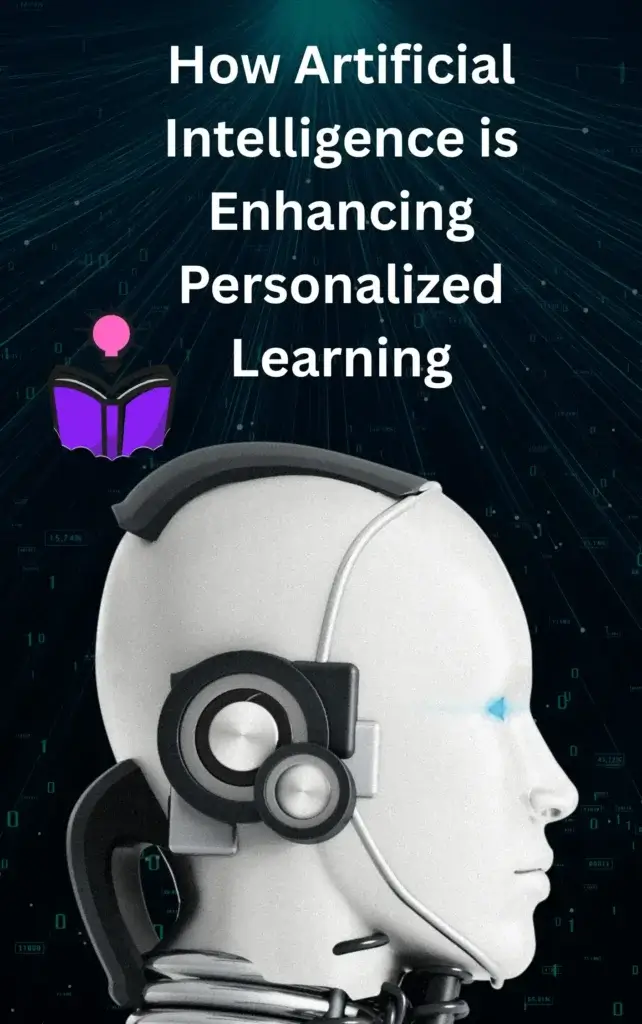
How Artificial Intelligence is Enhancing Personalized Learning
Education in the United States is undergoing a powerful transformation, driven by rapid advancements in technology. Among these innovations, artificial intelligence (AI) stands out as a game changer—reshaping how students learn, how teachers teach, and how institutions deliver education. One of the most exciting developments is the rise of personalized learning powered by AI, a model that tailors educational experiences to meet the unique needs of every learner.
Rather than relying on a one-size-fits-all approach, AI enables a dynamic and adaptive system that responds to individual progress, preferences, and challenges. This shift is not just improving academic outcomes; it is redefining what effective education looks like in the modern world.
Understanding Personalized Learning
Personalized learning is an educational approach that seeks to customize learning experiences based on each student’s strengths, weaknesses, interests, and pace. In traditional classrooms across the U.S., teachers often face the challenge of addressing diverse learning needs within limited time and resources. Some students may grasp concepts quickly, while others require more time and support.
AI bridges this gap by analyzing large amounts of data in real time and offering insights that help tailor instruction. It ensures that no student is left behind and no advanced learner is held back. This approach aligns well with the growing emphasis in American education on equity, inclusion, and student-centered learning.
The Role of Artificial Intelligence in Education
Artificial intelligence refers to computer systems designed to perform tasks that typically require human intelligence. In education, AI is used to analyze data, recognize patterns, and make decisions that enhance learning experiences.
From intelligent tutoring systems to automated grading and predictive analytics, AI is being integrated into classrooms, online platforms, and learning management systems across the United States. Its ability to process vast amounts of information quickly makes it particularly valuable in creating personalized learning paths.
AI doesn’t replace educators; instead, it empowers them. Teachers gain access to tools that provide deeper insights into student performance, enabling them to offer more targeted support and meaningful engagement.
Adaptive Learning Platforms
One of the most impactful applications of AI in personalized learning is adaptive learning technology. These platforms adjust the content, pace, and difficulty level based on a student’s progress.
For example, if a student struggles with algebra concepts, the system can provide additional practice, simplified explanations, or alternative resources. On the other hand, students who excel can move ahead without waiting for the rest of the class.
In the U.S., adaptive learning platforms are increasingly used in K-12 schools, colleges, and corporate training programs. They help educators create individualized learning experiences without requiring constant manual adjustments.
The result is a more efficient and engaging learning environment where students feel supported and challenged at the same time.
Intelligent Tutoring Systems
AI-powered tutoring systems are another major advancement in personalized education. These systems simulate one-on-one tutoring by providing instant feedback, answering questions, and guiding students through complex topics.
Unlike traditional tutoring, which may not always be accessible or affordable, AI tutors are available 24/7. This is particularly beneficial for students in remote or underserved areas of the United States, where access to educational resources can be limited.
These systems use natural language processing and machine learning to understand student inputs and provide relevant responses. Over time, they learn from each interaction, becoming more effective in addressing individual needs.
Real-Time Feedback and Assessment
Assessment is a crucial part of the learning process, but traditional methods often involve delays. Students may wait days or even weeks to receive feedback on assignments or tests. AI changes this by providing real-time assessment and feedback.
As students complete tasks, AI systems analyze their responses and offer immediate insights. This allows learners to identify mistakes, understand concepts more clearly, and improve performance on the spot.
In the U.S., where standardized testing and performance metrics play a significant role, real-time feedback helps students stay on track and reduces anxiety associated with high-stakes exams.
Teachers also benefit by gaining access to detailed analytics that highlight trends, strengths, and areas needing improvement. This data-driven approach leads to more informed instructional decisions.
Data-Driven Insights for Educators
AI doesn’t just support students—it provides valuable tools for educators as well. By analyzing student data, AI systems can identify patterns that might not be immediately visible.
For instance, a teacher may discover that a group of students consistently struggles with a particular concept. With this insight, they can adjust their teaching strategy, provide additional resources, or revisit the topic in a different way.
In the United States, where classrooms are often diverse in terms of learning styles and backgrounds, such insights are incredibly valuable. They help educators create inclusive learning environments that cater to all students.
Additionally, predictive analytics can identify students at risk of falling behind, allowing for early intervention. This proactive approach improves retention rates and overall academic success.
Enhancing Student Engagement
Engagement is a key factor in effective learning, and AI plays a significant role in keeping students motivated. Personalized content, interactive experiences, and gamified learning environments make education more enjoyable.
AI can recommend content based on a student’s interests, making lessons more relevant and engaging. For example, a student interested in sports might receive math problems related to game statistics, while another interested in music might explore concepts through rhythm and patterns.
In the U.S., where digital learning tools are widely used, this level of customization helps capture student attention and encourages active participation.
Gamification elements such as rewards, progress tracking, and challenges further enhance motivation. Students are more likely to stay engaged when they can see their progress and achievements in real time.
Supporting Diverse Learning Needs
The American education system serves a diverse population, including students with varying abilities, learning disabilities, and language backgrounds. AI plays a crucial role in addressing these diverse needs.
For students with learning disabilities, AI tools can provide customized support such as text-to-speech, speech-to-text, and simplified instructions. English language learners can benefit from real-time translation and language assistance.
AI also helps create inclusive classrooms by adapting content to suit different learning styles—visual, auditory, or kinesthetic. This ensures that every student has an equal opportunity to succeed.
By removing barriers to learning, AI contributes to a more equitable education system in the United States.
Personalized Learning in Higher Education
Colleges and universities across the U.S. are also embracing AI-driven personalized learning. From online courses to hybrid learning models, institutions are using AI to enhance student experiences.
AI can recommend courses, suggest study materials, and even guide students in choosing career paths based on their interests and performance. This level of personalization helps students make informed decisions about their education and future.
In large lecture halls, where individual attention can be limited, AI tools provide an additional layer of support. Students can access personalized resources and feedback outside the classroom, improving their overall learning experience.
Workforce Training and Lifelong Learning
Beyond traditional education, AI is transforming workforce training and lifelong learning in the United States. As industries evolve, employees must continuously update their skills to remain competitive.
AI-powered learning platforms provide personalized training programs tailored to individual roles, skill levels, and career goals. This ensures that employees receive relevant and effective training.
Companies across the U.S. are investing in AI-driven learning solutions to improve productivity and employee satisfaction. Workers can learn at their own pace, focusing on areas that matter most to their professional growth.
This shift supports a culture of continuous learning, which is essential in today’s rapidly changing job market.
Challenges and Considerations
While AI offers numerous benefits, it also presents challenges that must be addressed. Data privacy is a major concern, especially when dealing with sensitive student information. Schools and institutions must ensure that data is securely stored and used responsibly.
There is also the issue of accessibility. Not all students in the United States have equal access to technology and internet connectivity. Bridging this digital divide is essential to ensure that the benefits of AI-driven personalized learning are available to everyone.
Additionally, there is a need for proper training and support for educators. Teachers must be equipped with the skills to effectively use AI tools and integrate them into their teaching practices.
Despite these challenges, the potential of AI in education far outweighs the risks when implemented thoughtfully and responsibly.
The Future of Personalized Learning
The future of education in the United States is closely tied to the continued advancement of artificial intelligence. As technology evolves, AI systems will become even more sophisticated, offering deeper insights and more precise personalization.
We can expect to see greater integration of AI with emerging technologies such as virtual reality and augmented reality, creating immersive learning experiences. Students may soon be able to explore historical events, conduct virtual science experiments, or practice real-world skills in simulated environments.
AI will also play a key role in bridging gaps in education, providing quality learning opportunities to students regardless of location or socioeconomic status.
As schools, colleges, and organizations continue to adopt AI-driven solutions, personalized learning will become the standard rather than the exception.
Conclusion
Artificial intelligence is revolutionizing personalized learning by making education more adaptive, engaging, and inclusive. In the United States, where the demand for innovative and effective education is constantly growing, AI offers a powerful solution.
By tailoring learning experiences to individual needs, providing real-time feedback, and supporting educators with data-driven insights, AI is transforming the way students learn and succeed.
While challenges remain, the potential benefits are immense. With thoughtful implementation and a focus on equity and accessibility, AI has the power to create a more effective and inclusive education system for all.
The journey toward personalized learning is just beginning, but one thing is clear: artificial intelligence is not just enhancing education—it is redefining it for the future.