
How to Choose the Right Online Course for Your Learning Style
Online learning has transformed education in the United States. From working professionals upgrading their skills to college students supplementing classroom learning, online courses offer flexibility, accessibility, and endless options. But with thousands of platforms and millions of courses available, choosing the right online course can feel overwhelming.
The truth is, not every online course works for every learner. Your success depends largely on how well the course matches your learning style, schedule, goals, and personal preferences. Understanding how you learn best—and how to evaluate online courses accordingly—can save you time, money, and frustration.
This guide will walk you through how to choose the right online course for your learning style, helping you make smarter decisions and get real value from your learning experience.

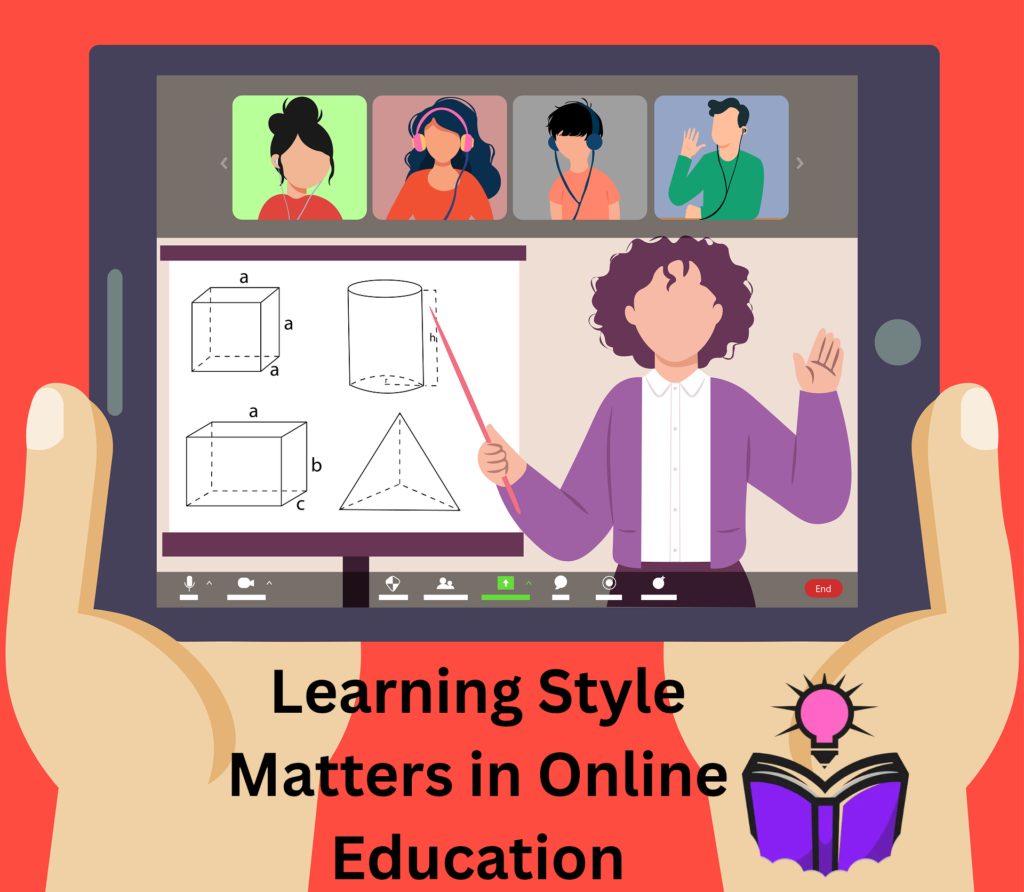
Why Learning Style Matters in Online Education
Online courses are not one-size-fits-all. Some learners thrive in self-paced environments, while others struggle without structure. Some prefer videos and visuals, while others absorb information better through reading or hands-on practice.
When your learning style aligns with the way a course is designed, you’re more likely to stay motivated, complete the course, and actually retain what you learn. On the other hand, a mismatch can lead to procrastination, disengagement, or quitting halfway through.
For U.S. learners juggling work, family, and other responsibilities, choosing a course that fits naturally into their lifestyle is especially important.
Understanding the Most Common Learning Styles
Before choosing an online course, it’s helpful to understand the major learning styles. While most people use a combination of styles, many have a dominant preference.
Visual Learners
Visual learners absorb information best through images, charts, diagrams, infographics, and videos. They prefer seeing concepts rather than just reading or hearing about them.
If you’re a visual learner, long blocks of text without visuals may feel exhausting. You’re more likely to stay engaged when content includes slides, demonstrations, color-coded notes, and visual summaries.
Auditory Learners
Auditory learners learn best by listening. They understand information more easily through lectures, discussions, podcasts, or verbal explanations.
If you remember things better when you hear them spoken out loud or enjoy explaining ideas verbally, audio-heavy courses may suit you best.
Reading and Writing Learners
These learners prefer text-based information. They learn effectively through reading articles, textbooks, manuals, and by taking detailed notes or writing summaries.
If you enjoy reading instructions carefully, reviewing written materials, and organizing ideas through writing, text-rich online courses may be ideal for you.
Kinesthetic Learners
Kinesthetic learners learn by doing. They prefer hands-on activities, real-world practice, experiments, and interactive exercises.
If you struggle to stay focused while watching lectures and prefer applying concepts immediately, courses with projects, simulations, and practical assignments are a better fit.
Identifying Your Personal Learning Preferences
You don’t need a formal assessment to understand how you learn best. Reflecting on your past experiences can reveal a lot.
Think about classes or training programs you enjoyed and succeeded in. Did you prefer instructors who used slides and visuals? Did discussions help you understand better? Did you learn more by completing projects or practicing skills?
Also consider how you naturally study. Do you watch tutorial videos, read guides, listen to podcasts, or experiment on your own? Your habits are strong indicators of your learning style.
For many U.S. learners, time constraints also influence preferences. If you’re balancing a full-time job, you may prefer shorter lessons you can complete in small chunks rather than long lectures.
Matching Online Course Formats to Your Learning Style
Once you understand how you learn best, the next step is evaluating online course formats.
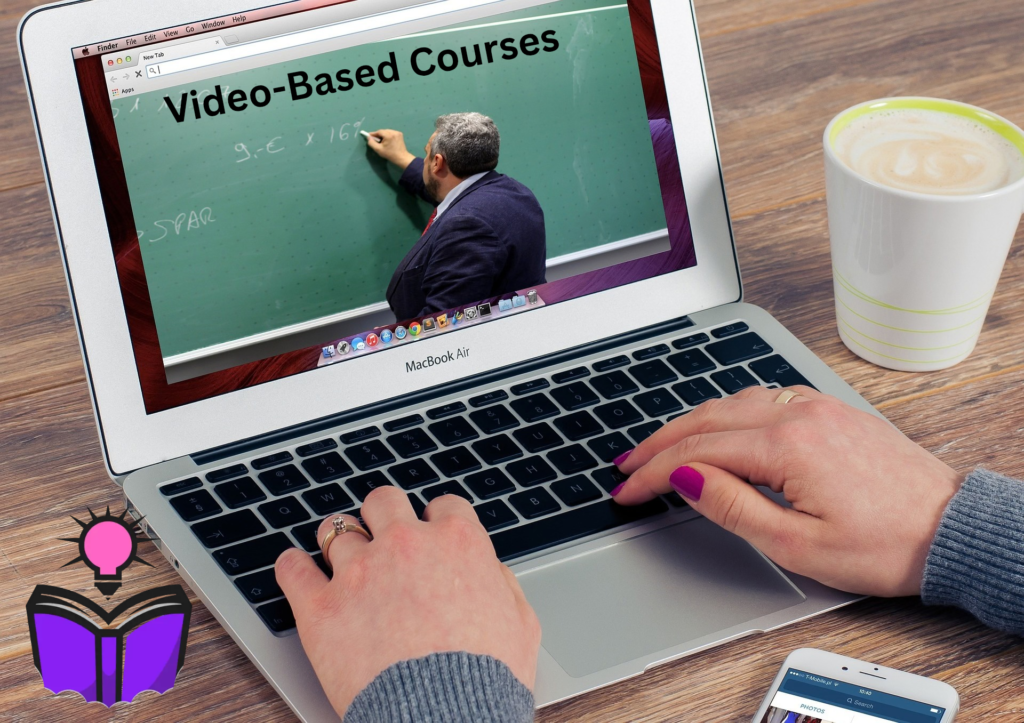
Video-Based Courses
Video-based courses are popular across the U.S. and work especially well for visual and auditory learners. These courses often include recorded lectures, screen-sharing demonstrations, and instructor explanations.
Look for courses that use clear visuals, engaging presenters, and well-structured lessons. Courses with captions are especially helpful, allowing you to both see and read the content.
Text-Based Courses
Text-heavy courses rely on articles, PDFs, reading assignments, and written instructions. These are ideal for reading and writing learners who prefer moving at their own pace.
If you choose a text-based course, make sure the content is well-organized, easy to navigate, and broken into manageable sections. Poorly formatted text can quickly become overwhelming.
Interactive and Project-Based Courses
Courses that emphasize projects, quizzes, simulations, or real-world tasks are perfect for kinesthetic learners. These courses focus on application rather than passive learning.
In the U.S. job market, project-based courses are especially valuable because they often help you build a portfolio or demonstrate practical skills to employers.
Live Online Classes
Some online courses include live sessions, group discussions, or instructor-led webinars. These formats work well for auditory learners and those who benefit from accountability and interaction.
If you enjoy asking questions in real time or learning through conversation, live classes can make online learning feel more engaging and structured.
Considering Your Schedule and Learning Pace
Your learning style isn’t just about content—it’s also about time management.
Many U.S. learners choose online courses because of flexibility, but not all courses offer the same level of freedom.
Self-paced courses allow you to start anytime and move through lessons at your own speed. These are ideal if you have an unpredictable schedule or prefer learning independently.
Instructor-led or cohort-based courses follow a fixed schedule with deadlines. While less flexible, they provide structure, motivation, and accountability, which some learners need to stay on track.
Be honest with yourself. If you’ve struggled to finish self-paced courses in the past, a more structured option may be worth considering.
Evaluating Course Content and Teaching Style
A course’s success depends heavily on how well the instructor communicates and organizes material.
Look for courses that clearly outline learning objectives, explain what skills you’ll gain, and provide examples of lessons or sample content. A well-designed course should guide you step by step, not leave you guessing what to do next.
Pay attention to the instructor’s teaching style. Some instructors are energetic and conversational, while others are more formal and lecture-focused. Choose a style that keeps you interested rather than bored.
For U.S. learners, it’s also helpful when instructors use relatable examples, real-world applications, or industry-specific scenarios that align with American workplaces and culture.
The Role of Engagement and Motivation
Even the best-designed course won’t help if you lose interest halfway through. Engagement is key to online learning success.
Courses that include quizzes, exercises, progress tracking, or feedback help maintain motivation. These elements give you a sense of progress and accomplishment.
Community features, such as discussion boards or group activities, can also boost engagement. Interacting with other learners makes the experience feel less isolating and more collaborative.
If you tend to procrastinate, look for courses that encourage regular participation rather than passive consumption.
Understanding Certification and Career Value
Many learners in the United States choose online courses for career advancement, skill-building, or job transitions. In these cases, certification can matter.
Before enrolling, clarify your goal. Are you learning for personal interest, professional development, or career change? If career-related, ensure the course provides tangible outcomes such as certificates, projects, or recognized credentials.
While not all certificates carry equal weight, completing a well-structured course can demonstrate commitment and skill development to employers.
Avoiding Common Mistakes When Choosing Online Courses
One of the most common mistakes is choosing a course based solely on popularity or price. A highly rated course may still be a poor fit for your learning style.
Another mistake is underestimating time commitment. Many learners enroll with good intentions but struggle to keep up because they didn’t realistically assess their schedule.
It’s also easy to fall for vague promises. Courses that guarantee instant success or mastery without effort often disappoint. Effective learning requires time, practice, and engagement.
Taking a few extra minutes to evaluate whether a course truly fits your needs can prevent wasted effort later.
How to Test If a Course Is Right for You
Whenever possible, preview the course before committing. Many platforms offer introductory lessons, previews, or sample videos.
Use this opportunity to assess whether the teaching style, pacing, and format resonate with you. Ask yourself if you feel curious and motivated to continue.
Trust your instincts. If the course feels confusing or uninteresting from the start, it’s unlikely to improve over time.
Adapting Your Learning Style Over Time
While learning styles are helpful guides, they aren’t rigid labels. Many successful learners develop flexibility by combining multiple approaches.
For example, a visual learner may benefit from taking written notes, while a kinesthetic learner may enhance understanding by teaching concepts to others.
Online learning offers the freedom to experiment. Over time, you may discover new methods that improve your focus and retention.
Why Choosing the Right Course Is an Investment in Yourself
Choosing the right online course isn’t just about convenience—it’s about respecting your time, energy, and goals.
For learners across the United States, online education opens doors to new careers, personal growth, and lifelong learning. When you choose a course aligned with your learning style, you increase your chances of success and enjoyment.
The right course won’t just teach you information. It will build confidence, spark curiosity, and encourage you to keep learning long after the final lesson.
Final Thoughts
Online learning has never been more accessible, but accessibility doesn’t guarantee effectiveness. The key to meaningful learning lies in choosing courses that match how you learn best.
By understanding your learning style, evaluating course formats, considering your schedule, and focusing on engagement, you can make smarter decisions and get real value from online education.
Whether you’re upgrading skills, exploring a new interest, or pursuing career growth, the right online course can be a powerful tool. Choose wisely, stay curious, and make learning work for you.