The Role of Social Media in Education: Transforming Learning in the Digital Age
In today’s interconnected world, social media has become more than just a platform for sharing photos or staying in touch with friends—it has evolved into a powerful tool that influences how people communicate, collaborate, and learn. In the United States especially, where digital access and technological adoption are widespread, social media is playing an increasingly significant role in shaping modern education.
From K–12 classrooms to higher education institutions and professional development spaces, social media platforms are redefining traditional learning environments. They offer opportunities for real-time interaction, global collaboration, and personalized learning experiences. However, alongside these benefits come challenges that educators, students, and policymakers must address to ensure that social media enhances rather than hinders educational outcomes.
This article explores how social media is impacting education in the U.S., highlighting its benefits, challenges, and future potential.
The Evolution of Learning in the Digital Era
Education has undergone a dramatic transformation over the past two decades. Traditional classrooms, once limited to textbooks and lectures, are now supplemented with digital tools that make learning more interactive and accessible. Social media is a key driver of this transformation.
Platforms like Facebook, Twitter (now X), Instagram, YouTube, and TikTok have moved beyond social interaction to become hubs for information sharing and informal education. Students today are not just passive consumers of knowledge; they are active participants who create, share, and discuss content.
In the United States, where digital literacy is increasingly emphasized, integrating social media into education aligns with the skills students need for the modern workforce—communication, collaboration, critical thinking, and digital fluency.
Enhancing Student Engagement
One of the most notable benefits of social media in education is its ability to boost student engagement. Traditional teaching methods can sometimes struggle to capture the attention of digitally native students. Social media, however, meets students where they already spend much of their time.
Teachers can use platforms to share multimedia content, initiate discussions, and create interactive assignments. For example, a history teacher might encourage students to create short video summaries of historical events, while a science instructor could use discussion threads to explore complex topics.
This approach not only makes learning more engaging but also helps students develop communication skills and confidence. When students feel that their voices are heard and valued, they are more likely to participate actively in the learning process.
Facilitating Collaboration and Communication
Social media breaks down the barriers of time and space, allowing students and educators to connect beyond the classroom. In the U.S., where classrooms often include diverse groups of students, these platforms enable meaningful collaboration.
Students can work together on group projects using private groups or messaging tools. They can share resources, provide feedback, and brainstorm ideas in real time. This collaborative environment mirrors the modern workplace, where teamwork and digital communication are essential.
Educators also benefit from social media by connecting with peers across the country. They can exchange teaching strategies, share lesson plans, and participate in professional learning communities. This continuous exchange of ideas contributes to improved teaching practices and better student outcomes.
Access to a Wealth of Information
Social media provides students with access to an unprecedented amount of information. Educational content is no longer confined to textbooks or classroom lectures. Instead, students can explore a wide range of perspectives and resources online.
Video tutorials, live streams, podcasts, and educational posts allow learners to deepen their understanding of subjects at their own pace. This is particularly valuable in the U.S., where educational standards vary across states and districts. Social media helps bridge these gaps by providing supplementary learning opportunities.
Moreover, students can follow experts, educators, and organizations that share valuable insights and updates. This exposure helps them stay informed about current events, emerging trends, and real-world applications of their studies.
Supporting Personalized Learning
Every student learns differently, and social media supports personalized learning by offering diverse content formats and learning pathways. Some students prefer visual content, while others benefit from written explanations or interactive discussions.
Social media platforms allow students to choose the type of content that works best for them. They can revisit materials, explore related topics, and engage with communities that share their interests. This flexibility empowers students to take control of their learning journey.
In the U.S., where personalized learning is becoming a key focus in education reform, social media can play a crucial role in meeting individual student needs. It enables educators to tailor instruction and provide targeted support.
Encouraging Digital Literacy
As social media becomes an integral part of education, it also serves as a platform for teaching digital literacy. Students must learn how to navigate online spaces responsibly, evaluate information critically, and communicate effectively.
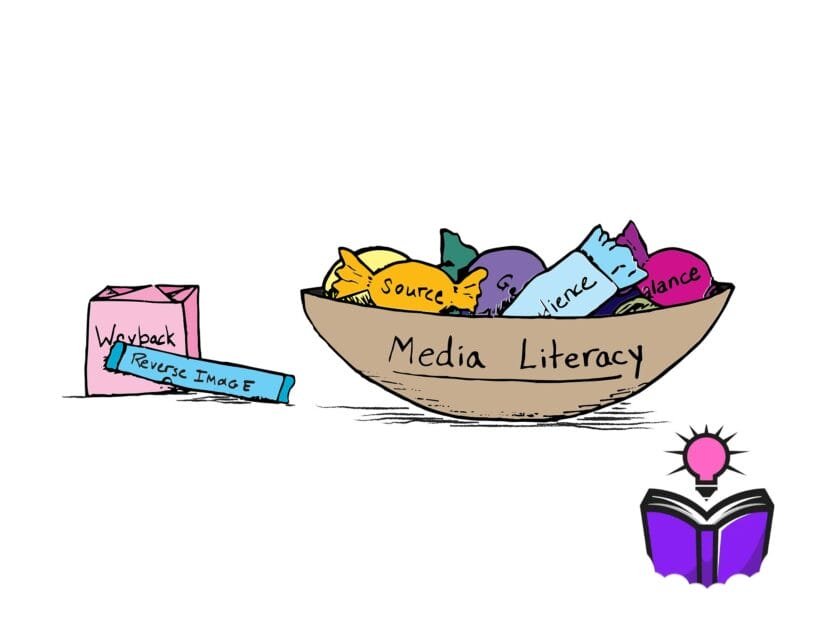
Digital literacy includes understanding how algorithms work, recognizing misinformation, and maintaining online privacy. These skills are essential in today’s information-rich environment, where not all content is accurate or reliable.
Educators in the United States are increasingly incorporating digital citizenship into their curricula. By using social media in a guided and structured way, they can teach students how to use these platforms responsibly and ethically.
Challenges and Concerns
Despite its many benefits, the use of social media in education also presents challenges that cannot be ignored.
Distraction and Time Management
One of the most common concerns is that social media can be distracting. Students may find it difficult to focus on academic tasks when they are constantly exposed to notifications and entertainment content.
Balancing educational use with personal use requires discipline and effective time management. Educators and parents must work together to establish boundaries and encourage responsible usage.
Misinformation and Credibility
Not all information on social media is accurate. The spread of misinformation can lead to confusion and misunderstandings, particularly among younger students who may not have fully developed critical thinking skills.
Teaching students how to evaluate sources and verify information is essential. This includes understanding the difference between credible and unreliable content.
Privacy and Security
Privacy is another significant concern. Sharing personal information online can expose students to risks such as cyberbullying, identity theft, and data breaches.
Schools in the U.S. must comply with regulations such as FERPA (Family Educational Rights and Privacy Act) to protect student information. Educators should also educate students about safe online practices.
Equity and Access
While many students in the United States have access to digital devices and the internet, there are still disparities. Not all students have equal access to technology, which can create gaps in learning opportunities.
Addressing this digital divide is crucial to ensuring that social media integration in education is inclusive and equitable.
The Role of Educators
Teachers play a critical role in integrating social media into education effectively. Their guidance ensures that these tools are used in a way that enhances learning rather than detracts from it.
Educators must carefully select platforms and design activities that align with learning objectives. They should establish clear guidelines for usage and monitor student interactions to maintain a safe and respectful environment.
Professional development is also important. Teachers need training and support to stay updated on digital tools and best practices. In the U.S., many schools and districts are investing in training programs to help educators adapt to the digital landscape.
The Future of Social Media in Education
As technology continues to evolve, the role of social media in education is likely to expand. Emerging trends such as artificial intelligence, virtual reality, and augmented reality are already beginning to influence how social media platforms function.
In the future, we may see more immersive and interactive learning experiences that combine social media with advanced technologies. For example, virtual classrooms could allow students from different parts of the country—or even the world—to collaborate in real time.
Additionally, data analytics could provide insights into student behavior and learning patterns, enabling more personalized and effective instruction.
Best Practices for Using Social Media in Education
To maximize the benefits of social media while minimizing its risks, educators and students should follow best practices:
- Set clear goals for using social media in learning.
- Use platforms that are appropriate for educational purposes.
- Establish guidelines for respectful and responsible behavior.
- Encourage critical thinking and fact-checking.
- Protect privacy by avoiding the sharing of sensitive information.
- Balance online activities with offline learning.
While these practices may seem straightforward, their consistent application is key to successful integration.
Conclusion
Social media has become a powerful force in modern education, particularly in the United States, where digital innovation continues to shape learning environments. It offers numerous benefits, including increased engagement, enhanced collaboration, access to diverse resources, and support for personalized learning.
However, its use also comes with challenges that require careful management. Issues such as distraction, misinformation, privacy, and access must be addressed to ensure that social media contributes positively to education.
Ultimately, the role of social media in education is not about replacing traditional methods but enhancing them. When used thoughtfully and responsibly, social media can be a valuable tool that prepares students for the demands of the digital age.
As educators, students, and policymakers continue to navigate this evolving landscape, one thing is clear: social media is not just a trend—it is an integral part of the future of education.