Why Hands-On Learning Is Key to the Future of Education
Education in the United States is undergoing a significant transformation. Traditional teaching methods—centered on lectures, textbooks, and standardized testing—are increasingly being challenged by a more dynamic, student-centered approach: hands-on learning. As industries evolve, technology advances, and the demands of the workforce shift, educators and policymakers are recognizing that passive learning is no longer enough. Students need to actively engage with material, apply knowledge in real-world contexts, and develop practical skills that prepare them for life beyond the classroom.
Hands-on learning, also known as experiential or active learning, is emerging as a cornerstone of modern education. It prioritizes doing over memorizing, encouraging students to explore, experiment, and solve problems in meaningful ways. For students across the United States—from elementary school to higher education—this approach is not just beneficial; it is essential for future success.
Understanding Hands-On Learning
At its core, hands-on learning is an educational approach that allows students to learn by actively participating in experiences. Instead of simply listening to a lecture about a concept, students engage directly with the subject matter. This could involve conducting science experiments, building models, participating in simulations, or working on real-world projects.
This approach taps into multiple senses and learning styles, making education more inclusive and effective. Students are not just passive recipients of information; they become active participants in their own learning journey. This shift fundamentally changes how knowledge is acquired and retained.
In classrooms across the United States, hands-on learning is taking many forms. STEM labs, project-based assignments, internships, maker spaces, and collaborative group work are becoming increasingly common. These experiences help bridge the gap between theory and practice, making learning more relevant and engaging.
Why Traditional Methods Are Falling Short
For decades, the American education system has relied heavily on standardized testing and rote memorization. While these methods can measure certain types of knowledge, they often fail to capture a student’s ability to think critically, solve problems, or apply what they have learned in real-life situations.
Many students find traditional classrooms disengaging. Sitting through long lectures or memorizing information for tests does not always foster a deep understanding of the material. As a result, students may struggle to retain knowledge or see its relevance outside of school.
Additionally, the modern workforce demands skills that go beyond academic knowledge. Employers are looking for individuals who can collaborate, think creatively, adapt to change, and solve complex problems. These are not skills that can be easily developed through passive learning alone.
Hands-on learning addresses these gaps by providing opportunities for students to practice and develop these essential skills in meaningful ways.
The Science Behind Active Learning
Research in cognitive science and education consistently shows that people learn better when they are actively involved in the process. When students engage in hands-on activities, they are more likely to understand and remember what they have learned.
Active learning stimulates deeper cognitive processing. Instead of simply memorizing facts, students analyze, evaluate, and apply information. This leads to stronger neural connections and improved long-term retention.
Moreover, hands-on learning often involves collaboration and discussion, which further enhances understanding. When students explain concepts to others or work together to solve problems, they reinforce their own knowledge and gain new perspectives.
In the United States, where classrooms are increasingly diverse, this approach also supports different learning styles. Whether a student learns best through visual, auditory, or kinesthetic methods, hands-on learning provides multiple pathways to understanding.
Building Critical Thinking and Problem-Solving Skills
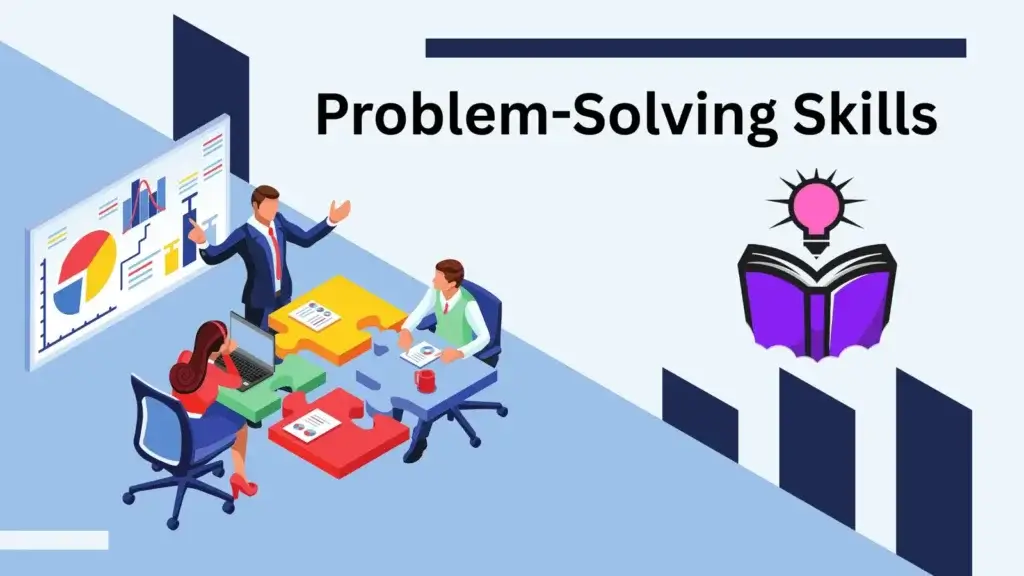
One of the most significant advantages of hands-on learning is its ability to develop critical thinking and problem-solving skills. In a rapidly changing world, these skills are more important than ever.
When students engage in hands-on activities, they are often faced with challenges that do not have clear, predefined answers. They must analyze situations, consider different possibilities, and make decisions based on evidence. This process encourages independent thinking and resilience.
For example, a student working on a science project may need to design an experiment, troubleshoot issues, and interpret results. This experience mirrors real-world problem-solving and helps students build confidence in their abilities.
In the United States, where innovation drives economic growth, fostering these skills is essential. Hands-on learning prepares students to think creatively and tackle complex challenges, making them valuable contributors to society.
Preparing Students for the Modern Workforce
The nature of work is changing rapidly. Automation, artificial intelligence, and globalization are reshaping industries and creating new opportunities. To succeed in this environment, students need more than just academic knowledge; they need practical skills and real-world experience.
Hands-on learning plays a crucial role in workforce preparation. By engaging in internships, apprenticeships, and project-based learning, students gain firsthand experience in their fields of interest. They learn how to apply their knowledge in professional settings, collaborate with others, and adapt to new challenges.
Employers in the United States are increasingly valuing these experiences. Candidates who have participated in hands-on learning opportunities often stand out because they can demonstrate their skills and provide concrete examples of their abilities.
This approach also helps students make more informed career choices. By exploring different fields through hands-on experiences, they can identify their interests and strengths, leading to more fulfilling and successful careers.
Enhancing Student Engagement and Motivation
One of the biggest challenges in education is keeping students engaged and motivated. Traditional teaching methods can sometimes lead to boredom and disengagement, especially when students do not see the relevance of what they are learning.
Hands-on learning addresses this issue by making education more interactive and meaningful. When students are actively involved in their learning, they are more likely to stay interested and motivated.
For example, a history lesson that involves reenacting historical events or analyzing primary sources can be far more engaging than simply reading a textbook. Similarly, a math lesson that involves solving real-world problems can help students see the practical applications of what they are learning.
In classrooms across the United States, teachers are finding that hands-on learning not only improves academic performance but also fosters a love of learning. Students become more curious, ask more questions, and take greater ownership of their education.
Supporting Social and Emotional Development
Education is not just about academic achievement; it is also about personal growth. Hands-on learning supports social and emotional development by encouraging collaboration, communication, and self-reflection.
When students work together on projects, they learn how to communicate effectively, resolve conflicts, and appreciate different perspectives. These skills are essential for building strong relationships and succeeding in both personal and professional settings.
Hands-on learning also helps students develop resilience and confidence. When they face challenges and overcome obstacles, they gain a sense of accomplishment and belief in their abilities.
In the United States, where mental health and well-being are increasingly important topics in education, this approach provides valuable support. By creating a more engaging and supportive learning environment, hands-on learning can contribute to improved student well-being.

Bridging the Gap Between Education and Real Life
One of the key criticisms of traditional education is that it often feels disconnected from real life. Students may struggle to see how what they are learning applies to their everyday experiences or future goals.
Hands-on learning bridges this gap by connecting education to real-world contexts. Whether it is through community projects, simulations, or practical applications, students can see the relevance of their learning.
For example, a class project that involves designing a sustainable solution for a local issue allows students to apply their knowledge while making a positive impact in their community. This not only enhances learning but also fosters a sense of responsibility and civic engagement.
In the United States, where education plays a crucial role in shaping informed and active citizens, this connection is particularly important. Hands-on learning helps students understand their role in society and empowers them to make a difference.
The Role of Technology in Hands-On Learning
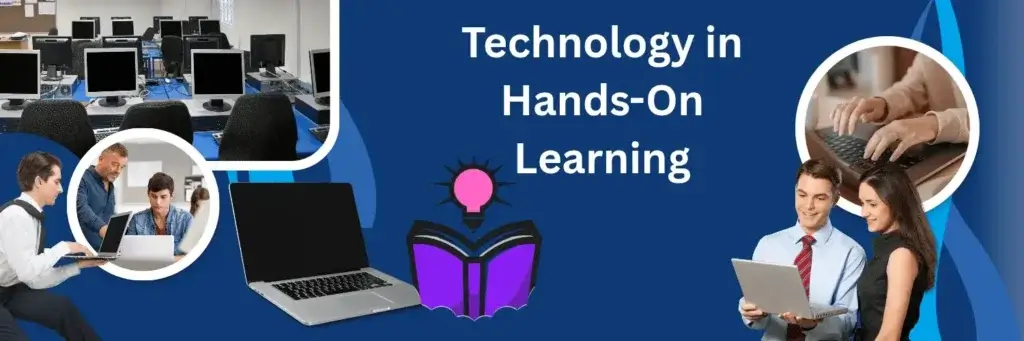
Technology is playing an increasingly important role in education, and it is enhancing the possibilities for hands-on learning. Digital tools, virtual simulations, and interactive platforms are providing new ways for students to engage with material.
For example, virtual labs allow students to conduct experiments that may not be feasible in a traditional classroom. Augmented and virtual reality can bring complex concepts to life, providing immersive learning experiences.
In the United States, where access to technology varies, schools are working to integrate these tools in ways that enhance learning while ensuring equity. When used effectively, technology can complement hands-on learning and provide additional opportunities for exploration and creativity.
However, it is important to strike a balance. Hands-on learning is not just about using technology; it is about active engagement. The goal is to use technology as a tool to enhance, rather than replace, meaningful learning experiences.
Challenges and Considerations
While hands-on learning offers many benefits, it also comes with challenges. Implementing this approach requires time, resources, and support for educators.
Teachers need training and professional development to design and facilitate effective hands-on learning experiences. Schools may need to invest in materials, equipment, and infrastructure. Additionally, assessing student performance in hands-on learning environments can be more complex than traditional testing.
In the United States, where education systems vary widely by state and district, these challenges can be particularly pronounced. However, many schools and organizations are finding innovative ways to overcome these obstacles.
Collaboration between educators, policymakers, and communities is essential. By working together, they can create environments that support hands-on learning and ensure that all students have access to these opportunities.
The Future of Education in the United States
As the world continues to change, the need for effective and relevant education becomes increasingly important. Hands-on learning is not just a trend; it is a fundamental shift in how we think about education.
In the United States, there is growing recognition of the importance of this approach. Schools, colleges, and universities are incorporating more experiential learning opportunities into their programs. Employers are emphasizing the value of practical skills and real-world experience.
This shift is also influencing education policy and reform. There is a greater focus on developing well-rounded students who are prepared for the challenges of the future. Hands-on learning is a key component of this vision.
Looking ahead, the integration of hands-on learning is likely to continue expanding. As educators and institutions adapt to changing needs, this approach will play a central role in shaping the future of education.
Conclusion
Hands-on learning is transforming education in the United States by making it more engaging, relevant, and effective. By moving beyond traditional methods and embracing active, experiential approaches, educators are better preparing students for the complexities of the modern world.
This approach not only enhances academic achievement but also develops critical life skills such as problem-solving, collaboration, and adaptability. It bridges the gap between theory and practice, helping students see the value of their education and apply it in meaningful ways.
As the future of work and society continues to evolve, the importance of hands-on learning will only grow. By investing in this approach and supporting educators and students, the United States can create a more dynamic and effective education system—one that empowers learners to succeed and thrive in an ever-changing world.